Where to stay
Where to stay in Malacca: a guide to the areas and best places to sleep
We may earn a commission when you book through links on this page, at no extra cost to you. We don't visit or try the places we cover: we summarize published sources. How we work
In short
- Stay in Chinatown and Jonker Street: everything is on foot, and this is where the Peranakan boutique hotels are.
- Dutch Square puts you at the foot of the monuments; modern hotels at Mahkota Parade or Jalan Merdeka offer pools and lower weekday prices.
- Boutique hotels in Peranakan houses cost about €60-150 a night (about $70-175); dorms start at €12-25 (about $14-29).
- Book early for weekends: Jonker Walk night market runs Friday to Sunday, and weekday rates are often 20 to 40% lower.
Malacca (Melaka in Malay) is one of the most history-laden cities in all of Southeast Asia. Listed as a UNESCO World Heritage site in 2008 together with George Town (Penang), this former port city was successively dominated by the Malay sultanates, the Portuguese (from 1511), the Dutch (from 1641) and then the British (from 1824). Each empire left its architectural, cultural and culinary mark, making Malacca a fascinating open-air museum. Here is how to choose your accommodation to make the most of this exceptional city.
In short: to stay in Malacca, choose Chinatown and Jonker Street: everything is on foot, and this is where the boutique hotels in Peranakan houses are. Dutch Square suits you if you want to be at the foot of the monuments, and the modern hotels at Mahkota Parade or Jalan Merdeka are good for a pool and lower weekday prices.
Chinatown and Jonker Street: the historic heart
The Chinatown area, on both sides of the Malacca River, is the accommodation area most favored by travelers. Jonker Street (Jalan Hang Jebat) is its main artery: a cobbled street of antique shops, art galleries, restaurants and cafés set in magnificent Sino-Portuguese shophouses painted red, orange or yellow.
Along the Malacca River (Sungai Melaka), lit-up tourist boats glide every evening between the colorful banks. The boat ride (River Cruise) is one of the most popular activities, especially at sunset.
This area has the vast majority of the Peranakan houses renovated into boutique hotels. Baba-Nyonya (Peranakan) culture, a Chinese-Malay blend born from marriages between Chinese merchants and Malay women in the 15th and 16th centuries, is everywhere: original encaustic tiles, dark wood furniture, open-air inner courtyards, and a truly delicious cuisine (Nyonya cuisine).
Why choose Chinatown
- Walking distance to Dutch Square (the Red Square), Christ Church, the Stadthuys and Jonker Walk
- The densest concentration of charming boutique hotels
- A unique nighttime atmosphere from Friday to Sunday with the Jonker Walk Night Market
- Nyonya restaurants, hawker centers and cafés within walking distance
Types of accommodation in Chinatown
Peranakan boutique hotels: Restored shophouses, usually with 6 to 20 rooms, with particular care given to the decor. Original tiles, period furniture, ceramics. This is the most authentic choice for staying in Malacca.
Family-run guesthouses: Simpler places, often run by families, offering private rooms and sometimes dorms. A warm atmosphere and good advice from the hosts.
Hostels: A few well-located hostels offer dorms from €12-20 (about $14-23) and private rooms at €25-45 (about $29-52).
Price ranges in Chinatown:
- Dorms: €12-25 (~$14-29) per night
- Basic guesthouses: €25-55 (~$29-64)
- Peranakan boutique hotels: €60-150 (~$70-175)
- 4-star hotels: €80-180 (~$93-210)
Hotels in Malacca Chinatown
Compare Peranakan boutique hotels, guesthouses and hotels in the UNESCO-listed historic quarter.
Dutch Square and the Portuguese center: at the foot of the monuments
The area around Dutch Square (the Red Square, Stadthuys) is Malacca’s other leading area. The most emblematic monuments are concentrated here: the Stadthuys (the former Dutch governor’s house, now a museum), Christ Church (a Dutch church completed in 1753, converted to an Anglican church in 1838), the Queen Victoria Fountain and the trishaws decorated with artificial flowers and figurines that delight photographers.
Nearby is Bukit St Paul (St Paul’s Hill), a hill where the Portuguese built their A Famosa fortress in 1511, of which only the entrance gate (Porta de Santiago) and the ruins of St Paul’s Church remain today. The view from the top over the city and the Strait of Malacca is magnificent.
Accommodation around Dutch Square
Places directly on the Red Square or in its immediate vicinity are fewer than in Chinatown, but a few hotels occupy former Dutch colonial buildings. Prices there are slightly higher because of the prime location. Expect €80-200 (about $93-230) for a boutique hotel with a view of the monuments.
The advantage is obvious: you are 2 minutes’ walk from the Stadthuys and Christ Church, and St Paul’s Hill is a 10-minute walk. The drawback is that the nightlife is less lively than in Chinatown.
Riverbanks and the Kampung Morten area
On the other side of the Malacca River from Chinatown is the Kampung Morten area, a traditional Malay village preserved in the middle of the city. The colorfully painted wooden stilt houses are a remnant of Malay vernacular architecture. The area is quiet, authentic and a 10-minute walk from Dutch Square.
The riverbanks on the Kampung Morten side have been redeveloped in recent years with pedestrian promenades, murals and a few cafés and restaurants that take advantage of the water view. The Malacca River Cruise (a lit-up boat ride, about 30 MYR, or about $7, for a foreign adult) leaves from the quay near Dutch Square and goes up the river to the Kampung area.
A few guesthouses and bed and breakfasts are found in this area, offering immersion in less touristy local life. Prices are often 20 to 30% lower than in Chinatown for equivalent comfort.
Activities and tours in Malacca
River Cruise, Peranakan tours, guided visits of the UNESCO city and excursions from Malacca.
Modern hotels on the edge of the center
For those who put comfort and facilities (pool, gym, restaurant) ahead of authentic lodging, several big-chain business and leisure hotels are found in the modern commercial areas around the historic center, notably around Mahkota Parade (a large shopping mall), Hatten City and along Jalan Merdeka.
These modern hotels (generally 4 to 5 stars) are handy for families with children, business travelers or those who have rented a car. They often offer good weekday rates, well below the boutique hotels of the historic center for a higher level of comfort in terms of space and facilities.
Distance to the center: Allow a 10- to 20-minute walk from these hotels to Jonker Street. A Grab is often more practical.
Family accommodation: Chain hotels often offer family rooms and pools, which can tip the balance if you travel with young children.
Price ranges on the edge of the center:
- Standard 3-star hotels: €40-80 (~$46-93)
- Chain 4-star hotels: €70-150 (~$80-175)
- 5-star hotels (Hatten Hotel, etc.): €100-200 (~$115-230)
Hotels with a pool in Malacca
Modern hotels with a pool, gym and restaurant, ideal for families and comfortable stays.
Where to stay in Malacca by profile
If you are still hesitating between areas, this table summarizes the recommendations based on the areas described above.
| Your profile | Suggested area | Why |
|---|---|---|
| First visit, 1 to 2 nights | Chinatown / Jonker Street | Everything on foot, Nyonya restaurants, night market |
| History fan | Dutch Square | Stadthuys, Christ Church and St Paul’s Hill a few minutes away |
| Couple, charming setting | Peranakan boutique hotel | Inner courtyards, period tiles |
| Small budget or solo trip | Hostel or guesthouse in Chinatown | Dorms from €12-25 (~$14-29), easy to meet people |
| Family with kids | Hotel with a pool (Mahkota Parade, Jalan Merdeka) | Family rooms, space, weekday rates |
| Want some quiet | Kampung Morten | Malay village, 20 to 30% cheaper than Chinatown |
Traveling alone in Malacca
The historic center is compact and lively in the evening, which reassures many women traveling alone. It is a good idea to stay in Chinatown or near Dutch Square, so you can walk back along busy streets, and to favor places with good reviews for their welcome. For later trips or a hotel out of the way, Grab avoids isolated walks. Our guide to traveling alone in Malaysia details the precautions to take.
Weekday or weekend: when to book
From Friday to Sunday, Jonker Walk attracts visitors from Kuala Lumpur and Singapore: boutique hotels fill up and prices rise. On weekdays, rates are often 20 to 40% lower, but the night market does not take place. If you want the Jonker Walk atmosphere, book a weekend night early and add a weekday night elsewhere.
Eating in Malacca: Nyonya cuisine and Jonker Walk
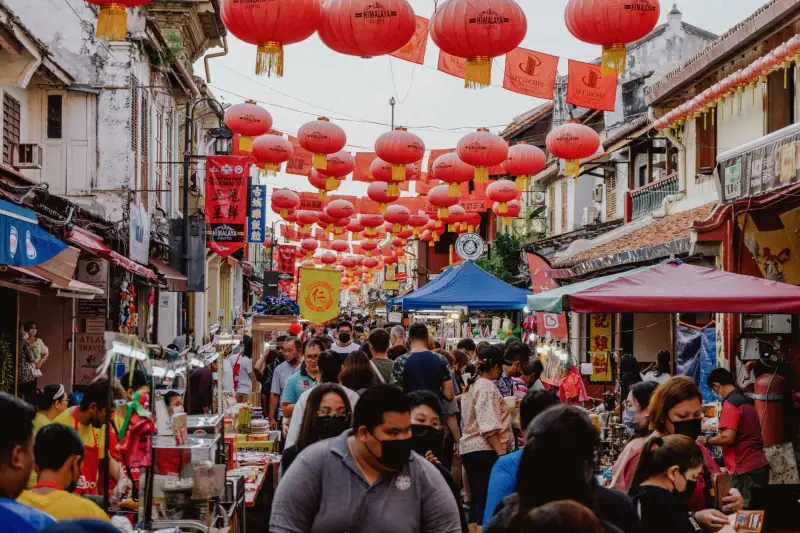
Malacca is an under-appreciated food capital. Nyonya cuisine (or Peranakan) is an extraordinary blend of Chinese cooking techniques and Malay spices: Nyonya laksa (a noodle soup milder and creamier than the Penang version), ayam pongteh (chicken simmered in fermented soybean paste with potato), cendol (an iced dessert) and onde-onde (glutinous rice balls filled with sweet palm sugar).
The Jonker Walk Night Market (Friday to Sunday evening, from about 6 pm to midnight) turns Jonker Street into one long night market where street food stalls, souvenir sellers and craftspeople mingle. It is one of Malacca’s most popular attractions, worth planning around if you are there for the weekend.
The hawker centers and kopitiam (traditional cafés) of Chinatown are perfect for breakfast and lunch. In the evening, the walk along the lit-up river between Chinatown and Dutch Square is a highlight.
Our article on Malaysian food will help you understand and enjoy the country’s culinary diversity.
Getting around Malacca
From long-distance transport
From Kuala Lumpur: The bus from TBS (Terminal Bersepadu Selatan, reachable by LRT) is the most practical option. Duration: about 2 hours. Fare: 10-15 MYR (about $2-3). Buses leave frequently all day. It is advisable to book ahead on weekends or during holidays.
From Singapore: Direct buses link Singapore to Malacca (Melaka Sentral bus terminal) in about 4 hours. Fare: 25-40 SGD depending on the operator.
From Johor Bahru: Buses serve Malacca from Johor Bahru in about 3 to 4 hours depending on traffic.
In Malacca
On foot: The historic heart (Chinatown, Dutch Square, St Paul’s Hill) is very easy to visit on foot. Distances are short: less than 20 minutes’ walk from one end of the historic center to the other.
Trishaw (rickshaw): The typical Malacca experience. These extravagantly decorated cycle taxis (artificial flowers, speakers, cartoon characters) will take you around the historic center. Allow 30-50 MYR for a 30- to 45-minute tour.
Grab: The local ride-hailing app Grab works well in Malacca. Handy to reach the bus terminal, an out-of-the-way restaurant or a hotel on the edge of town.
Car rental: Useful if you plan excursions to Port Dickson (a beach, about 60 km / 37 mi to the northwest) or inland.
To plan your Malaysia itinerary and fit Malacca into your route, see our Malaysia road trip guide.
Practical tips for your stay in Malacca
Book ahead for weekends: Malacca is very busy on weekends (Friday-Saturday-Sunday) with tourists from Kuala Lumpur and Singapore. Boutique hotels are full from Friday evening. If you come on a weekday, rates are often 20 to 40% lower.
Avoid major holiday periods: Chinese New Year, Hari Raya (the end of Ramadan) and Malaysia’s national day (August 31) are times when Malacca is overrun. Book well ahead or avoid these dates if quiet matters to you.
Heat and humidity: Malacca is hot and humid all year (average temperature 28-33 °C / 82-91 °F). The rainy season is less marked here than on the east coast. Check that your accommodation has air conditioning.
Money: ATMs are available in shopping malls and on streets in the center. Keep some ringgit in cash for markets, trishaws and small restaurants. Boutique hotels and tourist restaurants generally accept cards.
Wi-Fi: The internet connection is generally satisfactory in Chinatown accommodation. Some very traditional guesthouses may have a weaker signal.
Languages: English is well understood in tourist accommodation, restaurants and museums. Malay (Bahasa Melayu) and Mandarin are widely spoken in Chinatown.
To choose the best combination of destinations for your trip, see our guide to visiting Malacca, which details the highlights, the museums and possible excursions from the city.
How many nights in Malacca?
1 night: The strict minimum to go beyond a day trip. You will have time to enjoy Jonker Walk in the evening, have dinner in a Nyonya restaurant and visit Dutch Square the next morning in the cool.
2 nights: Ideal for most travelers. You will explore Chinatown in detail, visit the main museums (Baba & Nyonya Heritage Museum, the maritime museum, the Islam museum), climb St Paul’s Hill, enjoy the river cruise and have time to browse the antique shops.
3 nights or more: For history and culture fans. Malacca reveals new areas as the days go by: the Portuguese Settlement (the area of the Portuguese descendants, with seafood restaurants in the evening), the Hindu temples and historic mosques, and excursions to the surroundings.
Malacca combines naturally with Penang to discover Malaysia’s two great UNESCO cities, passing through Kuala Lumpur. Our guide to 7 days in Malaysia offers a complete itinerary to visit these three destinations in one week.
Frequently asked questions
What is the best area to stay in Malacca?
The Chinatown area (around Jonker Street and the Malacca River) is the best choice to immerse yourself in history and culture. It has most of the charming boutique hotels, guesthouses and restaurants, and puts the main attractions within walking distance. Dutch Square (the Red Square) is a 10-minute walk away.
How much does accommodation cost in Malacca?
Basic guesthouses and hostels start at €15-30 a night (about $17-35). Boutique hotels in historic houses cost €50-120 (about $58-140). 4-star hotels with a pool are between €80 and €180 (about $93-210). Luxury stays rarely exceed €200 (about $230) in Malacca, which makes it a very affordable destination.
Do you need to rent a car in Malacca?
No, it is not necessary to explore the historic center. The main sights (Jonker Street, Dutch Square, A Famosa, Bukit St Paul) are reachable on foot or by trishaw (a decorated rickshaw). To reach sites outside town such as the Port Dickson beaches or the Malacca Zoo, a Grab or a taxi is enough.
How do you get to Malacca from Kuala Lumpur?
The most practical option is the bus from the TBS bus station (Terminal Bersepadu Selatan) in Kuala Lumpur. The trip takes about 2 hours and costs 10-15 MYR (about $2-3). Buses leave frequently all day. There is no train station in Malacca itself, but you can arrive by train at Pulau Sebang/Tampin or Batang Melaka and then take a local bus.
Can you visit Malacca as a day trip from KL?
Yes, Malacca is often visited as a day trip from Kuala Lumpur. But one night there is strongly recommended, to enjoy the nighttime atmosphere of Jonker Walk, the restaurants along the lit-up river and the museums, which deserve to be explored without rushing.
Are there boutique hotels in Peranakan houses in Malacca?
Yes, it is one of Malacca's great specialties. Peranakan houses (Baba-Nyonya culture, a Chinese-Malay blend) have been renovated into boutique hotels with original tiles, antique furniture and inner courtyards. These stays offer a unique experience within the UNESCO heritage area listed in 2008.
What is the ideal length of stay in Malacca?
One night and two full days are enough to see the essentials: Dutch Square, Chinatown, St Paul's Hill, A Famosa, the museums and the Jonker Walk night market. Two nights are ideal to explore the Peranakan houses and temples at a more relaxed pace and make a few trips outside the center.
Where should you stay in Malacca for a first visit?
In Chinatown, around Jonker Street. You are within walking distance of Dutch Square, the museums and the Nyonya restaurants, and you enjoy the night market from Friday to Sunday. A Peranakan boutique hotel is the most typical choice.
Is it safe to stay in Malacca when traveling alone?
The historic center is compact and busy in the evening. Choose accommodation in Chinatown or near Dutch Square, walk back along lively streets and use Grab for late or out-of-the-way trips.
More Malaysia guides
Keep reading
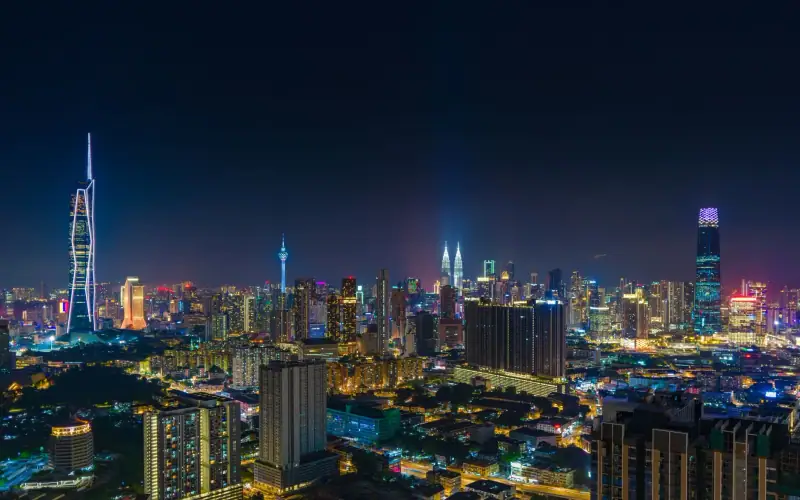
Where to stay in Kuala Lumpur: best areas and hotels
Where to stay in Kuala Lumpur? Bukit Bintang, KLCC, Chinatown, Bangsar: a guide to the best areas and hotels for every budget in KL.
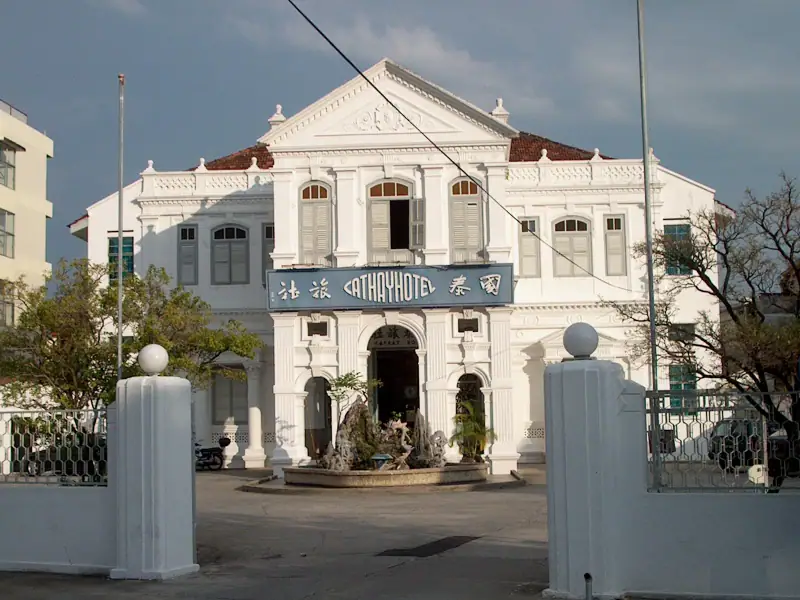
Where to stay in Penang: a guide to the areas and accommodation
Where to stay in Penang? George Town, Batu Ferringhi or Gurney Drive: a complete guide to the best areas and hotels for every budget.
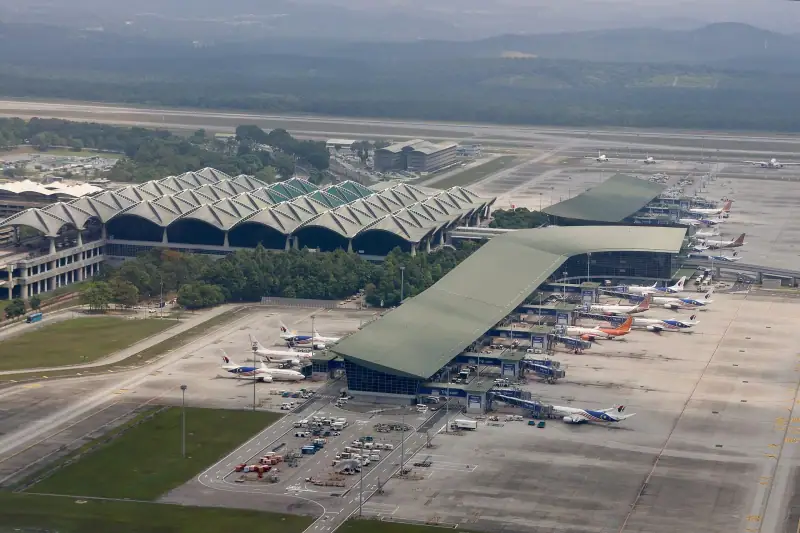
Sleeping near KLIA airport in Malaysia: options and prices
Early flight or connection at KLIA? Comparison of airside, landside and Putrajaya hotels, with prices, distances and tips for choosing well.
Ready-made
Malaysia itineraries
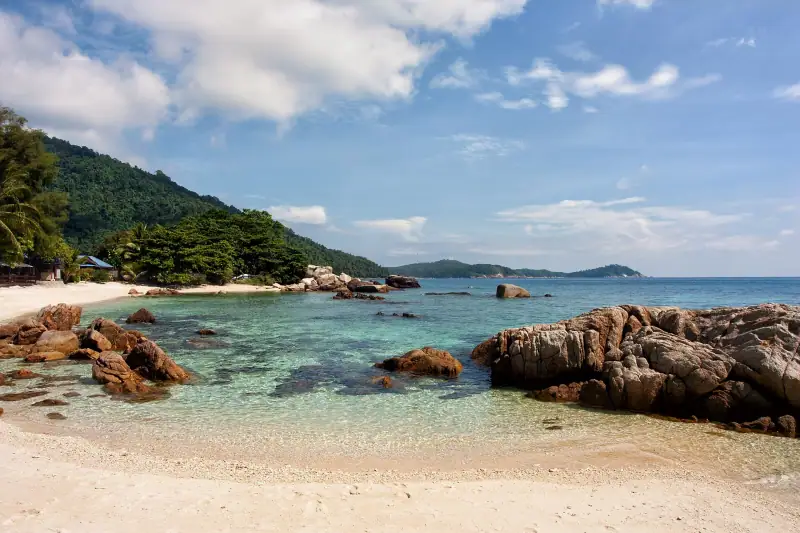
14 days
Malaysia's East Coast: Perhentian, Tioman, Redang and the eastern peninsula
Complete guide to Peninsular Malaysia's east coast: Perhentian, Redang, Tioman, Kota Bharu and Taman Negara. Diving, beaches and jungle. 10 to 14 days.
10 days
Malaysia in 10 days without a car: a train, bus and ferry itinerary
Kuala LumpurTanah Rata, Cameron HighlandsIpohGeorge Town, PenangLangkawi

14 days
Malaysia road trip: a complete 2 to 3 week itinerary
Malaysia road trip in 2 to 3 weeks: detailed route from KL to Penang, Langkawi, the Cameron Highlands, Malacca and Borneo, with transport and tips.