Plan your trip
Best time to visit Malaysia: a month-by-month guide

We may earn a commission when you book through links on this page, at no extra cost to you. We don't visit or try the places we cover: we summarize published sources. How we work
In short
- Malaysia is hot and humid all year (27-33 °C / 81-91 °F); what decides the best period is the monsoon, which differs by coast.
- The northeast monsoon (October to March) soaks the east coast and closes the Perhentian, Tioman and Redang islands; the west coast (Penang, Langkawi, KL) is drier then.
- For a first trip combining the west coast and a few island nights, March-April and September-October are the best periods.
- The east coast islands are best from May to September; Borneo (Sabah, Sarawak) from March to October.
Malaysia is a tropical country a few degrees from the equator. That means it is hot and humid all year, with temperatures between 27 and 33 °C (81 to 91 °F) depending on the region and season. But the deciding factor in choosing when to travel is the monsoon: depending on whether you want to go to the east coast, the west coast or Borneo, the best period changes radically.
Understanding Malaysia’s climate
Malaysia has two main monsoons that alternate through the year:
The northeast monsoon (October to March) blows from the South China Sea and drenches the peninsula’s east coast (Kelantan, Terengganu, the Perhentian Islands, Tioman). During this period, the west coast (Penang, Langkawi, KL) is relatively spared and enjoys drier weather.
The southwest monsoon (May to September) comes from the Indian Ocean via Sumatra. It is less violent than the northeast monsoon and brings rain mainly to the west coast and Borneo. The east coast is then relatively dry.
This offset between the two coasts is the key to planning your trip to Malaysia well.
Month-by-month calendar
January: ideal west coast, east islands closed
January is one of the best months to visit Langkawi, Penang and Kuala Lumpur. The dry season is in full swing on the west coast with little rain and plenty of sunshine. Temperatures are pleasant (27-30 °C / 81-86 °F). However, the northeast monsoon is still active on the east coast, and the Perhentian Islands and Tioman are closed.
This is also Chinese New Year time (variable date, often in January-February). George Town and Kuala Lumpur celebrate with lit-up decorations and lively festivities. A unique cultural experience, but hotels are often full.
February: mild weather and festivals
Similar to January. The west coast is still in excellent shape. Thaipusam (a spectacular Hindu festival with processions and penance) usually takes place in February in Kuala Lumpur and Penang, an extraordinary sight for visitors curious about religions.
The Cameron Highlands have their best weather of the year: cool temperatures (18-22 °C / 64-72 °F by day), clear skies, green tea plantations.
March: the east islands return
March marks the transition on the east coast. The monsoon gradually withdraws. From late March, the first hotels on the Perhentians reopen. The sea is still sometimes rough, but the more adventurous can already go.
The west coast remains very beautiful. It is an ideal pivot period to combine Langkawi and a first exploration of the east islands if you travel in late March.
April: an excellent all-round period
April is one of the best months to visit Malaysia across all regions. The east coast is now open with a calming sea. Langkawi and Penang are still beautiful. Borneo begins its favorable season. Prices are reasonable and tourist numbers moderate.
May: the east islands at their best
May is the ideal month for the Perhentian Islands and Tioman. The sea is calm, underwater visibility is excellent, the corals are beautiful. It is the perfect season for scuba diving and snorkeling. Tourist numbers stay moderate (European holidays have not started yet).
June-July-August: high tourist season
This is the busiest period. European and American holidays bring tourists flooding into all of Malaysia. The east islands are magnificent but crowded. Langkawi is wetter but remains beautiful. KL can be hot and rainy in the afternoon.
Advantages: All activities are available, boats run every day, tourist services are at their maximum.
Drawbacks: Higher prices, bookings needed far in advance, more crowded sites.
September: a good, underrated period
September is a good choice for flexible travelers. Families with children have gone home, prices drop, but weather conditions are still good on the east islands. Borneo is at the end of its dry season, a good period for Mount Kinabalu and Sipadan.
October: a delicate transition
October is the transition month on the east coast. The first monsoon storms arrive. The sea starts to rise. The last boats to the Perhentians sail early in the month. Avoid the east islands after mid-October.
Kuala Lumpur, Penang and Borneo (Sabah/Sarawak), on the other hand, remain accessible and less crowded.
November: east coast monsoon, west coast mild weather
November sees the northeast monsoon settle in seriously on the east coast. Heavy rain, rough sea: the islands are closed. Langkawi, Penang and KL, on the other hand, enter their best season. This is the time to plan a trip on the west side of the peninsula.
Borneo can see intense rain in November, but remains accessible.
December: west coast high season
December is high season for the west coast, Langkawi and Penang. The weather is nice, and Christmas and New Year festivities create a festive atmosphere in the big cities. KL is richly decorated. Hotels are often full, so book very early.
Summary by region
| Region | Best period | Avoid |
|---|---|---|
| Kuala Lumpur | January-March, June-August | No bad period |
| Langkawi | November-April | May-October (monsoon) |
| Penang | November-April | May-October (less ideal) |
| Perhentian / Tioman islands | May-September | November-March (closed) |
| Borneo Sabah | March-October | November-February |
| Borneo Sarawak | March-October | November-February |
| Cameron Highlands | All year | November-January (wetter) |
Our recommendation
For a first trip to Malaysia that combines the west coast and a few nights on an island, March-April and September-October are the best periods: decent weather in all regions, reasonable prices and smaller crowds than in peak high season.
If you absolutely want to do the Perhentians or dive at Sipadan, aim for June to August and book several months ahead.
Malaysia is a destination where the weather plays a crucial role in the quality of the experience, especially for the islands. If you understand how the monsoons work and adapt your itinerary, you can enjoy the tropical sun with all activities available.
Frequently asked questions
What is the best time to go to Langkawi?
The best time for Langkawi is November to April, during the dry season on the northwest coast. January is statistically the sunniest month. Avoid May to October, the monsoon period with frequent rain.
Can you visit the Perhentian Islands all year?
No. The Perhentian Islands (and Tioman, Redang) close their hotels from November to February because of the northeast monsoon, which makes the sea impassable. The opening season runs from March to October, with a peak from May to September.
When is it least hot in Malaysia?
Malaysia is hot all year (27-32 °C / 81-90 °F). Nights are slightly cooler in the Cameron Highlands (15-20 °C / 59-68 °F), which makes a welcome escape from the heat. There is no real "cold season" in this tropical country.
Does Ramadan affect travel in Malaysia?
Ramadan (dates vary with the lunar calendar) can slightly affect some activities: some Malay restaurants close during the day, and alcohol is less available in Muslim-majority areas. George Town and KL stay very active all year. Find out the dates before you go.
Borneo: when is the best time to see orangutans?
Orangutans can be seen all year in the sanctuaries (Sepilok, Semenggoh). The best season for Borneo in general is March to October, when rainfall is less intense. Wild orangutans are easier to see in the dry season when fruit is abundant.
More Malaysia guides
Keep reading

Malaysia travel budget: how much does a trip cost in 2026?
How much to budget for Malaysia? Accommodation, meals, transport and activities: every expense detailed to prepare your trip.
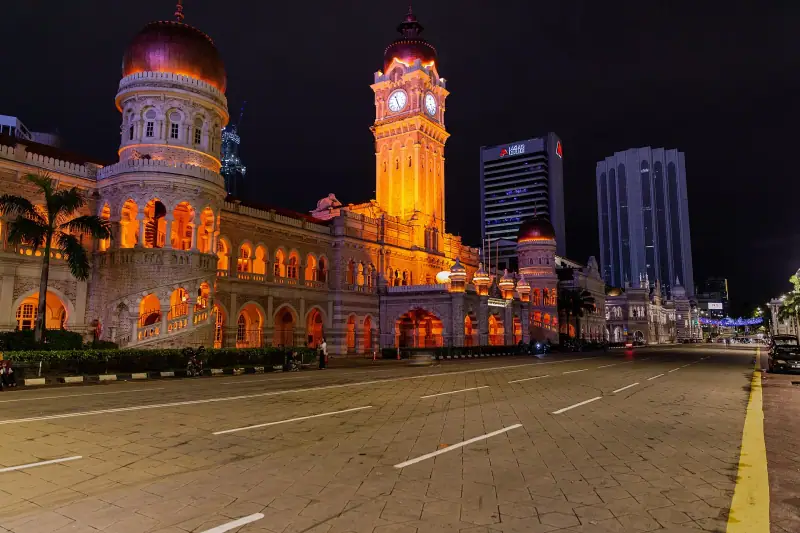
Visiting Kuala Lumpur: complete guide 2026
Complete guide to visiting Kuala Lumpur: Petronas Towers, Batu Caves, Chinatown, Bukit Bintang, street food and transport. All you need to know.
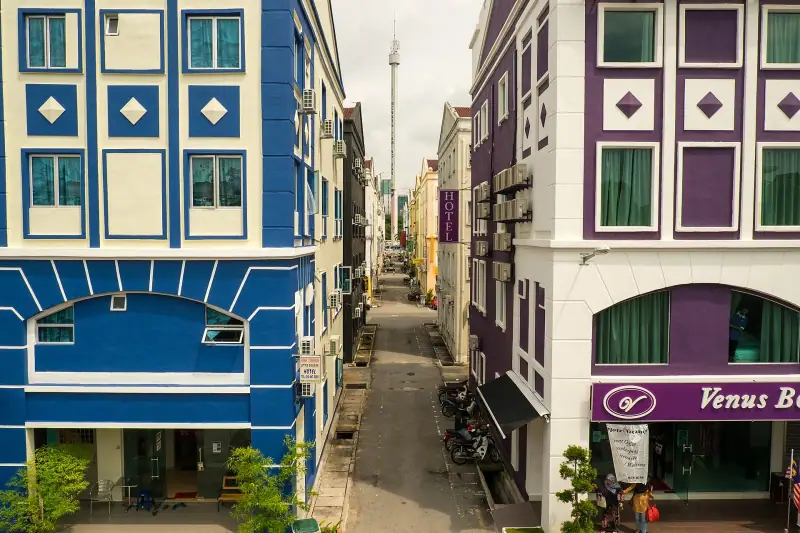
Where to stay in Malacca: a guide to the areas and best places to sleep
Where to stay in Malacca? Chinatown, Jonker Street, Dutch Square: a complete guide to areas, types of accommodation and practical tips for every budget.
Ready-made
Malaysia itineraries
14 days
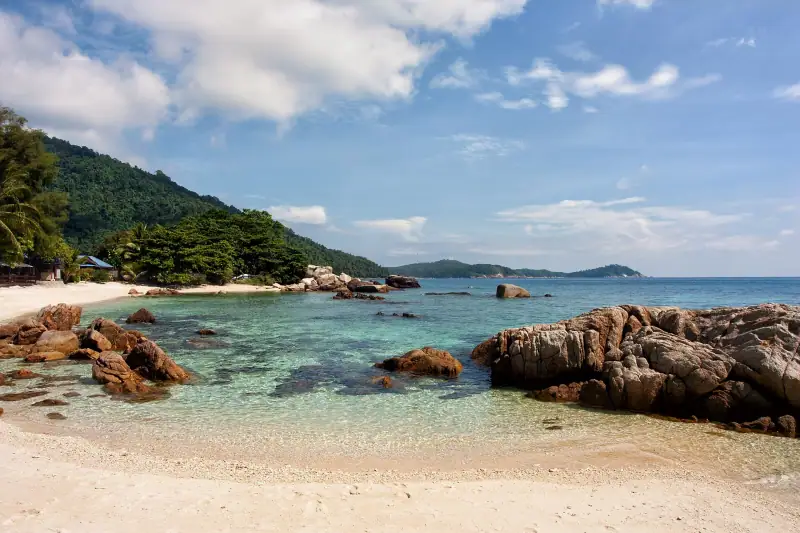
Malaysia's East Coast: Perhentian, Tioman, Redang and the eastern peninsula
Complete guide to Peninsular Malaysia's east coast: Perhentian, Redang, Tioman, Kota Bharu and Taman Negara. Diving, beaches and jungle. 10 to 14 days.

10 days
Malaysia in 10 days without a car: a train, bus and ferry itinerary
Kuala LumpurTanah Rata, Cameron HighlandsIpohGeorge Town, PenangLangkawi

14 days
Malaysia road trip: a complete 2 to 3 week itinerary
Malaysia road trip in 2 to 3 weeks: detailed route from KL to Penang, Langkawi, the Cameron Highlands, Malacca and Borneo, with transport and tips.