Things to do
Dog sledding in Lapland: a complete guide to the experience
We may earn a commission when you book through links on this page, at no extra cost to you. We don't visit or try the places we cover: we summarize published sources. How we work
In short
- Most operators let beginners drive their own team after a short briefing. Siberian Huskies and Alaskan Huskies are the main breeds.
- Indicative prices per person: about €80-120 (~$93-140) for 1-2 hours, €150-220 (~$175-255) for a half day, €250-400 (~$290-465) for a full day, €500-1,500 (~$580-1,740) for 2-5 days.
- Children can ride as passengers from about age 5-6; most operators ask 12-14 to drive. Check each operator's conditions when booking.
- Choose operators who show real care for their dogs: healthy, enthusiastic dogs, no more than 2 outings a day in high season, and kennel access.
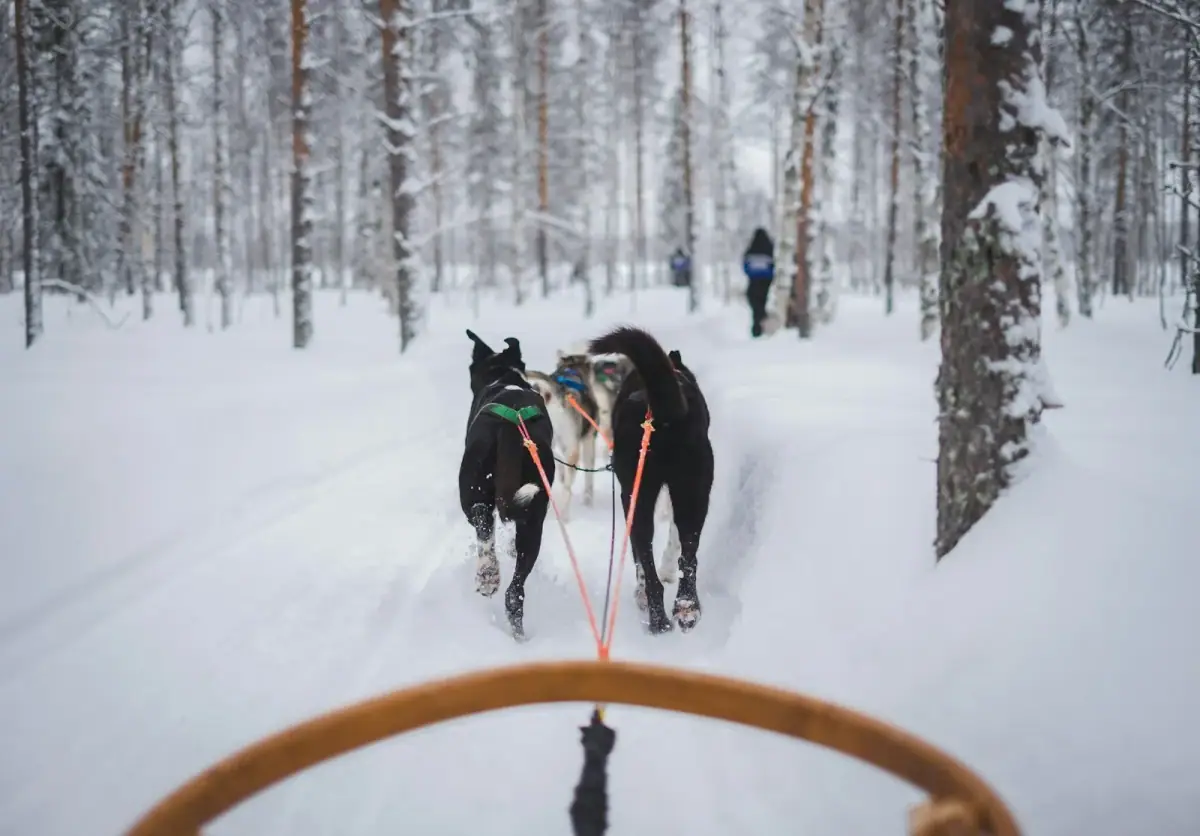
There is something deeply moving about mushing. The silence of the boreal forest, disturbed only by the glide of the runners on the snow and the rhythmic breathing of the dogs. The palpable energy of these extraordinary animals giving everything they have. The forest passing by like a dream under the cold light of the Lapland winter.
Dog sledding in Lapland is much more than a tourist activity: it is a link with a thousand-year-old tradition and a genuine connection with Arctic nature.
The dog breeds
Siberian Husky
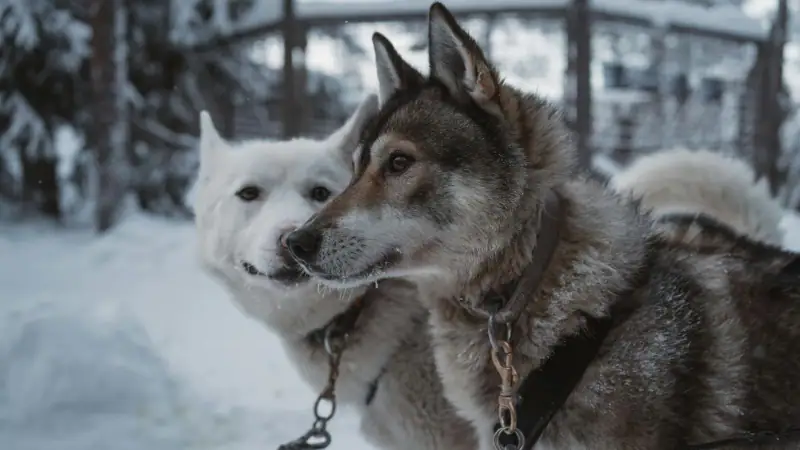
The best known and most used in Lapland tourism. The Siberian Husky comes from Siberia, selected over millennia by the Chukchi peoples to pull heavy loads over long distances.
Characteristics: medium size, dense double coat, often blue or odd-colored eyes, playful and sociable character. Excellent cold resistance down to -60 °C (-76 °F). Cruising speed: 20-30 km/h (12-19 mph).
Alaskan Husky
Less known to the general public but widely used in races (Iditarod, Finnmarksløpet). The Alaskan Husky is not a standardized breed but a type of dog selected for pure performance.
Characteristics: lighter and faster than the Siberian. Top speed up to 40-45 km/h (25-28 mph). Enduring and very motivated, but less photogenic because it lacks the classic husky look.
Greenland Dog (Kalaallit Qimmiat)
Used in a few Lapland kennels, the Greenland Dog is an ancestral breed closer to the wolf. Larger and stronger, ideal for extreme conditions and carrying heavy loads.
Types of excursions
Short excursion (1-2 hours)
The perfect option for a first taste or if time is limited.
Typical program:
- Kennel visit and meeting the dogs (15-20 min)
- Briefing on driving the sled
- An 8-15 km (5-9 mi) loop in the forest and on lakes
- Return, cuddles with the dogs
Price: €80-120 per person (~$93-140).
Half day with lunch (4-5 hours)
The most popular option. You have time to really soak up the experience.
Typical program:
- Kennel visit and harnessing your team
- A 20-30 km (12-19 mi) trek through the forest
- Stop in a Lappish kota for a traditional lunch
- Return and time with the dogs
Price: €150-220 per person (~$175-255).
Full day (7-8 hours)
For the real adventurers. You cover 50 to 80 km (31 to 50 mi) through the finest Lapland landscapes.
Typical program:
- Early start (8:30-9 am)
- Big loop through forests and fells
- Gourmet lunch in a remote lodge
- Return in the late afternoon
Price: €250-400 per person (~$290-465).
Multi-day safari (2-5 days)
The ultimate mushing experience. You progress from lodge to lodge, sleep in remote cabins and live like professional mushers.
Typical program:
- 30-50 km (19-31 mi) a day depending on conditions
- Nights in forest cabins with sauna
- Meals cooked over the fire
- Learning dog care
Price: €500-1,500 per person for 2-5 days (~$580-1,740).
Operators worth knowing in Lapland
In Finnish Lapland
Bearhill Husky (Rovaniemi): one of the most respected in the region. About a hundred dogs, quality excursions, an excellent reputation for animal welfare.
Husky Park Rovaniemi: a large park with more than 200 dogs. Ideal for groups and families. Short and long excursions.
Saariselkä Reindeer and Husky: for those who want to combine reindeer and husky in the same day, in the wilds of Saariselkä.
Kakslauttanen Husky Safaris: the husky safaris organized from the Kakslauttanen resort offer some of the best aurora and nature conditions.
In Norwegian Lapland
Villmarkssenter (Tromsø): Tromsø’s largest kennel, with remarkably well-trained huskies. Safaris from one hour to a full day.
Camp Tamok: 60 km (37 mi) from Tromsø, in an exceptional natural setting. Safaris combining sled, northern lights and Arctic cuisine.
Sami Adventures (Alta): an operator run by a Sámi family, a cultural experience as much as a sporting one.
Respecting the dogs
Always choose certified operators who show real passion for their animals’ welfare. The signs of a good kennel:
- The dogs are enthusiastic and healthy (shiny coat, bright eyes)
- The operator takes time to explain dog care
- The dogs are not overworked (no more than 2 outings a day in high season)
- You have access to the kennel to meet the dogs before and after
Professional mushers in Lapland devote their whole lives to their dogs. They know each animal by name, its preferences, strengths and weaknesses. This deep bond between human and dog is at the heart of mushing culture.
Practical tips
Dress warm. As a passenger in the sled, you sit still and the wind chills you fast. Wear extra layers.
Do not shout or startle. Huskies can be startled by loud noises, especially the lead dogs. Stay calm and relaxed.
Listen to the briefing. The driving instructions (how to brake, how to steer) are essential. Beginners who do not brake in time cause accidents.
Hold on tight. Always hold the sled with both hands, especially in turns and descents.
Enjoy the silence. Dog sledding is one of the rare outdoor activities where you hear only nature. Savor this silence.
Lodges and accommodation in Lapland
Sleep near the finest kennels in Lapland.
Dog sledding in Lapland is one of those experiences that will reconcile even the most reluctant with winter. The infectious energy of these magnificent animals, the fairy-tale landscape and the simplicity of this ancestral way of travel create something unique and deeply human.
Sources
Frequently asked questions
Can you drive your own dog sled team in Lapland?
Yes! Most operators let beginners drive their own team after a short briefing. It is one of the most accessible and satisfying experiences, as the huskies are so enthusiastic that they do all the work.
Which dog breed is used for sleds in Lapland?
Mainly Siberian Huskies and Alaskan Huskies. Some mushers also use Greenland Dogs or Samoyeds. These breeds are selected for their endurance, cold resistance and pulling instinct. Alaskan Huskies are the fastest.
Do the dogs suffer pulling a sled?
Not at animal-friendly establishments, where the dogs are well looked after. Huskies are working dogs genetically selected to run and pull; it is their natural passion. You will see it is impossible to hold them back when harness time comes! Good Lapland operators care for their dogs like family members.
At what age can children go dog sledding?
Children can take part from age 5-6 as passengers in the sled. To drive, most operators ask for a minimum of 12-14 years, sometimes with an adult in the sled. Check the operator's specific conditions when booking.
How much does a dog sledding excursion in Lapland cost?
As a guide (check current rates with the operator), expect between €80 and €120 per person for 2 hours (~$93-140), €120-200 for a half day (~$140-230), and €200-400 for a full day with lunch (~$230-465). Multi-day safaris with a night in a remote lodge cost €500-1,500 per person (~$580-1,740).
More Lapland guides
Keep reading
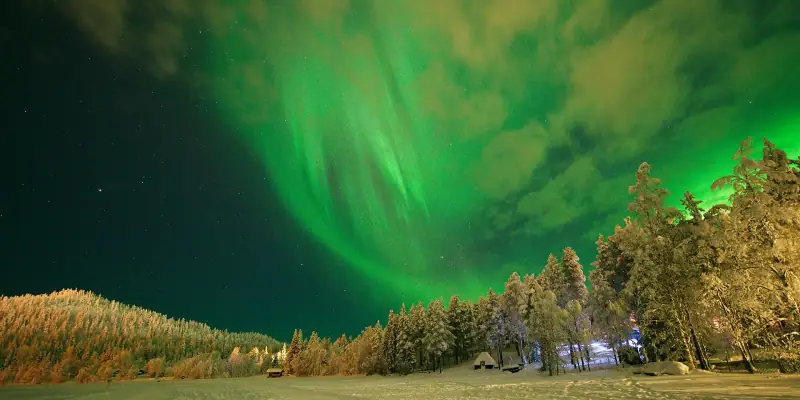
Northern lights in Lapland: a complete guide to seeing them
Northern lights guide for Lapland: when and where to see them, best apps, photo spots and tips to maximize your chances.
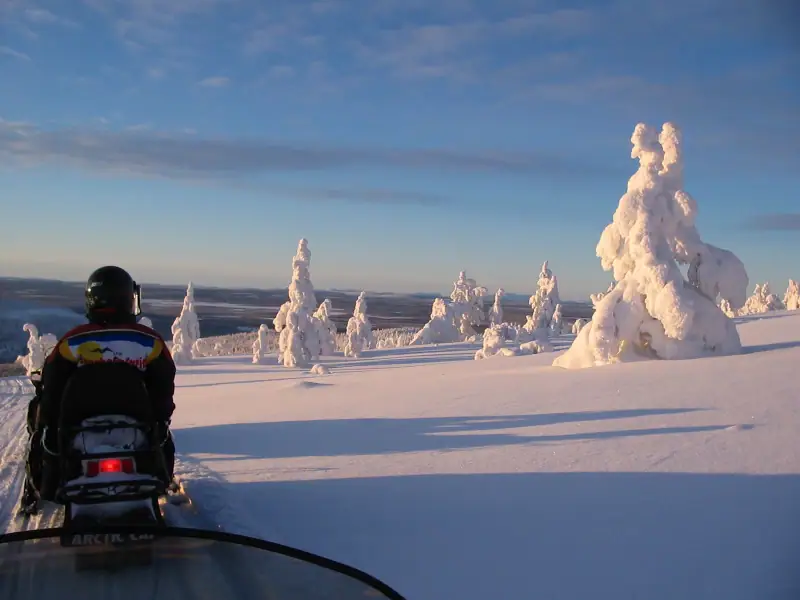
Snowmobiling with kids in Lapland: minimum age, sled and prices
Snowmobiling with children in Lapland: minimum age, sled or passenger seat, height rules, prices by age and alternatives for under-6s.
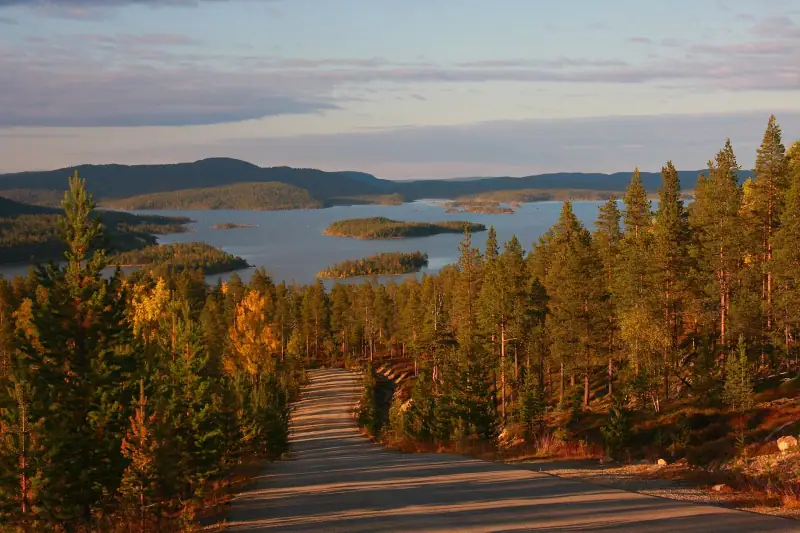
Visiting Inari: a complete guide to the heart of Sámi Lapland
Visiting Inari in Finnish Lapland: Lake Inari, Siida museum, northern lights and Arctic activities. Complete guide to plan your stay.
Ready-made
Lapland itineraries
7 days
Lapland in 7 days: a complete one-week itinerary
RovaniemiSaariselkäRovaniemi
7 days
Rovaniemi and Tromsø in one week: is it doable? A realistic itinerary
RovaniemiKilpisjärviTromsø
14 days
Lapland road trip: a 10 to 14-day itinerary by car
RovaniemiSaariselkäInariKarasjokAltaTromsøKiruna