Food & drink
Franciacorta: visiting the vineyards and tasting the bubbles of Lake Iseo
We may earn a commission when you book through links on this page, at no extra cost to you. We don't visit or try the places we cover: we summarize published sources. How we work
In short
- Franciacorta is a DOCG sparkling wine from south of Lake Iseo, made by the traditional method with a second fermentation in the bottle, mainly from chardonnay, pinot noir and pinot blanc.
- Satèn is a Franciacorta category: a blanc de blancs with a softer, creamier bubble; Brut is the reference cuvée.
- Most estates receive visitors by appointment; a visit with tasting takes about one to one and a half hours, and two estates a day is plenty.
- Iseo is the most practical base; arrange a designated driver, taxi, e-bike or organized excursion if you taste.
When we think of Italian bubbles, we first think of prosecco. Yet a short distance from Lake Iseo, in Lombardy, a small area of hills produces a sparkling wine that can hold its own in finesse: Franciacorta. Less well known to travelers, it is one of the best reasons to extend a stay on the quietest of the big Italian lakes.
This guide explains what Franciacorta is, how to read a label, which villages make good bases, how to organize a tasting and which dishes to pair with your bottles. For the lake program itself, our article on Monte Isola, Lovere and Franciacorta gives the general frame.
Franciacorta: a wine zone of its own
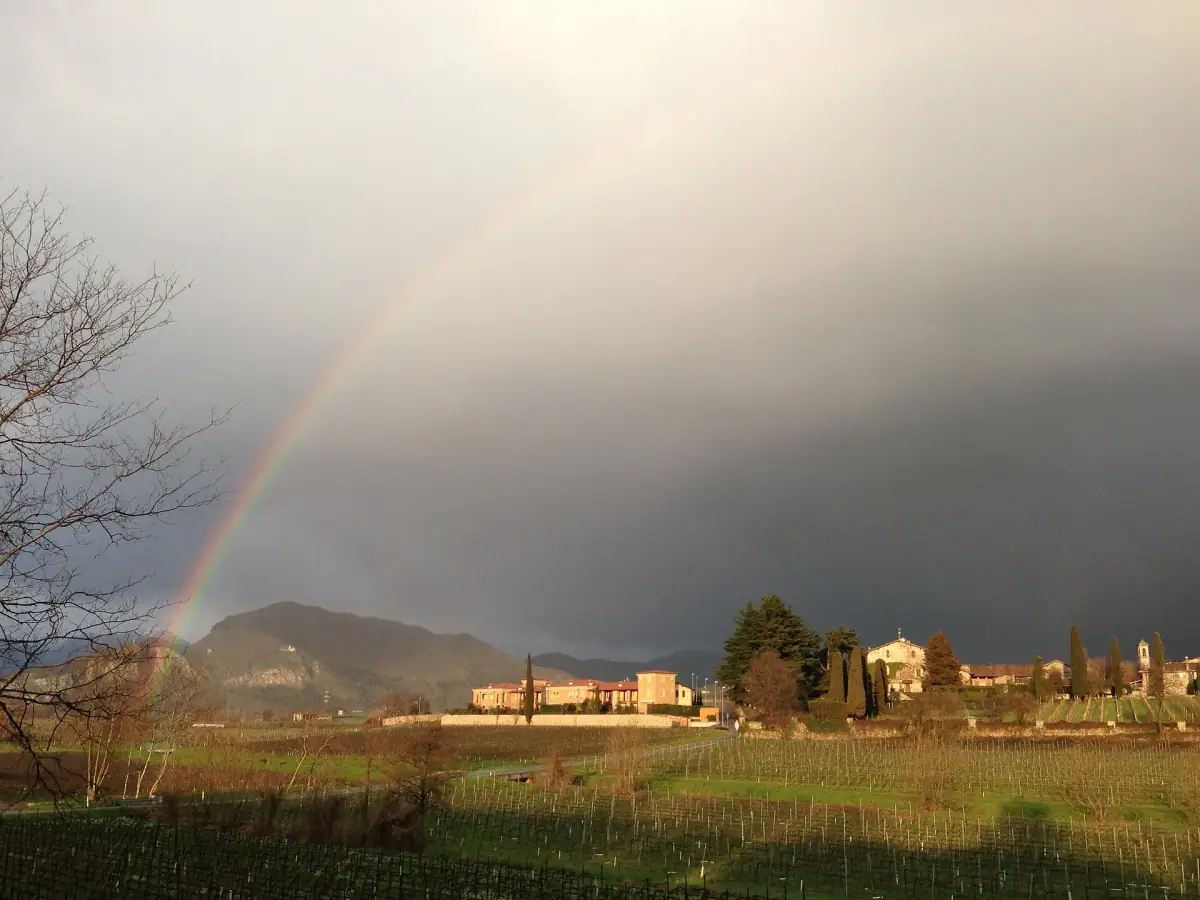
Franciacorta is a region of gentle hills south of Lake Iseo, in the province of Brescia. These hills were shaped by glaciers, like those around Lake Garda, which gives varied soils mixing gravel, sand and clay. The neighboring lake softens the climate, while the nearby Alps bring cool nights: an ideal balance for grapes destined to become sparkling wines, which must keep their acidity.
The name Franciacorta designates both the territory and the wine. Producers insist on this: on the label you do not read “spumante” or “champagne method,” but simply Franciacorta. The appellation is classified DOCG, the highest level of the Italian system, and its rules are demanding: second fermentation in the bottle, minimum aging on lees, hand harvesting.
For a traveler, it is a pleasant region to drive through, with small roads, stone villages and estates, some of which occupy former convents, farms or villas. It all stays human-sized, far from the crowds of Bellagio or Sirmione.
Grapes and method: what to know
Franciacorta is built on three main grapes: chardonnay, by far the majority, pinot noir and, to a lesser extent, pinot blanc. Chardonnay brings freshness and notes of citrus and white flowers, pinot noir structure and red fruit, and pinot blanc roundness.
The method is called traditional: after a first fermentation, the wine is bottled with a mixture of sugar and yeast, which triggers the second fermentation and creates the bubbles. The wine then ages on its lees, which develops those aromas of brioche, toast and almond that give a good sparkling wine its charm.
This aging partly explains the prices: a Franciacorta is generally more expensive than an ordinary prosecco, but usually remains more affordable than a comparable Champagne. It is best seen as a wine of character, comparable to crémants and small-producer Champagnes.
Reading the label: Brut, Satèn, Rosé, Millesimato
Franciacorta labels can seem confusing. Here are the main mentions.
- Franciacorta Brut: the reference cuvée, dry and balanced, often the best seller. A good starting point to compare estates.
- Satèn: a specialty of the zone, a blanc de blancs made from white grapes, with a softer, creamier bubble. Its round, delicate profile appeals even to those who find Bruts too sharp.
- Rosé: made with a significant share of pinot noir, it is fruitier, with red-fruit notes, and goes very well with meals.
- Extra Brut, Pas dosé, Dosage zéro: very dry cuvées, with no or almost no added sugar, for fans of taut, crisp wines.
- Millesimato: a single-vintage wine, which ages longer and shows more complexity.
- Riserva: the prestige mention, reserved for cuvées that spent a long time on lees.
As a general rule, the longer the aging, the more complex the wine and the higher its price. For a first tasting, a Brut and a Satèn are enough to understand a house’s style.
One more thing: the region also produces still wines, grouped under the Curtefranca appellation, reds and whites. They are little known abroad, but are a nice surprise if you like northern Italian wines.
Sleeping near Lake Iseo and Franciacorta
Compare hotels, guesthouses and agriturismi around Iseo so you can taste without getting behind the wheel in the evening.
Where to stay and branch out: Iseo, Erbusco, Provaglio
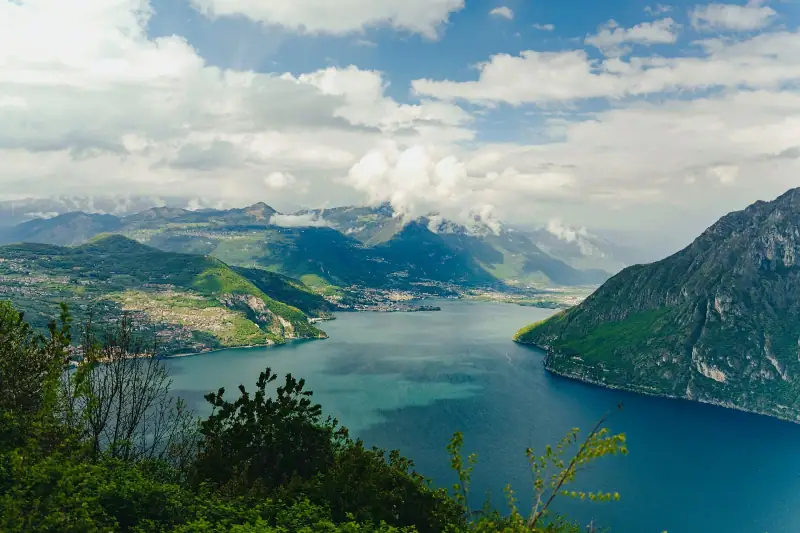
Franciacorta has no single capital, but a few landmarks help you get organized.
Iseo is the most practical base for a trip mixing lake and wine. The town has a pleasant small center, quays, boats to Monte Isola and a station on the line linking Brescia to Edolo. From Iseo, the wine hills are a few minutes away by car or taxi. If you want to mix swimming, boat rides and tastings, it is the best choice.
Erbusco is closely tied to the zone’s reputation: the village sits in the middle of the vineyards and hosts several estates. It is an interesting base if your priority is gastronomy, with well-known restaurants nearby.
Provaglio d’Iseo and its surroundings let you combine wine and nature: the village is near a peat-bog nature reserve, the Torbiere del Sebino, a former peat-extraction site turned protected wetland, good for walking and birdwatching.
If you are preparing a wider stay, our guide to getting around the Italian lakes covers train, boat and car options between the lakes.
Organizing your day: car, taxi, bike or excursion
The first point to settle is driving. Franciacorta estates are scattered along small roads, and a tasting, even a modest one, means you should think before taking the wheel. Here are your options.
- A car with a driver who does not taste: the simplest solution as a couple or group, provided you take turns from one day to the next.
- A taxi or chauffeur: book ahead, as supply is limited in the villages. Arrange both the outbound and return trips.
- A bike, especially electric: the hills are gentle, secondary roads quiet, and several estates and rental shops suggest routes. It is the most pleasant option in season, but stay careful after the tasting.
- An organized excursion: the most comfortable solution for a first discovery, with transport, visit and tastings together.
If you rent a car to continue to the other lakes, use the car-rental comparison at the bottom of the page to compare offers.
Food and wine pairings: what to drink with what?
Franciacorta is more versatile than you might think. Instead of saving it for the aperitif, try it throughout the meal.
- Brut and lake fish: the freshness of Brut goes well with grilled lake fish, light fried dishes or a fish risotto. Our guide to Italian lakes specialties covers the dishes to try.
- Satèn and delicate dishes: its roundness suits starters, fresh cheeses, rice dishes and cream-based preparations.
- Rosé and cured meats: its fruitiness supports northern Italian salumi, terrines and slightly spicier dishes.
- Vintage cuvées and richer dishes: their structure lets you pair them with poultry, mushrooms or stews.
A simple rule: if a dish is fatty or fried, a lively bubble is always a good choice, as acidity and fizz cleanse the palate.
In the region, the cooking of Brescia and its surroundings is hearty and generous, with braised meats, stuffed pasta and local cheeses. Ask your host or your estate to point you to a local trattoria rather than the most obvious places.
A guided tasting in Franciacorta
Winery visits and wine tastings bookable online around Lake Iseo, with free cancellation on most activities.
Visiting a winery: how it works
A typical visit lasts about one to one and a half hours. It often starts with a tour of the vines or the cellar, continues with an explanation of the traditional method, then ends with a tasting of two to four cuvées. Some estates also offer an associated lunch or snack.
A few practical tips:
- Book by message or phone, especially on weekends and during the harvest period.
- Ask about the program and the price before you go: options vary from one estate to another, from a simple tasting to a full visit.
- Taste by the glass and not only by the bottle: a tasting shows you several styles, but only buy what you really like.
- Do not schedule more than two estates a day: the pleasure drops quickly when you rush from one to the next.
- Eat: a tasting on an empty stomach is more tiring than you think.
In spring, several estates generally take part in open-house days; ask the local tourist office before your trip, as the dates change from year to year. The harvest, which starts in late summer, is also a highlight, but estates are then very busy.
Combining Franciacorta, Monte Isola and the rest of the stay
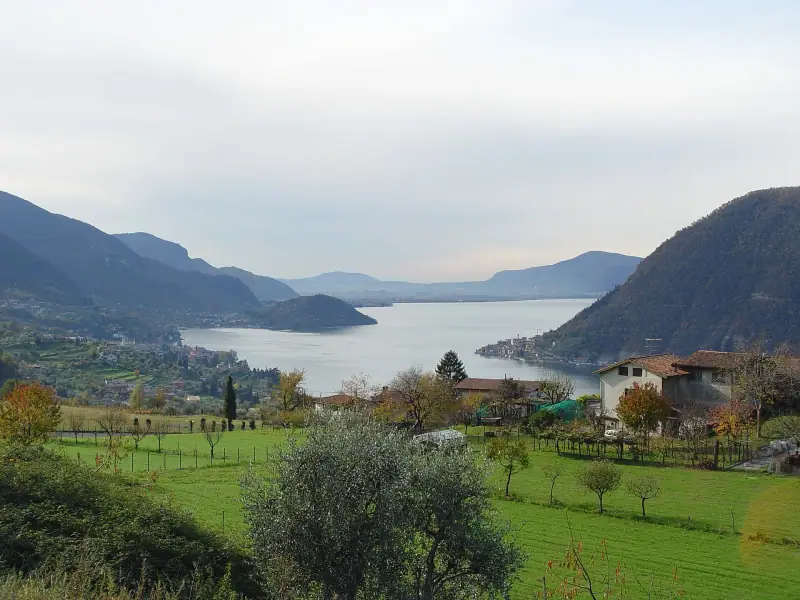
A full day of wineries does not always pair well with a day of sightseeing. Here is a balanced way to build a stay of two or three days.
Day 1: the lake. Arrive in Iseo, wander the quays and take a boat to Monte Isola, the lake’s big car-free island. A bike ride or walk and a lunch of lake fish are enough to fill the day.
Day 2: the vineyard. Spend the morning on a winery visit, have lunch in a local trattoria, then leave the afternoon for discovering a village or a walk in the peat bogs of Provaglio d’Iseo.
Day 3: a stop elsewhere. If you continue your route, Lake Garda is close: our article on Lake Garda wines lets you compare Lugana, Bardolino and Franciacorta in the same week.
For a fuller trip, our 7-day Italian Lakes road trip fits in a stop at Iseo easily.
Find a flight to Lombardy
Compare flights to Lombard airports to reach Lake Iseo and Franciacorta.
Budget and souvenirs
The budget for a day in Franciacorta depends mainly on the number of estates visited and the type of meal. A simple tasting is generally reasonably priced; visits with lunch or food pairing are more expensive. Always ask the price when booking, as options vary a lot.
For souvenirs, a Franciacorta Brut or a Satèn travels well and makes a welcome gift. If you fly, check your airline’s baggage rules before buying in quantity, and wrap the bottles in your clothes. For an overview of your spending, our budget for the Italian lakes gives figures.
If you want a lighter souvenir, olive oil from the lakes, jams and local products are good extras, sold at most estates and village grocers.
Mistakes to avoid
- Arriving without a reservation: many estates do not accept unannounced visitors.
- Confusing Franciacorta and prosecco: they are two different worlds, in method as in style.
- Drinking then driving: plan a designated driver, a taxi or a bike.
- Sticking to Brut: Satèn and Rosé reveal other sides of the zone.
- Neglecting the lake: the vineyard is charming, but it is the combination of the two that makes the region special.
Taste the Italian lakes with a guide
Food tours, cooking classes and tastings bookable online, with free cancellation on most activities.
Before you go
Travel insurance is useful if you book activities in advance or rent a vehicle: compare policies according to your trip. Entry rules depend on your passport. Check the official travel advice of your government before you book: travel.state.gov (US), GOV.UK (UK), travel.gc.ca (Canada), Smartraveller (Australia) (checked November 2026).
Franciacorta is one of those regions that reward curiosity: you come for a bottle, you stay for the light on the hills and the calm of the villages. Combined with Lake Iseo, it is an ideal stop for those looking for a quieter, more authentic side of the Italian lakes.
Frequently asked questions
What is Franciacorta?
It is a sparkling wine from Lombardy, produced south of Lake Iseo by the traditional method, with a second fermentation in the bottle, like Champagne. It is made mainly from chardonnay, pinot noir and pinot blanc.
What is the difference between Franciacorta and prosecco?
Prosecco comes from Veneto and Friuli and is generally made with a second fermentation in a tank, which gives a simpler, fruitier wine. Franciacorta ferments in the bottle and ages on its lees, which gives it more complexity, toasty notes and a finer bubble.
What is Satèn?
Satèn is a category specific to Franciacorta: a blanc de blancs, made from white grapes, with a softer, creamier bubble. Its name evokes satin, in reference to its silky texture in the mouth.
Can you visit Franciacorta without a car?
It is possible but limited. The train links Brescia to Iseo and a few villages in the area, but the estates are scattered in the hills. A taxi, an e-bike or an organized excursion are the most practical solutions, especially if you taste.
Do you need to book to visit a winery?
Yes, it is the safest. Most estates receive by appointment, with hours that vary by season. A message a few days ahead avoids finding a closed door, especially on weekends.
How long should you plan for a tasting?
Allow about one to one and a half hours for a visit with a tasting of a few cuvées. For two estates in the same day, plan a lunch between them rather than running them together.
What is the best time to visit Franciacorta?
From spring to early fall. In September, the harvest enlivens the region, but the estates are busier. In spring, the vines turn green again and the climate is pleasant for combining wineries with walks around the lake.
More Italian Lakes guides
Keep reading
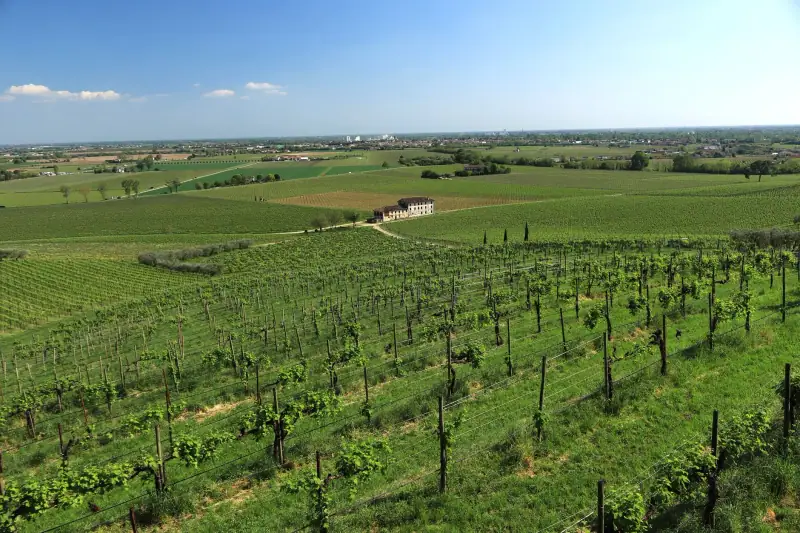
Lake Garda wines: Lugana, Bardolino, Chiaretto and Custoza
Lugana, Bardolino, Chiaretto, Custoza, Valtènesi: a guide to Lake Garda wines, with areas to visit, food pairings and tasting tips.
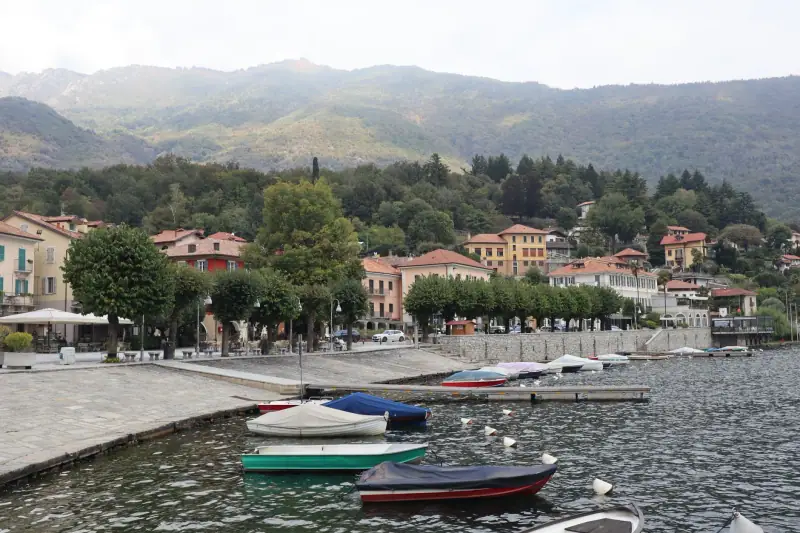
Italian Lakes budget: how much a trip costs (3 costed profiles)
How much does a trip to the Italian Lakes cost? Accommodation, boats, meals, activities: three daily budgets with figures and tips to spend less.
Borromean Islands: visiting Isola Bella, Isola Madre and Isola dei Pescatori
Visit the Borromean Islands from Stresa: Isola Bella, Isola Madre and Isola dei Pescatori. Boats, visiting order, duration, tips and best seasons.
Ready-made
Italian Lakes itineraries
3 days
Lake Como in 3 days: Como, Bellagio and Varenna itinerary
What to see on Lake Como in 3 days? A day-by-day plan by boat and on foot: Como, Tremezzina villas, Bellagio and Varenna, no car needed.
5 days
Italian Lakes in 5 days without a car: a realistic train and boat itinerary
ComoVarennaStresaDesenzano del Garda
7 days
7-day Italian Lakes road trip: Maggiore, Como and Garda
A 7-day drive through Lake Maggiore, Lake Orta, Lake Como and Lake Garda: stops, driving times, driving and parking tips.