What to see
Visiting Mestia and Svaneti: a complete guide to the roof of the Caucasus
We may earn a commission when you book through links on this page, at no extra cost to you. We don't visit or try the places we cover: we summarize published sources. How we work
In short
- Plan at least 3 days for Mestia and its surroundings (towers, museum, Chalaadi Glacier, Hatsvali), and 5 to 7 days to add the Mestia-Ushguli trek.
- The best period is June to September; winter (December-March) is ski season at Hatsvali, and the road to Ushguli is closed or difficult from November to May.
- To get there: a Vanilla Sky flight from Natakhtari (Tbilisi), or a marshrutka from Didube; bring plenty of cash, as ATMs often fail.
- The classic 4-day trek runs Mestia, Zhabeshi, Adishi, Iprari, Ushguli (about 60 km / 37 mi), with guesthouses at each stage.
At the end of a winding road that snakes between the gorges of western Georgia, Svaneti appears like a revelation: a land of high mountains suspended at 2,000 meters (6,560 ft), guarded by centuries-old medieval towers and ringed by the glacier-capped summits of the Greater Caucasus. Mestia, the main town of this isolated and proud region, is the starting point of what is often described as one of the most beautiful mountain regions in Europe. Its Svan towers listed as UNESCO World Heritage, the village of Ushguli perched at the gates of the glaciers, and the hiking trails that climb to breathtaking panoramas make it an exceptional destination, and one of the best-kept secrets of eastern Europe.
Why visit Mestia and Svaneti?
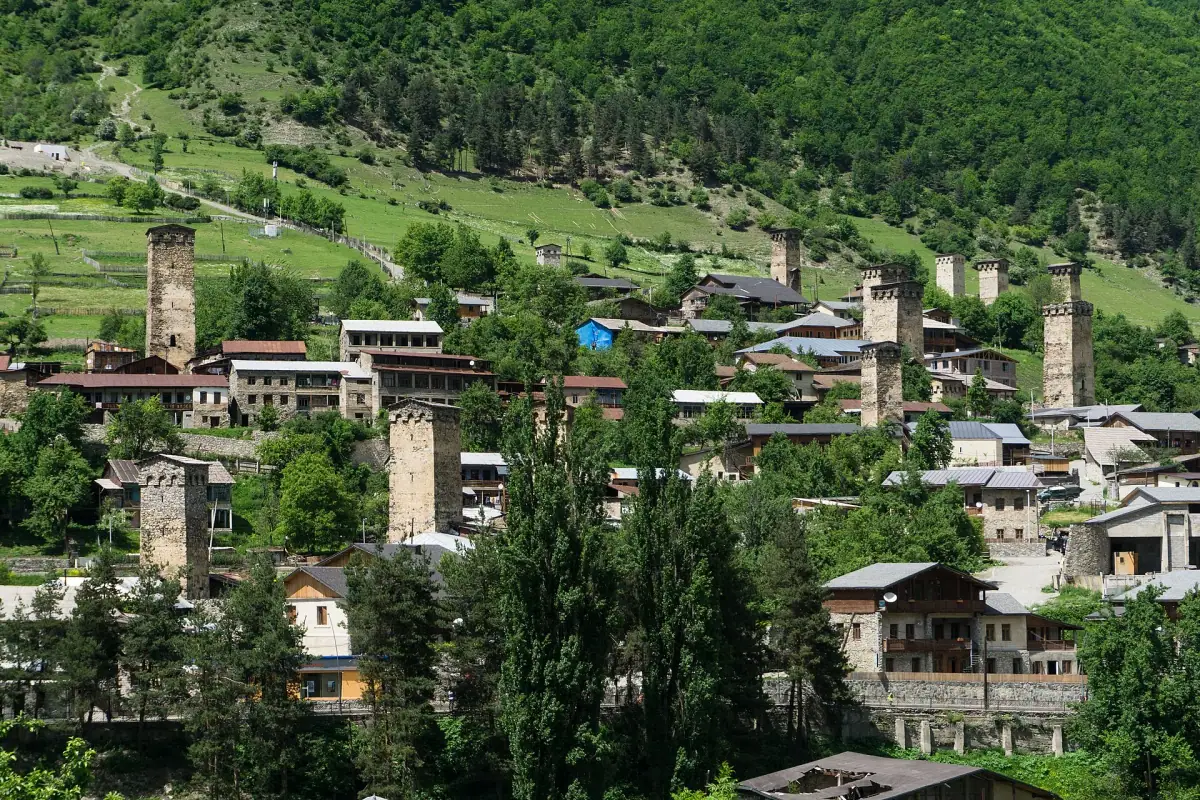
Svaneti owes its singularity to its geographic isolation. Cut off from the world for centuries by winter snows and impassable gorges, this region has preserved a unique culture, language and architectural heritage. The Svans, a Caucasian people whose culture and language differ from common Georgian, built over the course of the Middle Ages more than 200 defensive towers that still punctuate the villages of the valley today. These towers, some as tall as 25 meters (82 ft), served both as refuge against invasions and as a symbol of family prestige.
Beyond heritage, Svaneti is above all a paradise for lovers of wide-open spaces. The Caucasus range, with summits above 5,000 meters (16,400 ft) (Shkhara peaks at 5,193 m / 17,037 ft, the highest summit in Georgia), offers an exceptional playground for summer hiking and winter skiing. The quality of the light, the clean air and the wild beauty of the flowering alpine pastures make it one of the most endearing mountain destinations in Eurasia.
The Svan towers: the symbol of Svaneti
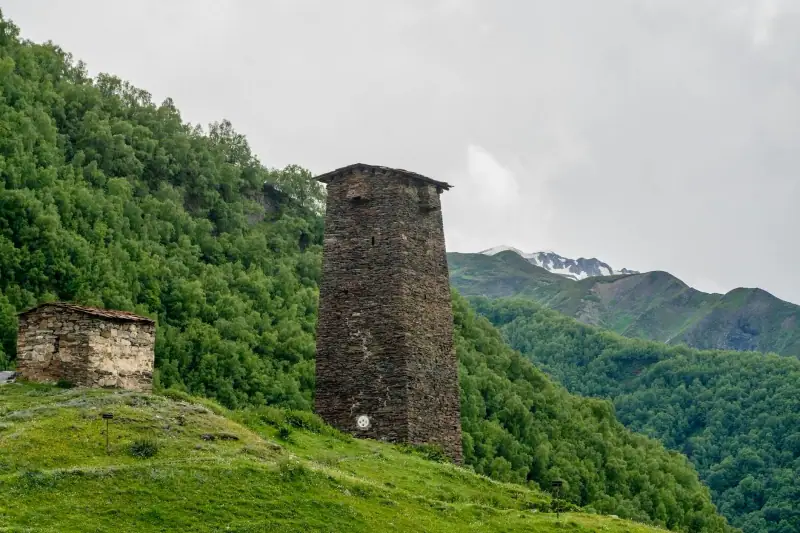
It is impossible to talk about Mestia without starting with its towers. These massive structures in local stone, built between the 9th and 13th centuries, are the emblem of Svaneti and one of the most remarkable medieval defensive architectures in the world. Listed as UNESCO World Heritage with the villages of Upper Svaneti in 1996, they bear witness to the building genius of a people who had to defend their valleys against invaders from the north.
In Mestia itself, several towers stand in the town center and adjacent neighborhoods, reachable on foot in a few minutes from the main square. Some are open to visitors and let you climb to the top for an exceptional panorama over the town and surrounding peaks. The neighboring villages (Ushguli, Adishi, Chveliani) also hold clusters of intact towers that give the impression of traveling several centuries back in time.
Tip: the evening light, when the sun skims the peaks and gilds the stones of the towers, is especially beautiful for photography. The Lanjvali district, slightly raised, offers a nice overall view of Mestia’s towers.
The Mestia History and Ethnography Museum
The national museum of Mestia is an essential visit to understand Svan culture before going hiking in the region. Its collections cover the history of Svaneti from prehistory to the 19th century, with remarkable pieces of medieval goldwork, Orthodox icons from the 10th to 14th centuries in gold and embossed silver, armor, weapons and everyday objects that tell the life of Svan families through the ages.
The icon section is especially striking. For centuries, Svaneti was a refuge for the treasures of the Georgian Orthodox Church threatened by Persian and Ottoman invasions. The icons and reliquaries kept in Mestia are among the most precious works of medieval art in the whole Caucasus.
Practical: closed on Monday; hours vary by season. Admission is between 10 and 20 GEL depending on sources: check with the museum.
Guided excursions in Svaneti
Svan towers, Ushguli trek, Chalaadi Glacier: guided visits with Svaneti specialists.
Chalaadi Glacier: an accessible hike from Mestia
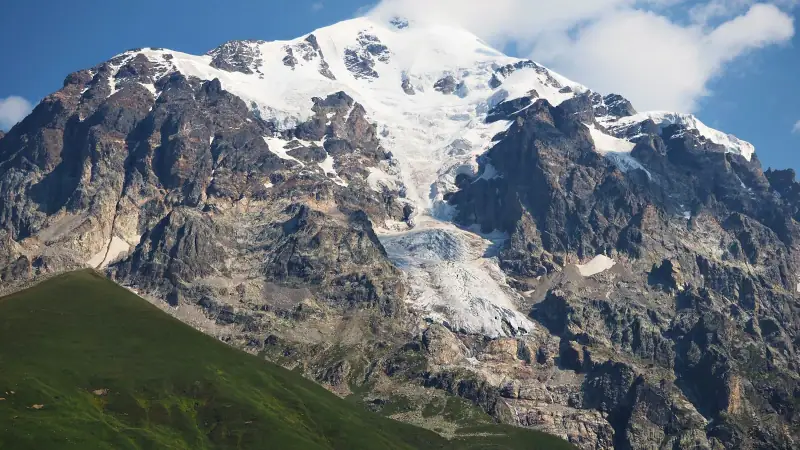
About 12-15 kilometers (7.5-9 mi) from Mestia, Chalaadi Glacier is the easiest and most accessible excursion from town. The round-trip hike from the village of Chalaadi is about 14 kilometers (8.7 mi) with a moderate elevation gain (about 350 meters / 1,150 ft) and takes 4 to 5 hours at a relaxed pace.
The trail first follows the Enguri River through a forest of birch and pine, before climbing toward the glacial moraine. Arriving in front of the blue-gray glacier tongue framed by rock walls is a memorable visual reward. The hike is marked and doable without a guide for people in good physical shape. After rain, the path can become muddy in its first part, so plan suitable shoes.
Practical: start from the parking lot of Chalaadi village (20 min by taxi from Mestia, 15-20 GEL round trip). Access to the glacier itself is sometimes restricted depending on glacial conditions. Bring water and a warm layer even in summer.
Mount Zuruldi and Hatsvali: views and high-altitude skiing
At 2,347 meters (7,700 ft), Mount Zuruldi is the best viewpoint around Mestia. A chairlift from the Hatsvali district goes up to the ski area (1,900 m / 6,230 ft), from where a trail of about 1 h 30 reaches the Zuruldi summit. From there, the circular view over the towers of Mestia below, the Chkhara and Tetnuldi massifs and the deep valleys of Svaneti is one of the most spectacular that the Caucasus Alps can offer.
In winter (December to March depending on snow), Hatsvali becomes a small ski resort whose reputation grows every year. The slopes, though limited in number, offer an authentic mountain-skiing experience against a grandiose Caucasian panorama, without the crowds of big Alpine resorts. Equipment has improved markedly in recent years: rental gear available there, affordable day passes.
Practical: Hatsvali chairlift: running in summer (hikers) and winter (skiers). Fare: about 20-25 GEL round trip. By taxi from Mestia: 15-20 GEL.
Car rental for Svaneti
A 4x4 is essential to reach Ushguli and explore Svaneti's side valleys in complete freedom.
The Mestia-Ushguli trek: the legendary route
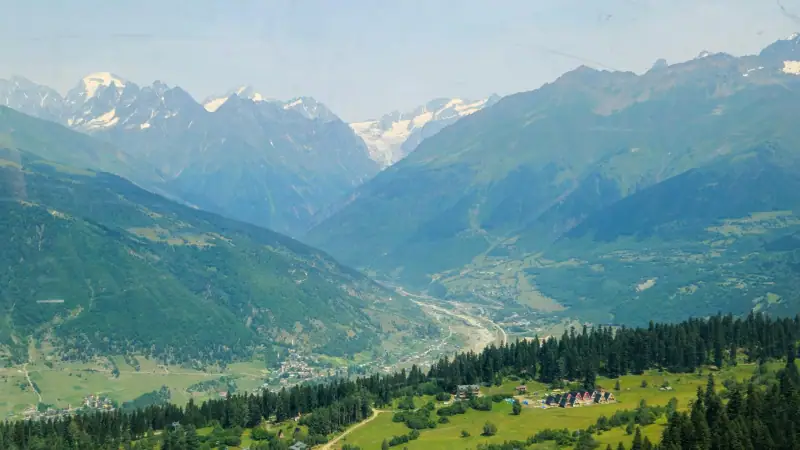
The Mestia-Ushguli trek is probably the most famous trek in the Caucasus. This 4-day route (60 km / 37 mi one way, with the option of returning by 4x4) crosses mountain landscapes of stunning beauty, linking flowering alpine pastures, snowy passes, river fords and picturesque Svan villages dotted with medieval towers.
The classic stages of the trek:
Day 1: Mestia to Zhabeshi (16 km / 10 mi, +800 m/-400 m / +2,625 ft/-1,310 ft): the first day climbs through conifer forests and open alpine pastures, winding among mountain meadows before descending to the village of Zhabeshi. Magnificent view of Tetnuldi from the heights.
Day 2: Zhabeshi to Adishi (10.6 km / 6.6 mi, +909 m/-527 m / +2,982 ft/-1,729 ft): the physical day of the trek. Gradual climb toward Adishi, with its Svan towers and its family guesthouse. In the evening, the peaks turn orange and pink on the glaciers opposite.
Day 3: Adishi to Iprari (18.7 km / 11.6 mi, +860 m/-1,069 m / +2,822 ft/-3,507 ft): ford (barefoot or with poles) of the Adishchala River at the exit of Adishi Glacier, the adventurous moment of the trek. Crossing of the Chkhunderi Pass (2,737 m / 8,980 ft), the highest point of the trek, with spectacular views of the surrounding glaciers. Arrival at the village of Iprari.
Day 4: Iprari to Ushguli (12.4 km / 7.7 mi, +400 m/-500 m / +1,312 ft/-1,640 ft): last stage toward Ushguli, along the Upper Svaneti valley. Arriving in the village, with its Svan towers facing the Shkhara glaciers, marks the end of an unforgettable mountain adventure.
What to know: porters are available from Mestia (40-60 GEL/day). Accommodation in guesthouses all along the route (meals included, 40-80 GEL/night all in). Guide recommended (50-80 GEL/day). Plan serious hiking gear and the ability to ford rivers.
Ushguli: the village at the gates of the glaciers
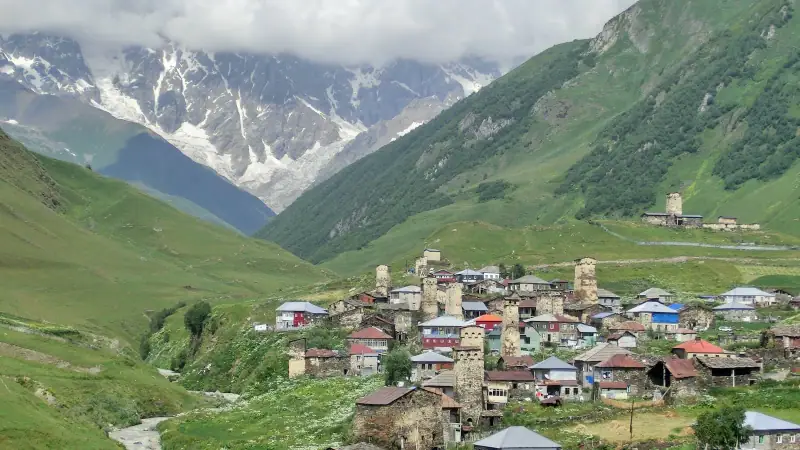
At the end of the Upper Svaneti valley, at 2,200 meters (7,220 ft), Ushguli is often presented as the highest permanently inhabited village in Europe. Made up of five villages (Zhibiani, Chvibiani, Chazhashi, Murqmeli and Lamjurishi), it holds more than 200 medieval Svan towers, notably in Chazhashi, which holds more than 200 on its own. Ushguli is listed as UNESCO World Heritage with the whole of Upper Svaneti. Behind the towers, the glacial wall of Shkhara (5,193 m / 17,037 ft, the highest summit in Georgia) dominates the landscape with overwhelming majesty.
Even without doing the trek, Ushguli is well worth the trip. The 4x4 trip from Mestia (45-60 km / 28-37 mi depending on the route, 4-5 hours) crosses landscapes of wild beauty. Once there, walking between the hamlets, visiting the Lamaria tower (a Svan chapel of the 9th-10th century) and simply sitting facing the glaciers amply justify the trip.
Practical: shared 4x4 from Mestia: fixed rate per person (about 40 GEL per trip according to some sources, to confirm locally). Accommodation is available there (family guesthouses). Bring cash (no ATM in Ushguli). The road is closed or difficult between November and May.
Places to stay in Mestia
Family guesthouses, hotels with views of the Svan towers: find where to sleep in Mestia with free cancellation.
Svan food: specialties to try
Svan cuisine stands out from classic Georgian gastronomy with more robust flavors, suited to the mountain climate and winter isolation. Kubdari is the emblem of the Svan table: a kind of khachapuri stuffed not with cheese but with a mix of meat (beef and pork) spiced with the famous Svan salt (svanuri marili), a unique condiment made of rock salt, fenugreek, pepper, garlic and mountain herbs. Aromatic and generous, kubdari comes out of the tamda oven in guesthouses and is eaten piping hot, by hand.
Svan salt is also one of the best souvenirs to bring back: sold in all Mestia markets in sachets or small jars, it transforms any dish once you are back home. Among the other must-tries: Svan khinkali (slightly different from Tbilisi’s, more herby), chvishtari (fried cornbread with cheese), and Svaneti’s smoked cow cheese, melting and fragrant.
In the evening, in guesthouses, the meal is often taken at a shared table with other travelers. A chance to taste several traditional dishes, washed down with house wine or local chacha (Georgian brandy). A culinary and human experience that is hard to forget.
How to get to Mestia
By air (recommended): the airline Vanilla Sky operates flights from Natakhtari airport (on the edge of Tbilisi) to Mestia (Queen Tamar Airport, ICAO: UGMS). Duration: about 45 minutes. Fares and flight days vary: check with the airline before planning. Flights are often canceled for bad weather, so build flexibility into your schedule. In summer, book well ahead.
By road in a marshrutka: departure from Didube bus station in Tbilisi, or from Zugdidi (a transit town in Samegrelo). The Tbilisi-Mestia trip takes 9 to 11 hours. From Zugdidi, allow 3 to 4 hours (about 130 km / 81 mi of winding mountain road). Zugdidi-Mestia fare: 35-40 GEL. Marshrutkas also leave from Kutaisi.
By rental car: the road from Zugdidi is passable in an ordinary car to Mestia, but a 4x4 is strongly recommended to explore the surroundings (Ushguli, Adishi, Ushba). Allow 3 h from Zugdidi and about 7-8 h from Tbilisi.
Tip: many travelers combine the outbound flight (Tbilisi to Mestia) with the return by marshrutka via Zugdidi, to enjoy both the speed of air travel and the beauty of the bus trip through the gorges of western Georgia.
Where to stay in Mestia
Mestia has greatly expanded its accommodation over the last ten years, while keeping most of its capacity in family guesthouses, by far the best option for local immersion.
Family guesthouses: they make up most of the accommodation. A double room with breakfast and dinner (shared table) costs 60 to 120 GEL per person. The welcome is invariably warm. Owners are a valuable source of information on trails, weather and pass conditions.
Hotels and lodges: a few more modern hotels have opened in and around Mestia, offering rooms with private bathrooms and Wi-Fi. Rates range between 120 and 250 GEL a night for a double room. Among the best rated are lodges with direct views of the Svan towers or the Caucasus peaks.
Hostels: Mestia has a few hostels for tight budgets (dorms at 25-40 GEL/night), used by an international community of hikers.
For the trek: along the Mestia-Ushguli trail, guesthouses in each stage village (Zhabeshi, Adishi, Iprari, Ushguli) offer a night plus meals for 40-80 GEL all in. Booking is recommended in high season (July-August).
Sample itinerary: 5 days in Svaneti
Day 1: arrival in Mestia:
- Flight or marshrutka from Tbilisi or Zugdidi
- Settle in at the guesthouse
- Stroll through the center, discover the Svan towers, local dinner (kubdari!)
Day 2: Mestia and its surroundings:
- Morning: History and Ethnography Museum (2 h)
- Afternoon: Hatsvali chairlift, hike toward Mount Zuruldi (panorama over Mestia)
- Evening: sunset on the towers, dinner at the guesthouse
Day 3: Chalaadi Glacier:
- Round-trip hike to Chalaadi Glacier (14 km / 8.7 mi, 4-5 h)
- Free afternoon in Mestia, local market, buying Svan salt
Day 4: excursion to Ushguli:
- Shared 4x4 from Mestia to Ushguli (4-5 hours of driving)
- Visit the hamlets and towers, walk toward the Shkhara glacier
- Lunch in Ushguli, return to Mestia in late afternoon
Day 5: departure:
- Free morning (light hike or wandering around Mestia)
- Return by marshrutka to Zugdidi then Tbilisi (or flight if available)
Mestia in a wider Georgia itinerary
Svaneti fits naturally into a 10 to 15-day circuit in Georgia. The classic pattern goes through Tbilisi (3 days), then Kakheti or Kazbegi (2-3 days), Kutaisi (1-2 days), Mestia and Svaneti (3-5 days), and Batumi (2 days). Svaneti is often seen as the highlight of the trip by those who go.
For a road trip in Georgia, Svaneti is a detour that takes time but rewards a hundredfold. The road from Zugdidi crosses landscapes of gorges and forests that are already part of the show. If you love the mountains and wild nature, do not skip this region in your hikes in Georgia.
Budget for a stay in Mestia
| Item | Indicative budget |
|---|---|
| Tbilisi-Mestia flight | check with the airline |
| Tbilisi-Mestia marshrutka | 50-60 GEL |
| Guesthouse (night + half board) | 60-120 GEL/person |
| Hatsvali chairlift | 20-25 GEL |
| Ushguli excursion (shared 4x4) | about 40 GEL/trip/person (to confirm) |
| Museum entrance | 10-20 GEL (to check) |
| Trek guide | 50-80 GEL/day |
| Restaurant meal | 15-25 GEL |
Average daily budget (all included, excluding transport from Tbilisi): 100-180 GEL per person depending on travel style. Svaneti remains very affordable compared with comparable Alpine destinations.
Flights to Georgia
Compare flights to Tbilisi or Kutaisi to start your Caucasus adventure.
Practical tips for visiting Mestia
Cash is a must: ATMs are few in Mestia (Bank of Georgia, Liberty Bank) and sometimes break down or run out of bills in high season. Withdraw cash in Zugdidi or Tbilisi before heading up. Plan enough to cover your whole stay, plus a safety margin.
Unpredictable weather: in the mountains, the weather can change radically within a few hours. Even in summer, high-altitude thunderstorms are frequent in the afternoon. Always carry a waterproof jacket, a warm layer and a windbreaker, even for a half-day hike.
Altitude: Mestia is at 1,500 m (4,920 ft), Ushguli at 2,200 m (7,220 ft). The passes of the Mestia-Ushguli trek climb up to 2,737 m (8,980 ft) (Chkhunderi Pass). Ask your doctor or a travel clinic about altitude before you go, and see the official travel health pages (CDC in the US, TravelHealthPro in the UK).
Mobile network: 4G coverage exists in Mestia but becomes very patchy as soon as you leave the village. For excursions and the trek, download offline maps (Maps.me or Google Maps) before leaving. The Wikiloc app is useful for GPS tracks of the trails. For your phone, check your carrier’s international plan or use a travel eSIM.
Language and communication: English is fairly well understood in Mestia’s guesthouses and hotels, thanks to the international flow of hikers. A few words of Russian can be useful with older generations.
Respect for Svan traditions: Svaneti is deeply attached to its traditions and culture. In villages and chapels, proper dress is expected. Ask permission before photographing residents or the inside of private towers. Svan generosity and hospitality are legendary, so appreciate them with respect.
Mestia and Svaneti are among those destinations that change a traveler. The raw beauty of the landscapes, the singularity of a culture preserved against all odds, and the authenticity of guesthouse encounters make up a mountain experience without equivalent in Europe. Once you have seen the Svan towers silhouetted against the Caucasus glaciers at sunset, you understand why this region is among the world’s great mountain destinations.
Frequently asked questions
How do you get to Mestia from Tbilisi?
Two main options: the domestic flight from Natakhtari airport (Tbilisi) to Mestia, operated by Vanilla Sky (about 45 minutes; check fares and flight days with the airline), and the marshrutka from Didube bus station (about 10-12 hours, 50-60 GEL). Many travelers combine a flight one way and a marshrutka on the return (or the reverse) to enjoy the minibus ride through the landscapes of western Georgia.
How many days do you need to visit Mestia and Svaneti?
A minimum of 3 days to explore Mestia and its immediate surroundings (Svan towers, museum, Chalaadi Glacier, Hatsvali hike). For the Mestia-Ushguli trek and a visit to the village of Ushguli, plan 5 to 7 days. Seasoned hikers who want to venture into Svaneti's side valleys can stay 10 days or more.
What is the best time to visit Mestia?
June to September, with a peak in July-August for high-mountain hikes. June is magnificent (flowering alpine pastures) but some passes may still be snowy. September offers splendid fall colors and fewer people. Winter (December-March) is ski season at Hatsvali. May and October are transitional: accessibility varies with conditions.
Is the Mestia-Ushguli trek hard?
The Mestia-Ushguli trek is rated moderate to difficult. Spread over 4 days (about 60 km / 37 mi one way), it involves daily elevation gains of 800 to 1,200 meters (2,625 to 3,940 ft) and sections on rocky or snowy terrain depending on the period. Good fitness is needed. You can shorten the trek by taking a 4x4 for part of the way, or visit Ushguli directly by vehicle from Mestia.
Do you need a guide to hike in Svaneti?
A guide is not mandatory for the marked trails around Mestia (Chalaadi Glacier, Hatsvali, Mount Zuruldi). For the Mestia-Ushguli trek and high-mountain routes, a local guide is strongly recommended: signage can be missing, the weather is unpredictable and high-altitude trails require good knowledge of the terrain. Check with agencies in Mestia.
Can you reach Ushguli by car from Mestia?
Yes, by 4x4 only, from Mestia via a mountain track passable from about June to October (about 45-60 km / 28-37 mi, 2 to 3 hours depending on conditions). The road is impassable in heavy rain or after the first snow. A shared 4x4 from Mestia is paid to the driver, in cash, at a fixed rate per person (some sources indicate about 40 GEL per trip): ask your guesthouse for the current price.
Are there ATMs in Mestia?
Yes, there are a few ATMs in Mestia (notably Bank of Georgia), but outages and shortages happen regularly, especially in high season. It is strongly advised to withdraw enough cash in Zugdidi or Tbilisi before heading up to Svaneti. Most guesthouses and restaurants only accept cash.
More Georgia guides
Keep reading
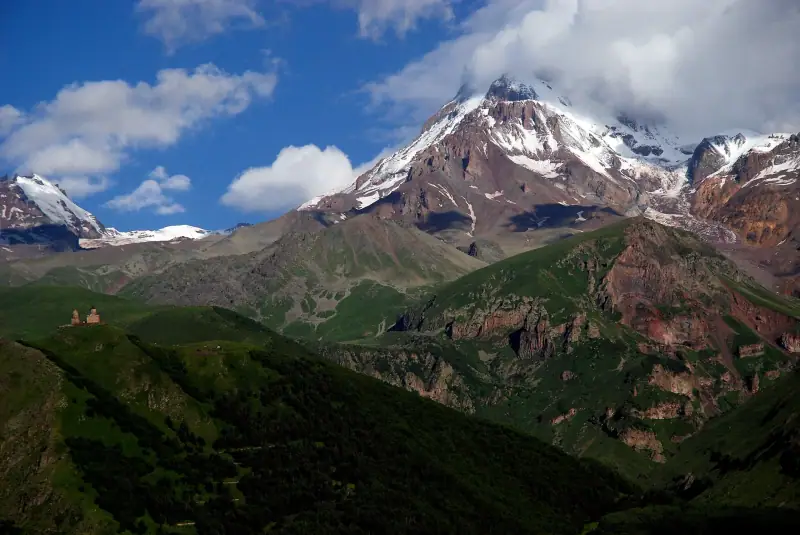
Visiting Kazbegi (Stepantsminda): a complete guide to the roof of the Caucasus
Kazbegi: Gergeti church at 2,170 m, Mount Kazbek at 5,054 m, hikes and the Georgian Military Road. A complete guide to plan your stay in Stepantsminda.
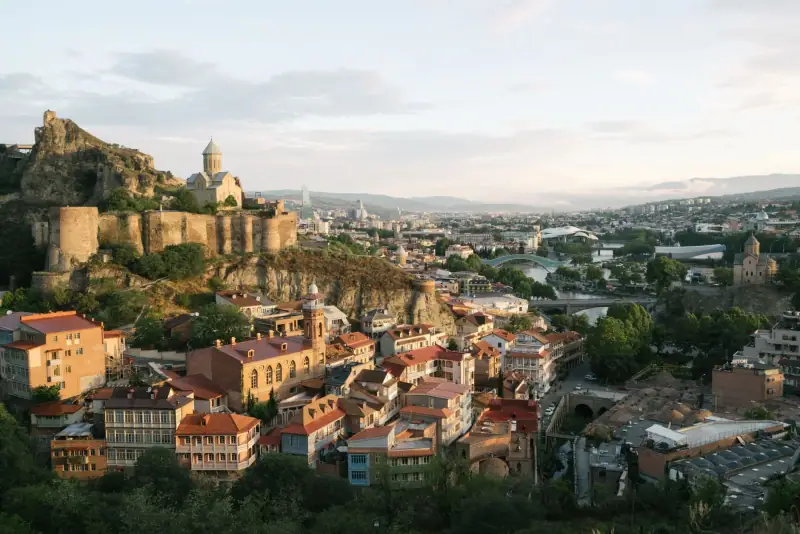
Tbilisi: the 15 must-see sights
Old town, Narikala Fortress, sulfur baths, Sameba Cathedral: the 15 must-see sights in Tbilisi.
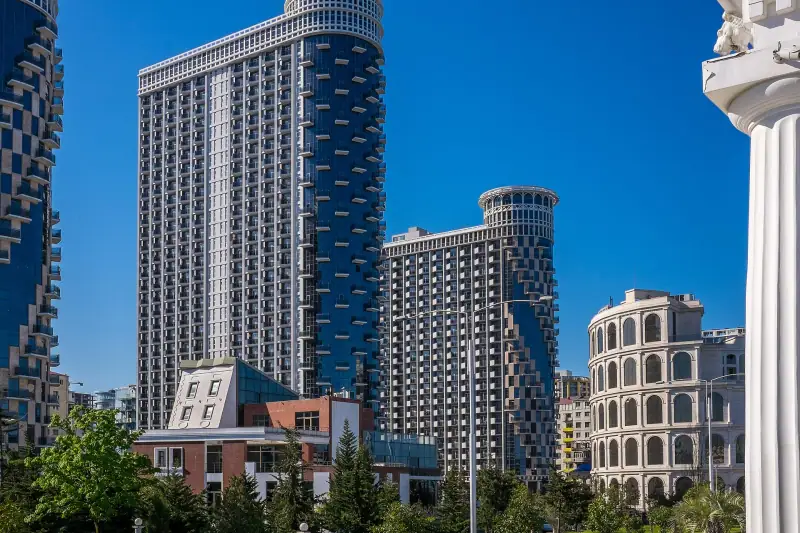
Visiting Batumi: a complete guide to the pearl of the Black Sea
Batumi, Georgia: seaside boulevard, botanical garden, old town and Adjarian food. A complete guide for your stay on the Black Sea coast.
Ready-made
Georgia itineraries
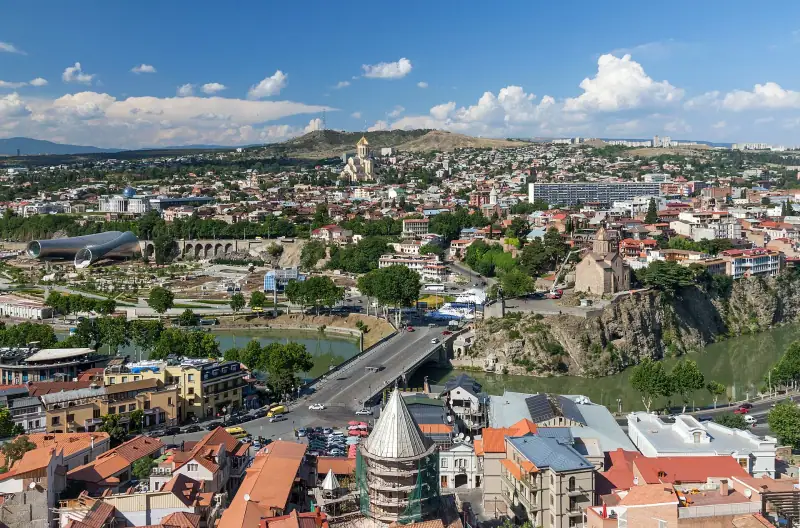
10 days
Georgia road trip: a 10-day route from Tbilisi to Svaneti
A 10-day Georgia road trip: Tbilisi, Kazbegi, Svaneti, Kutaisi and Kakheti. Detailed route, roads, places to stay and practical tips.
10 days
Georgia in 10 days without a car: a realistic itinerary by train and marshrutka
TbilisiKazbegiKutaisiMestiaBatumi
3 days
Batumi in 3 days: what to do on the Georgian Riviera
A practical guide to visiting Batumi in 3 days: beach, boulevard, old town, Botanical Garden, excursions in Adjara. Places to stay and tips.