What to see
Visiting Alta Badia: A Complete Guide to the Ladin Valley of the Dolomites
We may earn a commission when you book through links on this page, at no extra cost to you. We don't visit or try the places we cover: we summarize published sources. How we work
In short
- Alta Badia is a Ladin valley in South Tyrol, with villages between 1,300 and 1,600 m (4,265 and 5,250 ft), part of the UNESCO Dolomites.
- Winter: Sellaronda ski circuit and the Dolomiti Superski area. Summer: alpine meadow hikes, the Maratona dles Dolomites in early July.
- By car, it is about 75 km (47 mi) from Bolzano (1 h 15 to 1 h 30). Public transport is limited; a car is the most practical option.
- A day lift pass costs up to €89 (about $103) in high season 2026-2027; mountain huts (ütia) offer meals for €15-25.
Alta Badia is one of those destinations people often discover by chance, on a Dolomites road trip, around a mountain pass, and never forget. This high-altitude valley lies entirely within the autonomous province of Bolzano (South Tyrol), on the edge of the province of Belluno. It is home to a unique, centuries-old culture: the Ladin people, who still speak an archaic Romance language descended from Latin and who keep up craft, culinary and musical traditions unlike anything else in Europe.
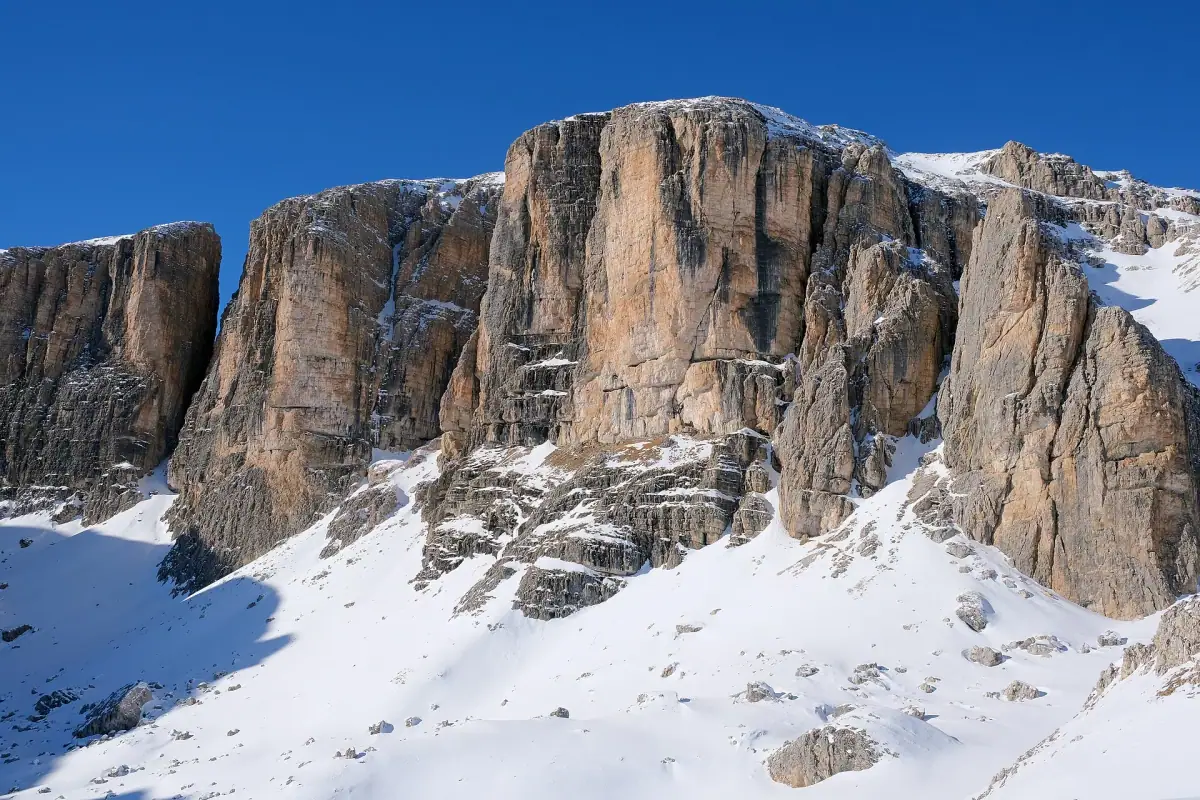
Alta Badia is also about panoramas. Its villages (Corvara in Badia, Colfosco, La Villa, San Cassiano, Badia and La Val) sit between 1,300 and 1,600 meters (4,265 and 5,250 ft) above sea level, framed by the limestone towers and cliffs of the Dolomites. Around them you find intensely green pastures in summer, impeccable snow in winter, and sunsets that turn the rock to glowing gold, a phenomenon locals call enrosadüra, literally “the rose of the mountain.”
Whether you come to ski the Sellaronda circuit, hike the Alta Via trails, enjoy the Michelin-starred cooking that made the valley famous worldwide, or simply soak up a unique atmosphere, Alta Badia delivers.
Alta Badia: geography and Ladin culture
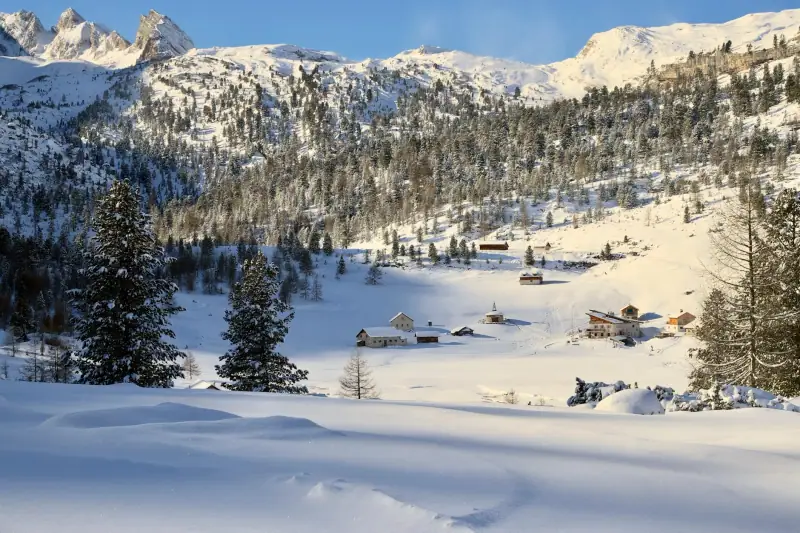
Alta Badia covers three municipalities (comuni), Corvara in Badia, Badia and La Valle, with six localities, in the autonomous province of Bolzano (South Tyrol), in the Trentino-South Tyrol region. The valley runs east to west, perpendicular to the main Val Badia, at altitudes between 1,300 m (4,265 ft) in Badia and 1,600 m (5,250 ft) in Corvara. It has been on the UNESCO World Heritage list since 2009 as part of the Dolomites.
The Ladin people
The people of Alta Badia are Ladins, a linguistic minority of roughly 30,000 to 50,000 people spread across several Dolomites valleys (Val Gardena, Val di Fassa, Fodom and the Ampezzo valley). Their language, Ladin, is a remnant of the Latin spoken in the Roman Alps before the great Germanic migrations of the Middle Ages. It is neither Italian nor German: it is a language in its own right, with its own literature, tales and songs.
In daily life, Ladins are trilingual: Ladin at home, German in trade and administration, and Italian in official dealings. Signs are posted in all three languages. This strong cultural identity shows in local museums (the Museo Ladin at Ćiastel de Tor in San Martino in Badia is one of the best), in crafts (wood carving, embroidery, pottery), and in traditional festivals such as the Karnevalrunden (Ladin carnival) or Corpus Christi processions.
Hotels in Alta Badia
Charming chalets, family hotels and luxury lodges in Corvara, San Cassiano and La Villa.
Alta Badia in winter: a skier’s paradise
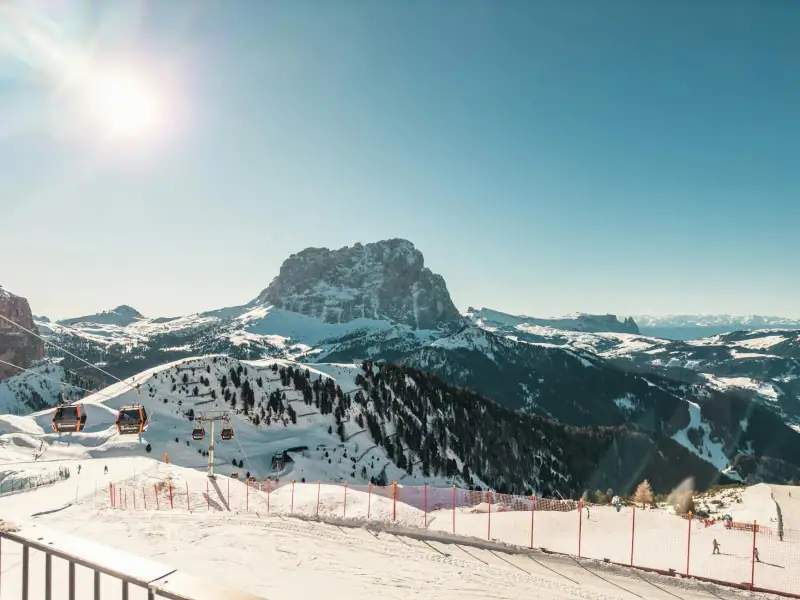
Winter is the main season in Alta Badia. The valley is linked to the Dolomiti Superski area, the largest connected ski area in the world, with more than 1,200 km (745 mi) of slopes across twelve Dolomites valleys. Above all, Alta Badia sits at a strategic point on the famous Sellaronda circuit.
The Sellaronda circuit
The Sellaronda is a circular ski tour around the Sella massif, crossing four passes: Campolongo, Pordoi, Sella and Gardena. In a single day of skiing you pass through four different valleys (Alta Badia, Val di Fassa, Val Gardena and Arabba) using ski lifts, gondolas and downhill runs. The full loop is about 40 km (25 mi) in total, of which roughly 23 to 26 km (14 to 16 mi) are skiable descents. Cumulative elevation change is not officially aggregated in the Sellaronda data.
Starting from Corvara is ideal: you reach Col Alto by gondola (1,960 m / 6,430 ft), then join the loop in the clockwise direction (recommended in the morning to avoid lines at Pordoi). Alta Badia’s slopes are known for flawless upkeep. The snow is groomed every night, and conditions stay excellent even in March.
Gran Risa: a legendary run
Every December, the Gran Risa run in La Villa hosts a round of the men’s Alpine Skiing World Cup giant slalom. This run, with 448 meters (1,470 ft) of vertical drop, a maximum pitch of about 35° and an average gradient around 20°, is one of the most technical on the World Cup circuit. Outside competitions it is open to confident skiers, a memorable experience on a slope that has seen every champion of the discipline.
Practical ski information
- Dolomiti Superski pass (high season): €89 (about $103) per adult per day in 2026-2027 (official price); weekly passes cut the cost noticeably
- Equipment rental: many shops in Corvara, Colfosco and La Villa; expect €25-40 (about $29-46) per day
- Season: generally mid-December to the end of March, depending on snow
- Shuttles: a network of free buses (ski buses) links the villages during the season
Alta Badia in summer: hiking and freedom
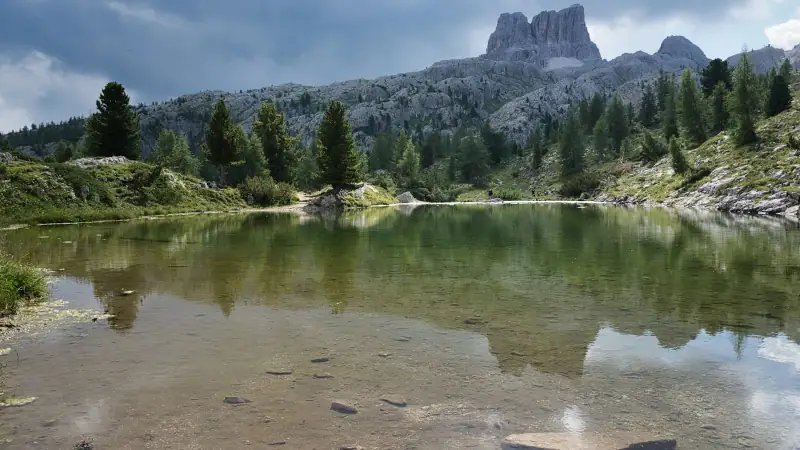
Summer turns Alta Badia into another world. The pastures fill with wildflowers (gentians, arnica, rhododendrons) and the trails winding between the Dolomite ridges fill with hikers from around the world.
The essential trails
The Armentarola trail: This grassy plateau between San Cassiano and Corvara, reachable on foot or by gondola, is one of the most photogenic alpine pastures in the Dolomites. Mountain huts (ütia in Ladin) serve traditional meals with views of the Lagazuoi massif and the Cinque Torri. The round trip from San Cassiano is about 4 hours of easy walking.
The Sella tour from Alta Badia: Starting from Corvara, a circular trail covers part of the Sella massif along Alta Via 2. The section between Passo Campolongo and the Kostner hut offers striking views of the limestone spires of the Sella group. Allow a full day for the 22 km (14 mi) loop.
The Cinque Torri (reachable from La Villa or San Cassiano, about 30 min by car): These five isolated dolomite towers rising above the forest are among the most photographed sites in the Alps. An open-air museum recalls the World War I fighting that tore through these heights. See our guide to hiking in the Dolomites for detailed routes.
The Maratona dles Dolomites
Every year in July (first week), Alta Badia hosts the start of the Maratona dles Dolomites, considered one of the most beautiful and most difficult cycling events in the world. Some 9,000 cyclists (selected by lottery from about 30,000 applications each year) set off from La Villa to ride up to 138 km (86 mi) with 4,230 meters (13,880 ft) of climbing, crossing seven legendary Dolomites passes. It is an exceptional sporting and human spectacle, even for mere spectators.
Activities and excursions in Alta Badia
Guided hikes, via ferrata, Ladin cultural visits and e-bike outings in the Dolomites.
Food: Alta Badia, the gourmet capital of the Dolomites
In two decades, Alta Badia has become one of the best-known food destinations in the Alps. The valley has a remarkable number of Michelin-starred restaurants for a population of a few thousand, and its annual event, the Sellaronda Ski Safari (now the Alta Badia Gourmet Safari), draws the world’s best chefs every winter to cook at altitude in the valley’s huts and ütia.
Traditional Ladin cooking
Before the stars, there is the local Ladin cuisine, inherited from centuries of mountain farming:
Cajinci: Half-moon pasta filled with alpine herbs (spinach, ricotta, sometimes beet), served with melted butter and shaved cheese. It is the valley’s signature dish.
Ladin Schlutzkrapfen: Close to cajinci, but with more varied fillings. Depending on the village, they are filled with potato, speck or mountain cheese.
Speck Knödel: Bread dumplings with smoked speck, served in broth or as a side, found in every hut in the valley. Filling after a day of skiing or hiking.
Ladin Kaiserschmarrn: This thick, shredded pancake served with stewed prunes or wild berry jam is the must-have dessert in mountain ütia (see where to try Kaiserschmarrn and what it costs).
Alta Badia cheeses: Graukäse (gray cheese, crumbly and strongly flavored, typical of South Tyrol) and local alpine tomme cheeses are sampled in the villages’ cheese cellars.
San Cassiano: the temple of haute cuisine
San Cassiano (Sankt Kassian) became famous in the food world thanks to the Rosa Alpina hotel and its St. Hubertus restaurant, which for years hosted chef Norbert Niederkofler and his three Michelin stars. Since 2023, the hotel has been taken over by Aman Resorts (reopened in July 2025 as Aman Rosa Alpina, without the St. Hubertus restaurant, which has not reopened), and Niederkofler opened his own restaurant, the Atelier Moessmer Norbert Niederkofler in Brunico, with three Michelin stars and 20th place on the World’s 50 Best 2025 list. His “Cook the Mountain” philosophy, built only on alpine ingredients sourced extremely locally, remains one of the most striking culinary experiences in the Dolomites.
For smaller budgets, the ütia (mountain huts run by Ladin families) serve hearty, authentic meals at reasonable prices. A barley soup with rye bread or a Kaiserschmarrn at altitude is priceless.
The villages of Alta Badia
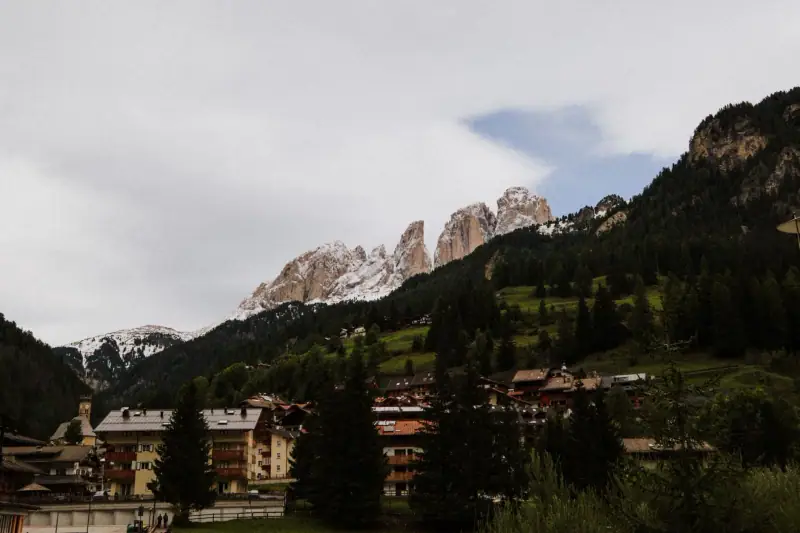
Corvara in Badia: the heart of the valley
Corvara (1,568 m / 5,144 ft) is the main village, the liveliest and the best connected to the ski area. Its center is pleasant on foot: Ladin craft shops, sports stores, sunny cafés. The Col Alto gondola (1,960 m / 6,430 ft) leaves from the village itself and opens onto the Sellaronda circuit toward Passo Campolongo.
Colfosco / Kolfuschg: the authentic one
Five km (3 mi) from Corvara, Colfosco (1,645 m / 5,397 ft) is quieter and better preserved, with typical South Tyrol wooden chalets. It is the ideal starting point for hikes toward the Sella massif and the Kostner hut, one of the best-placed in the valley, with 360° views of the Dolomites.
San Cassiano / Sankt Kassian: the food village
Tucked into a quiet fold of the valley, San Cassiano is the most discreet and most upscale village in Alta Badia. Besides the Aman Rosa Alpina, several luxury establishments have settled here. The slopes descending to San Cassiano are among the most beautiful in the valley, and, as a bonus, less crowded than those of Corvara.
La Villa / Stern: the giant slalom run
La Villa is the sportiest village in the valley, with the finish of the Gran Risa and a competition atmosphere in winter. Its 17th-century Baroque church contrasts elegantly with the surrounding ski lifts.
Car rental for the Dolomites
Essential for linking Alta Badia with the other valleys. Book ahead in high season.
Practical information for visiting Alta Badia
Getting there
By car (recommended): Alta Badia is only partly reachable by public transport. A car is the most practical option.
- From Bolzano: about 75 km (47 mi), 1 h 15 to 1 h 30 via the SS244 and SS243 (Gardena Pass in summer, Passo Campolongo in summer or Val Badia in all seasons)
- From Cortina d’Ampezzo: about 35 km (22 mi), 35 to 45 minutes via the Valparola Pass (SS244); the road is closed in winter in case of heavy snow
- From Venice (Marco Polo Airport): about 170 km (106 mi), 2 h 30 to 3 h depending on traffic
By bus: SAD Autobus (province of Bolzano) runs lines from Brunico (Bruneck) to the Alta Badia villages. From Brunico, allow about 1 h. Timetables are on the SAD website and are adapted to the ski lifts in winter.
Parking: In winter, paid parking lots (about €5 to 10, or $6 to 12, per day) are available in Corvara and La Villa. In summer, parking is easier.
When to go
| Season | Conditions | Best for |
|---|---|---|
| December - March | Guaranteed snow, resorts open | Skiing, Sellaronda, winter atmosphere |
| April | Transition, some slopes still open | Spring skiing, fewer people |
| May - June | Valley waking up, trails gradually clearing | Spring hiking |
| July - September | Flowering pastures, mild warmth (15-22 °C / 59-72 °F) | Hiking, cycling, food, Maratona (early July) |
| October | Fall colors, calm | Hiking, budget |
| November | Low season, resorts closed | Avoid, except for cultural visits |
For more on the seasons, see our guide to the best time to visit the Dolomites.
Sample budget
| Item | Estimated budget |
|---|---|
| Lodging (3-star hotel) | €120-200 (~$140-230) / night in winter |
| Lodging (3-star hotel) | €80-150 (~$93-175) / night in summer |
| Daily ski pass (Dolomiti Superski) | up to €89 (~$103) / adult (high season 2026-2027) |
| Ski rental (full equipment) | €25-40 (~$29-46) / day |
| Meal in an ütia (hut) | €15-25 (~$17-29) / person |
| Gourmet restaurant | €80-250 (~$93-290) / person |
| Car rental (from Bolzano) | €40-70 (~$46-81) / day |
Getting around the valley
In winter, free ski shuttles (ski buses) link Corvara, Colfosco, La Villa, San Cassiano and Badia every 20 to 30 minutes. This is the most practical (and eco-friendly) way to get between villages without a car in high season.
In summer, a car remains useful for exploring the passes and neighboring valleys.
Suggested itinerary: 4 days in Alta Badia
Day 1: Arrival and Corvara
- Arrive in the late afternoon and settle into your lodging
- Stroll through the center of Corvara and its Ladin craft shops
- Dinner in a village ütia: cajinci, Knödel in broth, Kaiserschmarrn
Day 2: Armentarola pasture and San Cassiano
- Morning: hike from San Cassiano to the Armentarola pasture (4 h round trip, easy)
- Lunch at the hut on the pasture with a view of Lagazuoi
- Afternoon: explore San Cassiano and its typical architecture
- Evening: if your budget allows, book well ahead at one of the village’s starred restaurants
Day 3: Sellaronda (winter) or Sella tour (summer)
- Winter: full Sellaronda loop from Corvara (full day)
- Summer: partial hike of the Sella tour from Colfosco, with a lunch stop at the Kostner hut
- Return by ski bus (winter) or on foot (summer) to Colfosco
Day 4: Colfosco and neighboring passes
- Morning: visit the quiet village of Colfosco, short morning hike toward Col de Colfosco
- Afternoon: excursion to the Cinque Torri (30 min by car) or to the Falzarego Pass and Lagazuoi (cable car in season)
- Late afternoon: back for the enrosadüra, the cliffs glowing red at sunset
Alta Badia is generous to those who take the time to stop. Between slopes and trails, between the simplicity of a mountain hut and the excellence of a starred restaurant, between the Ladin language and the Dolomite panoramas, this valley sums up everything that makes the Dolomites incomparable.
To plan your trip to the region, see our complete guide to the Dolomites and our guide to skiing in the Dolomites.
Frequently asked questions
What exactly is Alta Badia?
Alta Badia is a high-mountain valley in the province of Bolzano, in South Tyrol (northern Italy). It includes several Ladin villages, including Corvara in Badia, Colfosco, La Villa, San Cassiano, Badia and La Val, all perched between 1,300 and 1,600 m (4,265 and 5,250 ft). The valley is part of the UNESCO World Heritage Dolomites.
How do you get to Alta Badia?
From Bolzano, allow about 1 h 15 to 1 h 30 by road via the SS244 and SS243 (Gardena Pass). From Cortina d'Ampezzo, the valley is 30 to 40 minutes away via the Valparola Pass or the Falzarego Pass. There is no direct rail link: your options are a car or the SAD bus from Brunico.
Is Alta Badia suitable for families with children?
Yes. In winter, the slopes are well groomed and there are children's areas (Skiworld for the youngest) in Corvara and La Villa. In summer, the valley's hiking trails are not very technical, and the alpine pastures reachable on foot or by gondola make natural playgrounds. Ladin culture, visible in museums and traditional festivals, also fascinates children.
What is the best season to visit Alta Badia?
Winter (December to March) is the high ski season, with the Sellaronda circuit and more than 500 km (310 mi) of connected slopes. Summer (July to September) offers exceptional hiking conditions, flowering pastures and the well-known high-altitude gourmet safaris. June and October are quieter transition months, ideal for budget travelers.
Is Alta Badia expensive?
Alta Badia is one of the most upscale destinations in the Dolomites. In winter, the daily Dolomiti Superski pass costs up to €89 (about $103) per adult in high season 2026-2027 (official Dolomiti Superski price). Boutique hotels and gourmet restaurants can quickly push the bill up. That said, mountain huts (ütia) serve reasonably priced meals, and cheaper lodging exists in the smaller villages.
Do you need to speak Ladin or German in Alta Badia?
Ladin is the language of local identity, but everyone also speaks Italian and German fluently. Learning a few words of Ladin, such as 'bondi' for hello, is always appreciated; 'grazie' is the same as in Italian.
More Dolomites guides
Keep reading
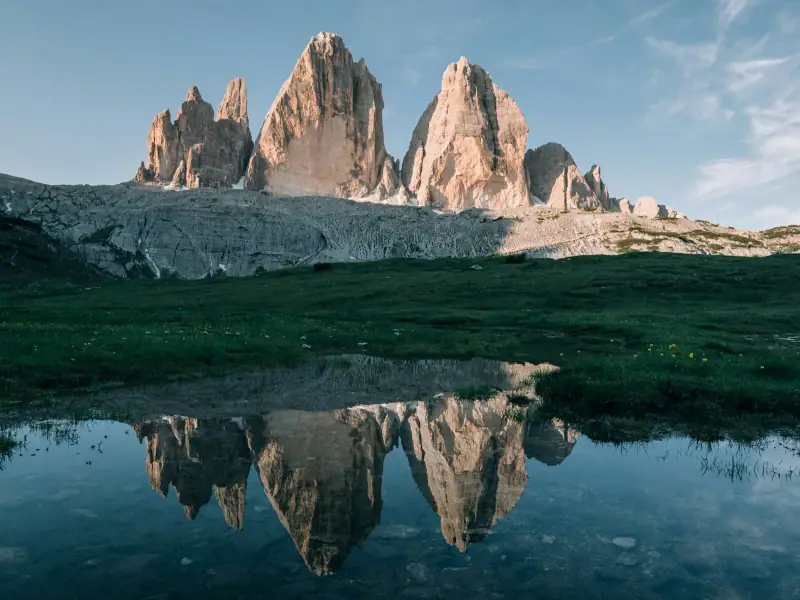
Tre Cime di Lavaredo: The Ultimate Guide to the Symbol of the Dolomites
Everything you need to visit the Tre Cime di Lavaredo: access, parking, hikes, best time of day and tips for avoiding the crowds.
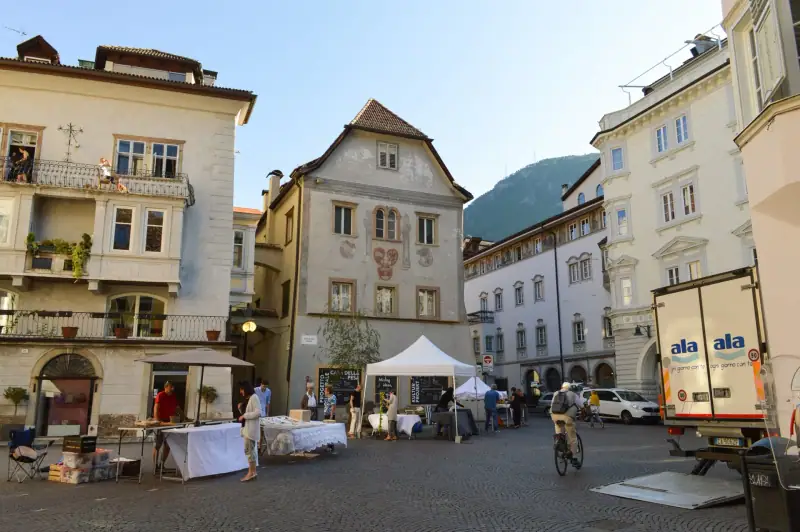
Visiting Bolzano: A Complete Guide to the Capital of South Tyrol
Visiting Bolzano: arcaded old town, Ötzi museum, Runkelstein Castle, Tyrolean food and Dolomites day trips. A complete practical guide.
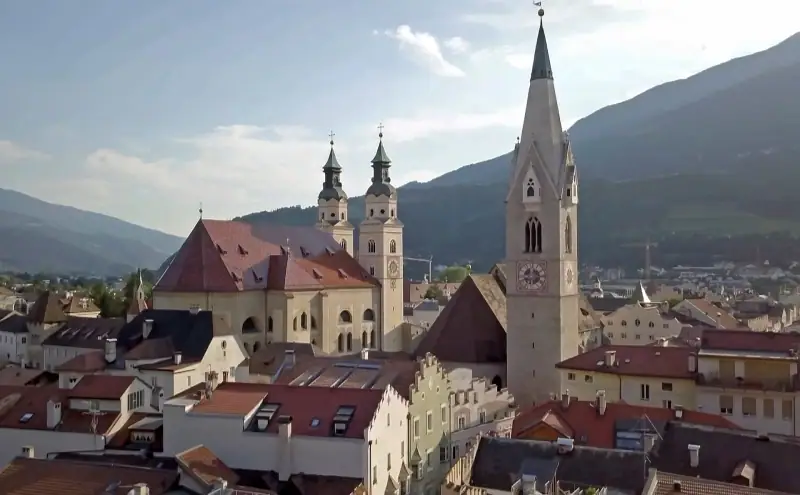
Visiting Bressanone: A Complete Guide to the Pearl of South Tyrol
Visiting Bressanone: Baroque cathedral, arcaded old town, Novacella Abbey, Plose mountain and Christmas market. A complete practical guide.
Ready-made
Dolomites itineraries
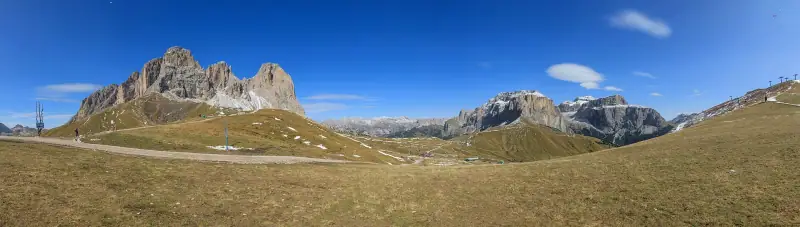
5 days
Dolomites with Kids: 5-Day Family Itinerary
Ortisei (Val Gardena)Cortina d'Ampezzo
5 days
Dolomites road trip in October: 5-day itinerary and passable roads
OrtiseiCanazeiCortina d'Ampezzo
3 days
Dolomites Weekend: A 3-Day Itinerary
A 3-day Dolomites weekend: Val Gardena, Tre Cime di Lavaredo and Alta Badia. Itinerary, lodging, budget and practical tips.