What to see
Cortina d'Ampezzo: Top Sights and Things to Do
We may earn a commission when you book through links on this page, at no extra cost to you. We don't visit or try the places we cover: we summarize published sources. How we work
In short
- Plan 2 to 3 days minimum for Cortina and its nearby sights; 4 to 5 days lets you add the Tre Cime, Passo Giau and a hike in the Tofane.
- The Freccia nel Cielo cable car climbs to the Tofana di Mezzo (3,244 m / 10,643 ft) in 3 stages and 30 minutes; round trip about €32-45 (about $37-52).
- The Cinque Torri (2,361 m / 7,746 ft) are 15 km (9 mi) from Cortina and hold a free open-air museum of the Great War.
- Faloria (2,123 m / 6,965 ft) is the easiest viewpoint for non-hikers: a 10-minute cable car ride from the center.
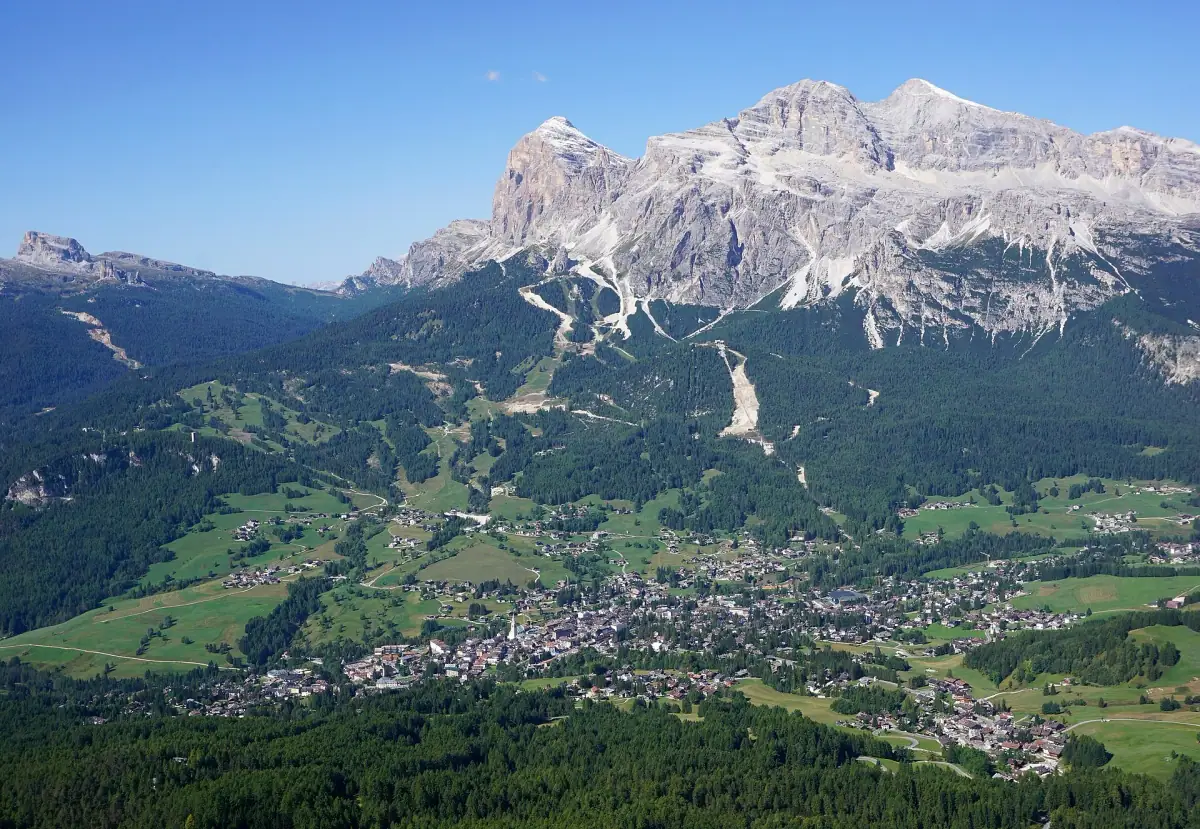
Cortina d’Ampezzo is not a ski resort like the others. Nicknamed the “Queen of the Dolomites,” this alpine town of 6,000 people perched at 1,224 meters (4,016 ft) in the Province of Belluno has shaped the image of mountain tourism for more than a century. Its setting is strikingly beautiful: the town is ringed by towers and Dolomite massifs (the Tofane to the west, the Cristallo to the northeast, the Sorapiss to the east) that turn pink and orange at the hour of the enrosadira.
Cortina hosted the Winter Olympics in 1956 (the first televised Winter Games) and co-hosted the 2026 Games (February 6 to 22) with Milan. It regularly appears in rankings of the most beautiful mountain resorts in the world. Here are the highlights.
Corso Italia: the Italian art of living
The heart of Cortina beats on Corso Italia, a 600-meter (about 2,000 ft) pedestrian street lined with elegant shops, historic cafes and lively restaurants. This is where the mountain dolce vita is lived to the fullest.
What to do on Corso Italia
Have a coffee at Bar Lovat or the Enoteca: These two places (check that they are open before you go) are said to be the meeting points of Cortina’s social life. An espresso at the counter, eyes on the Tofana, is one of the resort’s rituals.
Browse the shops: Luxury brands (Gucci, Moncler, Falke, depending on which shops are open) sit alongside local artisans (wood carvings, cheeses, aged Speck). The outdoor sports shops are among the best stocked in the Alps.
The local market (Saturday morning): Local producers, mountain cheeses, alpine flowers and handmade goods. An authentic way to soak up local life.
The tower of the Basilica Minore dei Santi Filippo e Giacomo
The Baroque bell tower of the Basilica Minore dei Santi Filippo e Giacomo is the emblem of Cortina. Its orange silhouette stands out against the blue sky and the gray walls of the Dolomites in millions of photos. The view from the church steps over the town and the mountains is free and splendid.
Hotels in Cortina d'Ampezzo
From grand hotels to charming chalets, every budget.
The Tofana di Mezzo and the Freccia nel Cielo
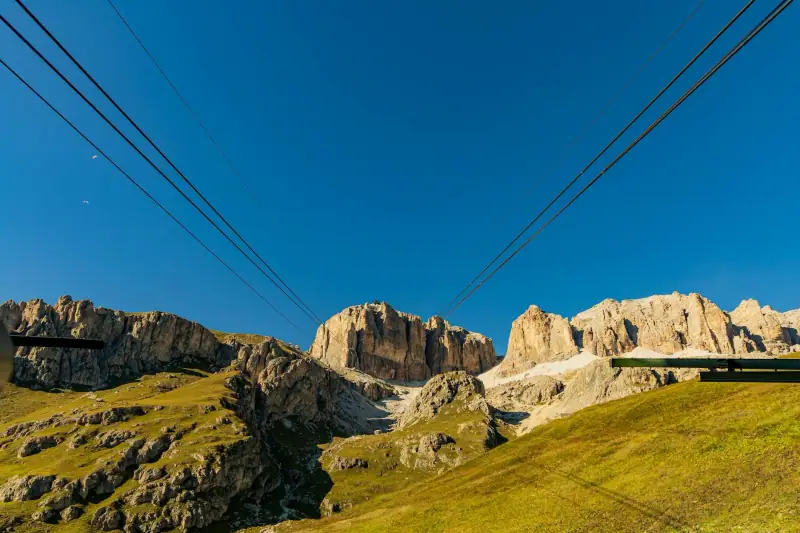
The Tofana di Mezzo (3,244 m / 10,643 ft) is the summit that looms directly over Cortina. The Freccia nel Cielo (“Arrow in the Sky”) cable car takes you in three stages up to 3,244 meters, for one of the most breathtaking panoramas in the Eastern Alps.
What you see from the top:
- The whole of the Dolomites (Marmolada, Tre Cime, Pale di San Martino, Civetta)
- The Austrian Alps to the north
- The Venetian plain all the way to the Adriatic Sea on a very clear day
Practical info:
- Cable car ride: 3 stages, 30 minutes
- Adult round-trip fare: about €32-45 (about $37-52); check the season’s price list on freccianelcielo.com
- Opening: in summer, from about mid-June to the end of September (dates to confirm each year on freccianelcielo.com); the lift also reopens for the ski season
In winter, the Tofana is one of Cortina’s most demanding ski areas: the World Cup run and the Olympic downhill (Stadia) start from its heights.
The Cinque Torri: history and views
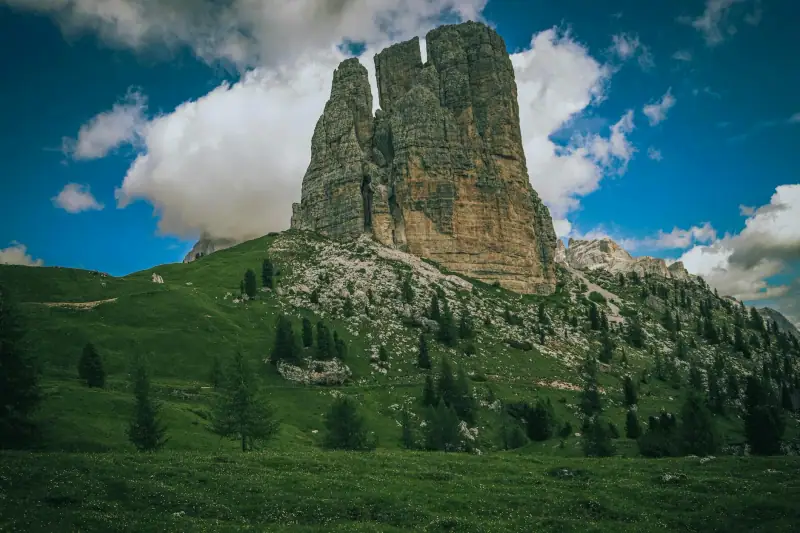
Fifteen kilometers (9 mi) from Cortina, the Cinque Torri (Five Towers, 2,361 m / 7,746 ft) are a unique sight: five rock towers rise from an open pasture, with views of Cortina, the Sella group and the Marmolada. The site is also steeped in military history.
The open-air Great War museum
The trenches, casemates and tunnels dug by Italian and Austrian soldiers from 1915 to 1918 have been carefully restored. This open-air museum (free) plunges you into the living conditions of soldiers at altitude, above 2,000 meters (6,562 ft). A striking experience.
Getting to the Cinque Torri:
- By car from Cortina via the Passo Falzarego (15 km / 9 mi)
- By chairlift from Col Gallina (free parking)
- Hiking from the Passo Falzarego (2 h round trip)
Cristallo and Faloria
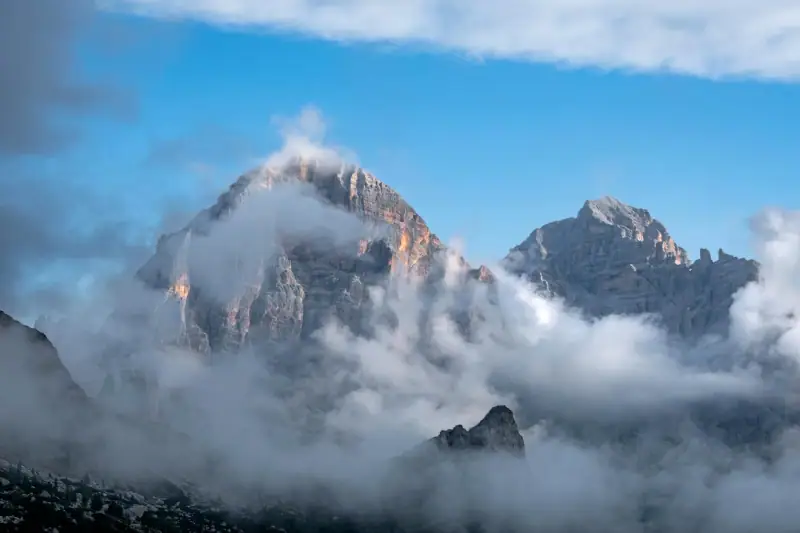
Cristallo (2,931 m / 9,616 ft)
Northeast of Cortina, the Cristallo massif is reached by the Rio Gere - Son Forca chairlift. In summer, fine hikes follow the limestone walls between permanent snowfields and flowering pastures. In winter, the Cristallo offers very scenic blue and red runs.
Faloria (2,123 m / 6,965 ft)
The Faloria cable car leaves from the center of Cortina and climbs to 2,123 meters in 10 minutes. At the top are a viewing platform, a restaurant and the start of several easy hikes. It is the most accessible site for non-hikers who want to enjoy the view.
Culture in Cortina
Museo delle Regole
The Museo delle Regole is Cortina’s main cultural institution. It holds a remarkable collection of modern art (Filippo de Pisis, Fausto Pirandello, Carlo Carrà), local archaeology and natural history. The setting, in an old building on the central square, is pleasant.
Museo Olimpico
For fans of sports history, the Museo Olimpico is devoted to the history of the 1956 Games (the first televised Winter Olympics) and the 2026 Games; check its current content and hours with the tourist office. Photo archives, period equipment and anecdotes about the athletes.
Lake Misurina and the Tre Cime
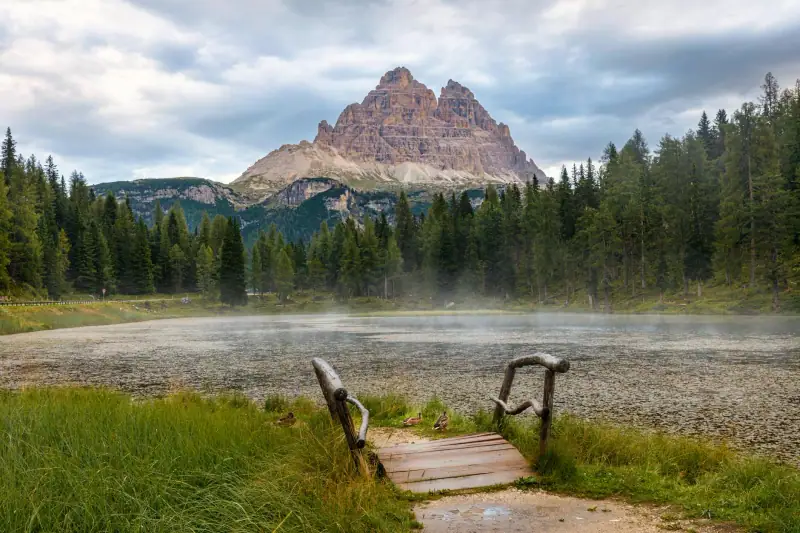
About 15 km (9 mi) from Cortina, Lake Misurina (1,756 m / 5,761 ft) is one of the most beautiful mountain lakes in the Dolomites. From its shores, the view of the Sorapiss peaks and the start of the road to the Tre Cime is magnificent. An essential stop on the way to the Tre Cime di Lavaredo.
Cortina events calendar
- February 2026: Winter Olympics (February 6 to 22; women’s Alpine events: downhill, super-G, slalom, giant slalom, combined)
- July: Cortina Summer Edition (music festival, fashion shows)
- August: Cortina Ampez Photo Festival
- December: Cortina Christmas (lights, Christmas market)
Practical tips for visiting Cortina
- Come on a weekday in high season: fewer people than on weekends
- Mornings in the mountains, afternoons in town: ideal for enjoying both sides of Cortina
- Paid parking in the center: bring coins, and the lots along Corso Italia are often full
- Resort shuttles: free shuttles run between hotels and cable cars in ski season
- Shopping: shops on Corso Italia are generally open from 9 am to 1 pm and 3:30 to 7:30 pm (hours vary by season; check locally)
Frequently asked questions
How many days do you need to see Cortina d'Ampezzo?
At least 2 to 3 days to enjoy Cortina and its close surroundings (Cinque Torri, Lagazuoi, the town center). 4 to 5 days let you add the Tre Cime, Passo Giau and a hike in the Tofane.
Is Cortina d'Ampezzo only for athletes?
No. Cortina is also a cultural and food destination. The museums (Olimpico, Regole), shopping on Corso Italia, the starred restaurants and the views reached by cable car will appeal to non-athletes.
Did Cortina host the 2026 Winter Olympics?
Yes. The Milan-Cortina Winter Olympics ran from February 6 to 22, 2026, and Cortina d'Ampezzo co-hosted them with Milan. It hosted the women's Alpine skiing events (downhill, super-G, team combined, giant slalom, slalom) on the Olympia delle Tofane runs.
Are there cultural visits in Cortina?
Yes. The Museo delle Regole (modern art and local history), the Museo Olimpico (devoted to the Games; check its current content and hours with the Cortina tourist office) and the Great War museum (Cinque Torri) are interesting cultural visits.
Can you reach Cortina by public transport?
Cortina can be reached by bus from Venice (about 2 h 45 to 3 h) and from Bolzano (duration varies with the connection; check with the carriers). In town, shuttles serve the cable cars and sights. A car is still recommended for excursions in the area.
More Dolomites guides
Keep reading
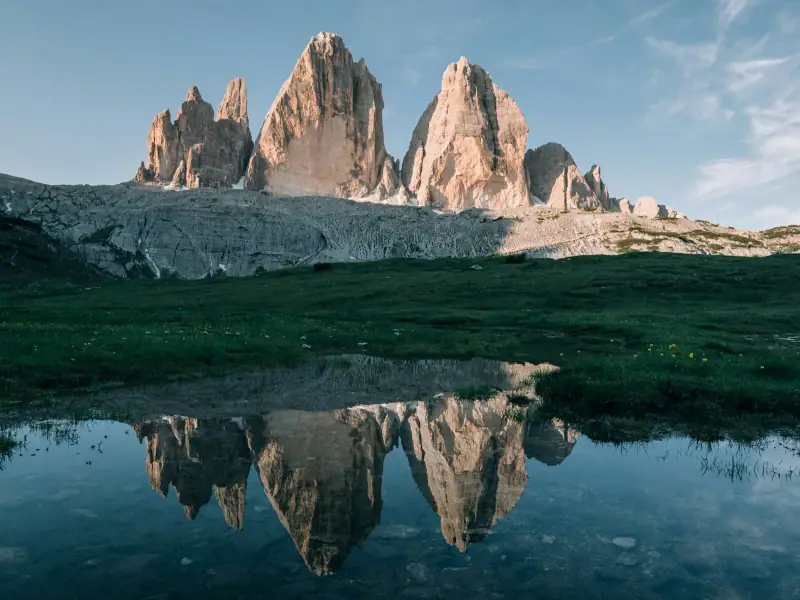
Tre Cime di Lavaredo: The Ultimate Guide to the Symbol of the Dolomites
Everything you need to visit the Tre Cime di Lavaredo: access, parking, hikes, best time of day and tips for avoiding the crowds.
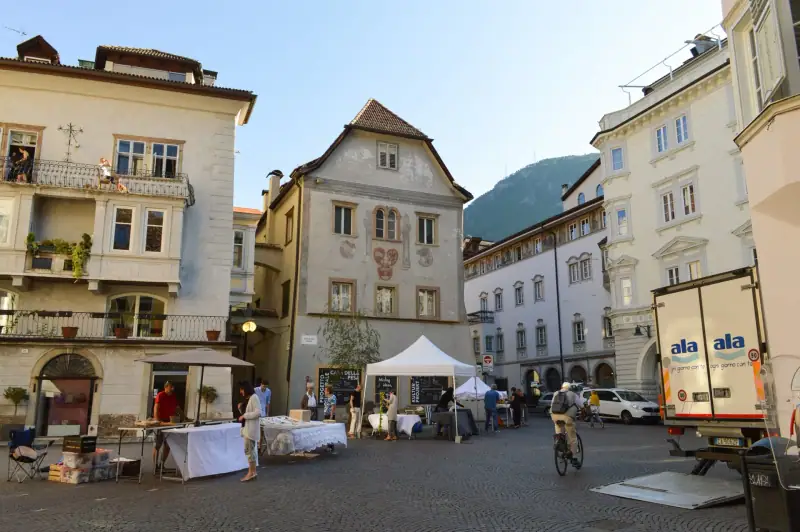
Visiting Bolzano: A Complete Guide to the Capital of South Tyrol
Visiting Bolzano: arcaded old town, Ötzi museum, Runkelstein Castle, Tyrolean food and Dolomites day trips. A complete practical guide.
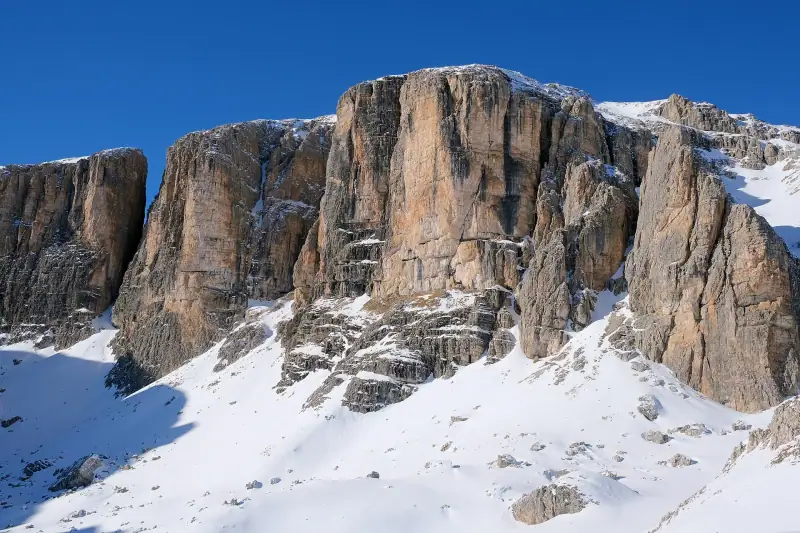
Visiting Alta Badia: A Complete Guide to the Ladin Valley of the Dolomites
Alta Badia: Sellaronda skiing, high-altitude hikes, Michelin-starred dining and Ladin culture. Guide to Corvara, Colfosco and San Cassiano.
Ready-made
Dolomites itineraries
5 days
Dolomites with Kids: 5-Day Family Itinerary
Ortisei (Val Gardena)Cortina d'Ampezzo
5 days
Dolomites road trip in October: 5-day itinerary and passable roads
OrtiseiCanazeiCortina d'Ampezzo
3 days
Dolomites Weekend: A 3-Day Itinerary
A 3-day Dolomites weekend: Val Gardena, Tre Cime di Lavaredo and Alta Badia. Itinerary, lodging, budget and practical tips.