Itineraries
Santorini in 3 days: a complete itinerary through the caldera, ancient sites and beaches
We may earn a commission when you book through links on this page, at no extra cost to you. We don't visit or try the places we cover: we summarize published sources. How we work
Day by day
- Day 1Fira, Prehistoric Thera museum, ridge path to Imerovigli
- Day 2Boat trip to Nea Kameni volcano, then Oia
- Day 3Akrotiri site, beaches, east coast, wine tasting
Weather through the year on this route
| Jan | Feb | Mar | Apr | May | Jun | Jul | Aug | Sep | Oct | Nov | Dec | |
|---|---|---|---|---|---|---|---|---|---|---|---|---|
| High °F (°C) | 5412 | 5513 | 5915 | 6619 | 7725 | 8630 | 9032 | 9032 | 8228 | 7323 | 6418 | 5714 |
| Low °F (°C) | 457 | 457 | 468 | 5211 | 5915 | 6820 | 7222 | 7323 | 6820 | 6116 | 5412 | 468 |
| Rain in (mm) | 2.460 | 2.255 | 2.255 | 1.230 | 0.820 | 0.615 | 0.410 | 0.410 | 1.025 | 1.845 | 3.075 | 3.180 |
Normals 1991–2020 at Athens: averages over 30 years, not a forecast. Source: NASA POWER (MERRA-2), grid of about 50 km. Figures computed by us in November 2026.
In short
- Three days cover the essentials: Fira to Imerovigli on day 1, the volcano and Oia on day 2, Akrotiri, black beaches and vineyards on day 3.
- A car is not essential: buses leave Fira's bus station for Oia, Akrotiri, Kamari and Perissa, and taxis fill the gaps.
- Arrive at Oia two to three hours before sunset; Imerovigli is often calmer for the same view.
- May, June, September and early October balance weather, crowds and prices; July and August are the hottest and busiest.
Santorini is one of the most photographed islands in Greece, and yet it can be visited very well in three days. Its crescent shape, inherited from a huge volcanic eruption in antiquity, packs villages clinging to the cliff, a Bronze Age archaeological site, volcanic sand beaches and vineyards unique in Greece into a few dozen kilometers.
This itinerary is designed for a first stay. It alternates highlights and calmer moments, avoids pointless back-and-forth and leaves room for the sunset, which remains one of the island’s biggest draws. Journeys are short, but crowds can lengthen them in summer, so always allow extra time. To pick the best season, see our guide when to go to the Cyclades.
Day 1: Fira, Firostefani and Imerovigli
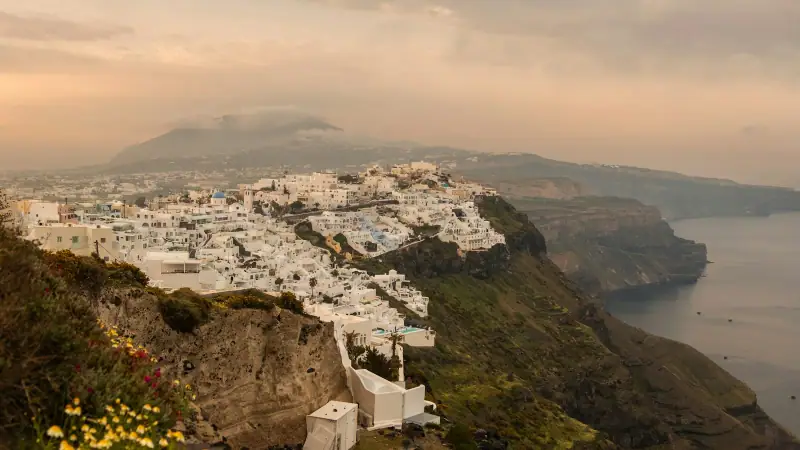
Start with the island’s capital. Fira stretches along the cliff edge, facing the caldera, with its shopping lanes, terraces and blue-domed churches. It is also the departure point for most of the island’s buses, which makes it a practical base for what follows.
In the morning, stroll the lanes before the groups landing from cruise ships arrive. The first hours of the day are the most pleasant: the light is soft, the terraces are empty and the heat is still bearable. Continue to the Museum of Prehistoric Thera, which presents objects from the Akrotiri excavations among other things, and is a good introduction to the day 3 visit.
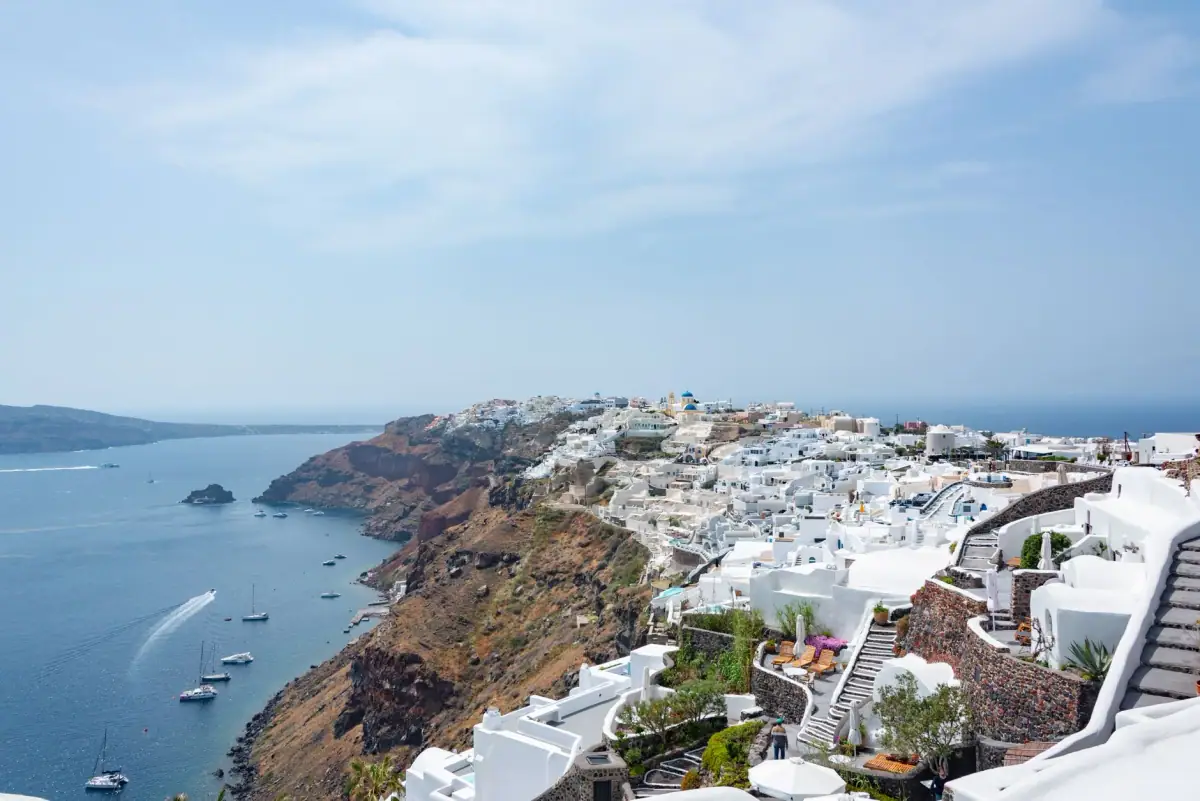
In the afternoon, walk north on the ridge path. From Fira you cross Firostefani, then Imerovigli, where the houses overlook the caldera from the highest point of the cliff. The walk is easy but exposed to the sun: bring water, a hat and good shoes. The views of the volcano and the islets of the caldera justify the detour on their own.
End the day in Imerovigli, often calmer than Oia for watching the sun go down over the sea. If you are unsure which area to stay in, our comparison where to stay in Santorini helps you choose between Fira, Imerovigli and Oia.
Compare hotels and apartments in Fira, Imerovigli or Oia: caldera view, pool, guest rating and budget.
Day 2: the volcano, the caldera and Oia
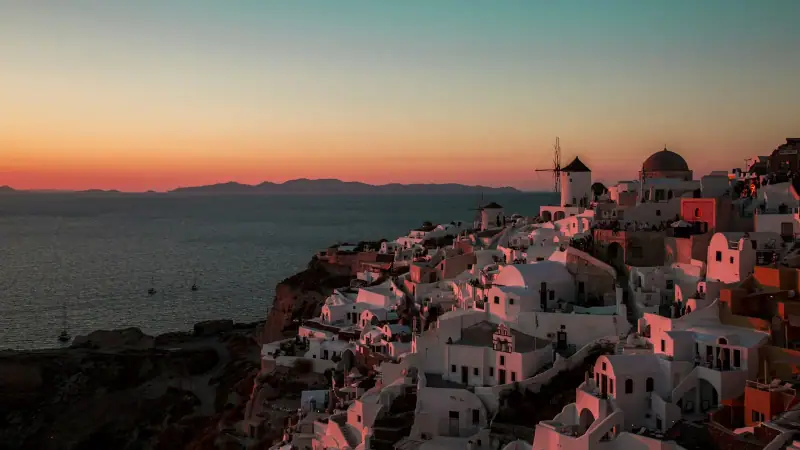
The second day is devoted to the sea and the north of the island. The Nea Kameni volcano, in the middle of the caldera, is the classic big excursion: you reach it by boat from Fira’s old port or from other ports on the island, then climb on foot to the crater on a dark rock trail. The island is a tangible reminder of the volcanic activity that shaped Santorini and has not entirely died out.
Many excursions combine the volcano with a swim near hot springs and a stop on another island of the caldera. Sailboat or catamaran trips sometimes include a sunset at sea. Book ahead in high season, as spots go fast.
Discover boat or catamaran cruises around the volcano, with swimming and sunset depending on the option.
In the late afternoon, go to Oia, about ten kilometers (about 6 mi) from Fira, by road (bus or taxi) or, for walkers, by the ridge path. The village is famous for its white houses and homes carved into the rock, but also for the crowd that gathers at sunset.
To enjoy Oia without the crush, arrive two to three hours before sunset, visit the lanes in the golden light, then settle early at a viewpoint. The castle ruins at the end of the village are very popular: if the spot is packed, another balcony on the cliff will do very well. After sunset, the crowd disperses quickly and the lanes regain some calm: this is the right time for dinner.
Plan your return: buses become scarcer in the evening and taxis are in high demand right after sunset. Booking a transfer or agreeing a return time in advance saves a lot of hassle.
Day 3: Akrotiri, black beaches and vineyards
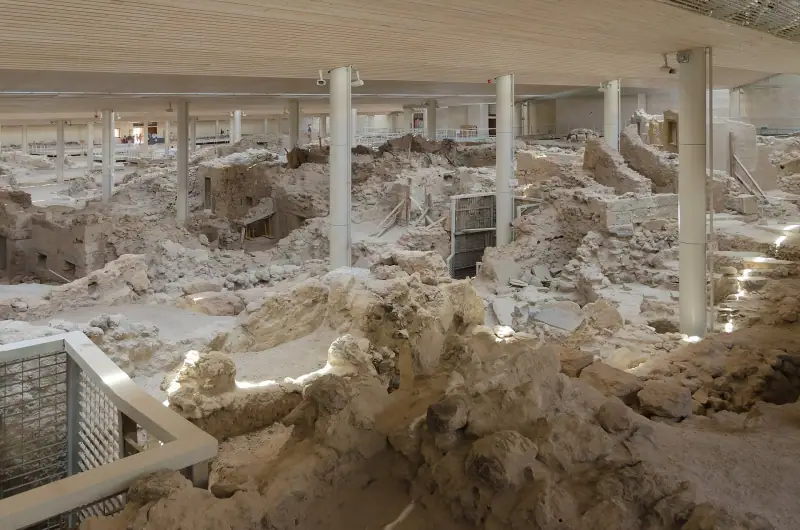
For the last day, head south and east. The Akrotiri archaeological site is the island’s top cultural sight. This Bronze Age city was buried under the ash of the volcanic eruption, which preserved multi-story buildings, streets and frescoes. It is sometimes compared to Pompeii, although it is several centuries older. The visit takes place under a large protective roof: allow one to two hours. Check the opening hours and any closures before you go, as they vary with the season.
Not far away, Akrotiri’s red sand beach is a spectacular setting, surrounded by reddish cliffs. Access is by a small path, and the local authorities have already restricted access to some areas because of rockfall risks: respect the signs and barriers. If the beach is closed or too crowded, other beaches on the south and southeast coast are easier to reach.
Then continue to the east coast, with its long pebble and black sand beaches, such as Kamari and Perissa. The volcanic rock stores heat: the pebbles can be scorching in midsummer, so bring sandals. These beaches are developed, with seaside restaurants, and are well suited to a swimming break. It is also the most affordable area to stay in.
Visit one of the island's wineries and taste wines from vines grown on volcanic soil, in the late afternoon.
In the late afternoon, head inland. The island is known for its low vines, pruned in a crown or basket shape to withstand the wind and preserve soil moisture. The emblematic grape is assyrtiko, which gives a dry, mineral white wine. Several wineries offer tastings with a view, often with a sunset as the backdrop. The interior villages, such as Pyrgos and Megalochori, are a welcome contrast with the caldera crowd: quiet lanes, small squares and open views.
Getting around during these three days
Santorini offers several ways to get around, which combine well depending on the day.
- Bus: it serves the main villages and beaches from Fira. It is inexpensive, but timetables are limited in the evening and buses are often packed in summer.
- Taxi: practical but expensive in high season. It is better to agree on the price before leaving or to book in advance.
- Scooter or quad: popular on the island, they call for caution: winding roads, dense traffic, loose gravel. Check that your license is valid for the vehicle you choose.
- Rental car: more comfortable for day 3 and for reaching distant beaches. Book it ahead for high season, and park early in Oia and Fira, where spaces are scarce.
Walking remains the best way to enjoy the caldera: the cliffside trails offer exceptional views, provided you set off early in the morning or late in the day to avoid the heat.
Practical tips for your stay
When to go? May, June, September and early October offer a good balance of pleasant weather, reasonable crowds and prices lower than in midsummer. July and August are the hottest and busiest months.
What should you budget? Santorini is one of the most expensive islands in the Cyclades, especially for accommodation with a caldera view. To cut the bill, stay on the east coast or in the interior villages, and book early.
What to pack? Comfortable shoes for the stairs and trails, sun protection, a hat, a swimsuit and a small water bottle. The wind can pick up on the cliff: a light jacket is useful in the evening.
Going further? If you have more time, you can add a beach day or an excursion to another Cyclades island.
Compare flights to Santorini, direct or with a stop in Athens, depending on the season.
Itinerary recap
- Day 1: Fira, Museum of Prehistoric Thera, ridge path to Imerovigli and sunset.
- Day 2: boat trip to the caldera volcano, then late afternoon and evening in Oia.
- Day 3: Akrotiri site, beach, east coast and wine tasting in the interior.
This sequence limits travel and leaves you flexibility: in bad weather, you can swap days 2 and 3, since the archaeological site visit is easier to fit on a windy day than the boat trip.
Frequently asked questions
Are three days enough to visit Santorini?
Yes, to see the essentials. The island is small: the road between Fira and Oia or between Fira and Akrotiri takes less than half an hour by car when traffic is light. Three days let you combine the caldera villages, an archaeological site, a boat trip and a moment at a beach or vineyard.
Do you need to rent a car for this itinerary?
It is not essential. Buses leave from Fira's bus station for Oia, Akrotiri, Kamari and Perissa, and taxis complete the network. A car or scooter mainly makes the days in the south and the interior easier, but parking is difficult in Oia and Fira in high season.
Where can you watch the sunset in Santorini?
Oia is the most famous spot, but also the busiest. Imerovigli and the ridge path between Fira and Oia offer comparable views with fewer people. Arrive well before sunset to find a spot.
Can you swim in Santorini in October?
Yes, the sea generally stays pleasant until October, as it has stored up the summer's heat. Some beach businesses gradually close at the end of the season, and ferries and excursions become less frequent from late October.
What is the best base for a three-day stay?
Fira or Imerovigli are central bases, with good bus access and views of the caldera. Our comparison of the villages details the advantages of each area so you can choose according to your budget and pace.
More Cyclades guides
Keep reading
Hiking in the Cyclades: the best trails, island by island
Where to hike in the Cyclades? Santorini caldera, Paros Byzantine road, Mount Zas on Naxos, Folegandros, Amorgos: trails, seasons and tips.
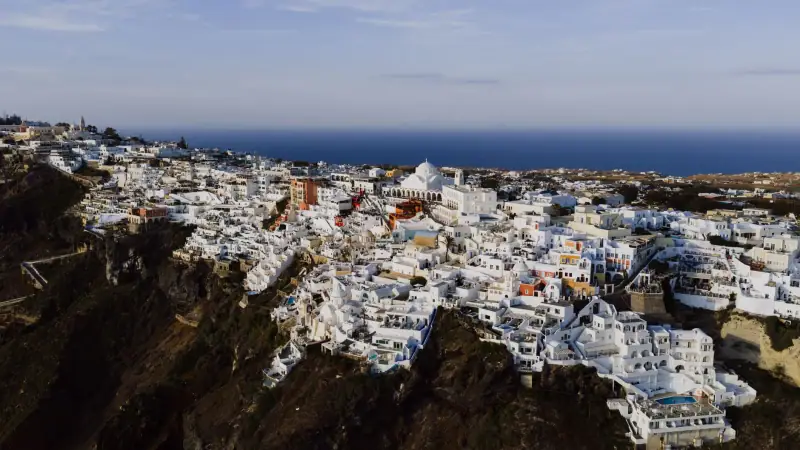
Cyclades budget: what a trip costs, item by item (3 profiles)
Cyclades budget: costs for accommodation, ferries, meals and activities, three priced profiles (smart, standard, comfort) and tips to spend less.
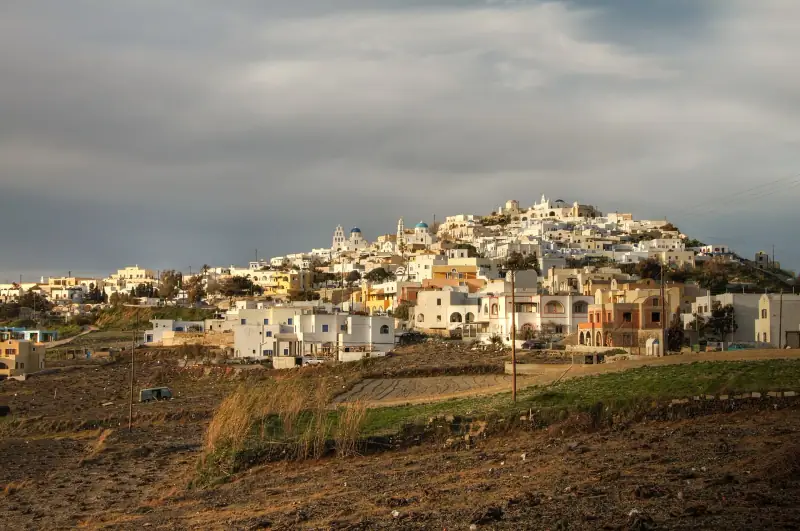
Pyrgos in Santorini: is it worth the detour without a car?
Pyrgos Kallistis without a car: bus from Fira, kasteli, lanes, tavernas, sunset and tips for a half-day visit or an overnight stay.
Ready-made
Cyclades itineraries
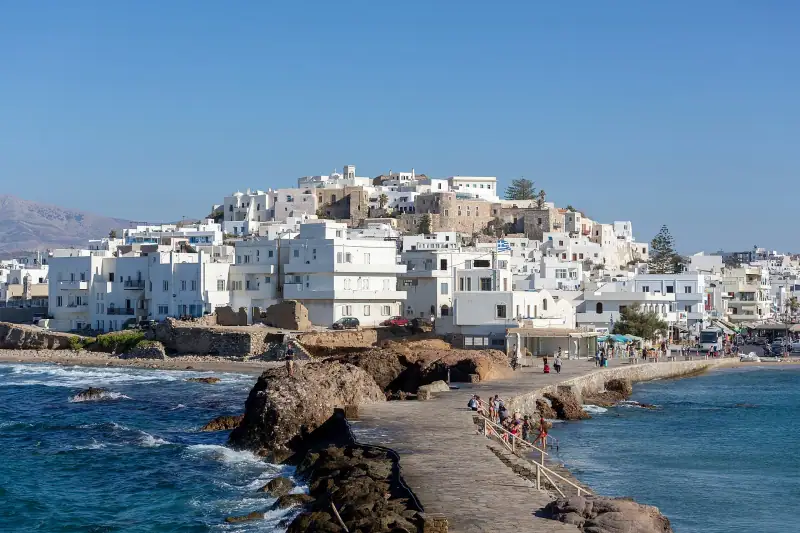
7 days
Naxos and Paros in 7 days: a detailed itinerary for two
Naxos ChoraParos
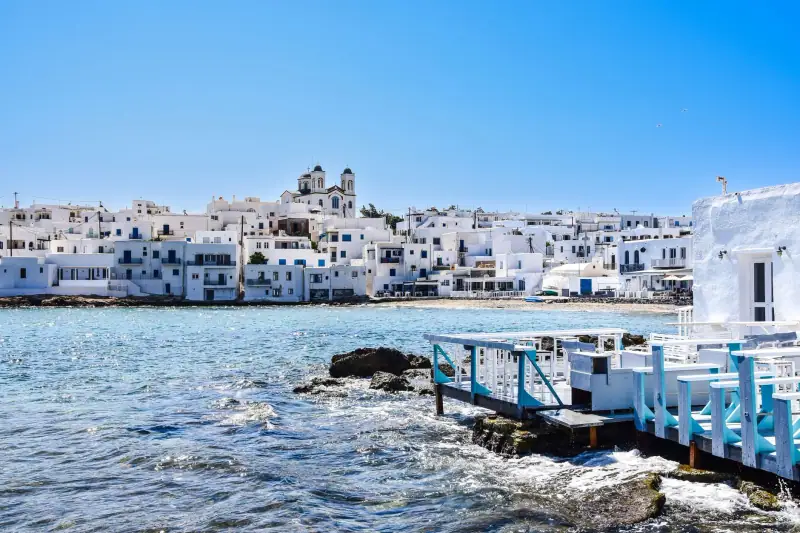
10 days
10 days in the Cyclades: Paros, Naxos and Santorini, island by island
ParosNaxosSantorini