Plan your trip
Best time to visit Croatia: a month-by-month guide
We may earn a commission when you book through links on this page, at no extra cost to you. We don't visit or try the places we cover: we summarize published sources. How we work
In short
- June and September are the best months on the coast: sea at 20-25 °C (68-77 °F), pleasant air temperatures and far fewer crowds than July-August.
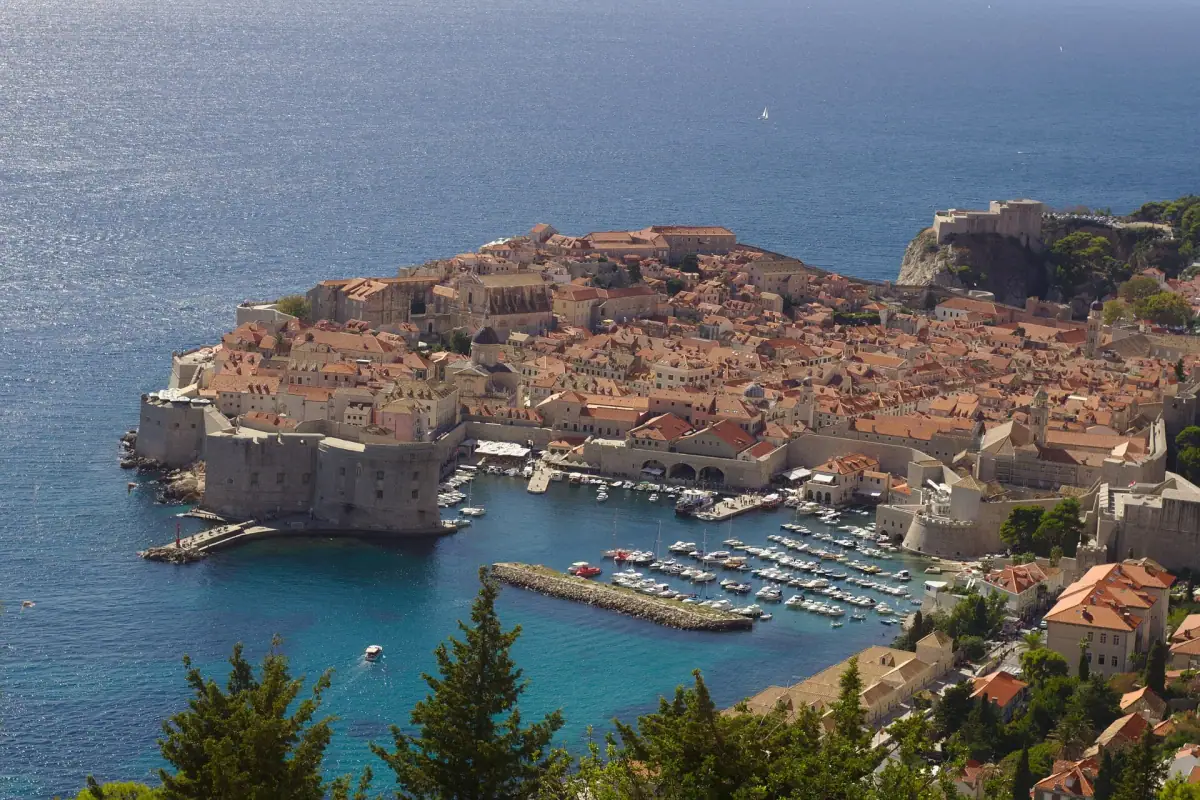
- July-August is peak season: 28-35 °C (82-95 °F), crowds (up to 10,000 tourists a day in Dubrovnik in August) and hotel prices that can triple compared with May.
- October still has sea at 20-22 °C (68-72 °F) and lower prices, but many island hotels and restaurants close from mid-October.
- Zagreb is a good winter option thanks to its Christmas markets; the coast is windy and mostly closed.
Croatia enjoys one of the best climates in the eastern Mediterranean: long, hot summers, mild springs, sunny falls. But choosing the right time makes a big difference between a dream trip and one spoiled by crowds or unpredictable weather.
This month-by-month climate guide helps you choose your ideal travel window according to your priorities: beach, hiking, culture, budget or authenticity.
Climate summary by season
Croatia has three main climate zones:
- The Dalmatian coast and Istria: Mediterranean climate, hot dry summer, mild rainy winter
- Zagreb and the interior: continental climate, hot summers, cold winters with snow
- The mountains (Velebit, Gorski Kotar): mountain climate, snow possible from November to April
For the majority of travelers who come for the coast, we focus on the Mediterranean climate.
Spring (April-May): ideal for nature lovers
Weather
- Temperatures: 15-22 °C (59-72 °F) on the coast, 10-18 °C (50-64 °F) in Zagreb
- Sea: 16-19 °C (61-66 °F) (cool for swimming)
- Rain: a few showers, especially in April
- Sunshine: 6-8 hours a day
Pros
Spring is the perfect season to visit the national parks. Plitvice Lakes are at their best in April-May, fed by snowmelt. The lavender fields of Hvar begin to bloom. The old towns are pleasantly busy. Prices are still reasonable.
Cons
The sea is still cool for swimming (below 20 °C / 68 °F for many swimmers). Some tourist businesses (restaurants, hotels on the islands) only reopen in May.
Recommended for: hiking, national parks, cultural visits, cycling in Istria.
Early June: the best period
June is unquestionably the best month to visit coastal Croatia.
- Temperatures: 24-28 °C (75-82 °F)
- Sea: 20-22 °C (68-72 °F), perfect for swimming
- Crowds: much smaller than in July-August
- Prices: 20-30% lower than in high season
- Sunshine: 10-11 hours a day
In June, everything is open, the sea is already very pleasant, the beaches are not crowded and prices remain reasonable. It is the ideal window for a first trip to Croatia.
July-August: high season, crowds and heat
Weather
- Temperatures: 28-35 °C (82-95 °F) (sometimes 38-40 °C / 100-104 °F in Dubrovnik)
- Sea: 24-27 °C (75-81 °F), perfect
- Sunshine: 12-14 hours a day
- Rainfall: almost none
Pros
The weather is practically guaranteed. The sea is at an ideal temperature. The atmosphere is at its liveliest: open-air concerts, night markets, intense social life in the harbors.
Cons
It is the busiest season in the whole Mediterranean, and Croatia is no exception. Dubrovnik receives up to 10,000 tourists a day in August. Hotel prices can triple compared with May. Traffic on the coastal road (D8) can be terrible. The heat can be crushing inland.
Recommended for: travelers with no other choice of dates, party-goers, families with school-age children.
Avoid if you have the choice. Or at least avoid Dubrovnik and favor lesser-known islands such as Vis, Lastovo or Mljet.
September: the second-best choice
September is often considered the “perfect month” by experienced travelers.
- Temperatures: 25-28 °C (77-82 °F)
- Sea: 23-25 °C (73-77 °F) (warmer than in June!)
- Crowds: sharply reduced after mid-September
- Prices: 20-40% lower than in August
- Sunshine: 9-10 hours a day
The first half of September still has some of the summer buzz. After September 15, it is almost a different destination: calm, more affordable, with a particularly beautiful late-summer light.
Accommodation in September
Best prices outside high season.
October: sea still warm, crowds gone
October is an underrated month in Croatia. The sea is still at 20-22 °C (68-72 °F), the air is 18-22 °C (64-72 °F), and the beaches are almost deserted. It is the ideal period to:
- Explore Plitvice without the crowds
- Walk around Dubrovnik without the lines
- Taste the wines of the new harvest in Istria and Dalmatia
- Cycle on the islands in complete peace
Note: many hotels and restaurants on the islands close from mid-October.
November to March: winter and low season
Winter on the Croatian coast is mild but windy and rainy. The bora (north wind) can blow very hard in Dalmatia. Most tourist businesses on the islands are closed.
Zagreb in winter is nevertheless an excellent option: the capital comes alive with its Christmas markets (among the most beautiful in Europe according to several rankings), its museums and its cultural life. Hotels are cheap and tourists nearly absent.
Recommended for: travelers who want to visit Zagreb, winter hiking fans in Velebit, bargain hunters.
Summary table
| Month | Temperature | Sea | Crowds | Prices | Ideal for |
|---|---|---|---|---|---|
| April | 15-18 °C (59-64 °F) | 15-17 °C (59-63 °F) | Low | Low | Plitvice, culture |
| May | 19-23 °C (66-73 °F) | 18-20 °C (64-68 °F) | Moderate | Medium | Everything |
| June | 24-27 °C (75-81 °F) | 20-22 °C (68-72 °F) | Moderate | Medium | Beach + culture |
| July | 28-33 °C (82-91 °F) | 24-26 °C (75-79 °F) | Very high | High | Sea, parties |
| August | 29-35 °C (84-95 °F) | 25-27 °C (77-81 °F) | Maximum | Maximum | Sea |
| September | 25-28 °C (77-82 °F) | 23-25 °C (73-77 °F) | Moderate | Medium | Beach + calm |
| October | 18-22 °C (64-72 °F) | 20-22 °C (68-72 °F) | Low | Low | Hiking, culture |
| Nov-March | 5-15 °C (41-59 °F) | <18 °C (<64 °F) | Minimal | Minimal | Zagreb |
Final recommendation
For the vast majority of travelers, June and September are the months to favor. The perfect compromise between weather, water temperature, reasonable prices and controlled crowds.
If you come for the national parks and nature, May is excellent. If you have school-vacation constraints, choose early July instead, or accept the constraints of August while avoiding Dubrovnik.
Whatever your period, Croatia will offer a memorable experience, but with good preparation you will get the most out of it.
Frequently asked questions
What is the best month to go to Croatia?
June and September are the ideal months: the sea is warm (22-24 °C / 72-75 °F), temperatures are pleasant (25-28 °C / 77-82 °F), and crowds are much smaller than in July-August.
Can you swim in Croatia in October?
Yes, the sea stays at 20-22 °C (68-72 °F) until mid-October. The weather is generally sunny and prices drop sharply. It is an excellent period if you like quiet.
Is Croatia pleasant in winter?
The coast is nearly deserted and windy in winter, but Zagreb comes alive with its renowned Christmas markets. The interior of the country is beautiful but cold (0 to 5 °C / 32 to 41 °F).
When are prices lowest in Croatia?
The lowest prices are found from October to April. In May and June, rates rise gradually before peaking in July-August.
Is Croatia crowded in summer?
July and August are very busy, especially in Dubrovnik, Split and Hvar. On some days Dubrovnik limits entries to its city walls. Prefer June or September for a calmer trip.
More Croatia guides
Keep reading
Croatia budget: how much does a trip cost in 2026?
Detailed budget for a trip to Croatia: accommodation, meals, transport, activities. Estimates by traveler profile and tips to spend less.

Hiking in Croatia: the best trails from Velebit to Dubrovnik
Hiking in Croatia: Velebit, Paklenica, Biokovo and the island of Hvar. Marked trails, difficulty, best season and practical tips for planning.
Kayaking in Croatia: the best tours and routes
Guide to kayaking in Croatia: tours from Dubrovnik, Hvar, Split and Rovinj. Sea caves, wild islands and coves reachable only by kayak.
Ready-made
Croatia itineraries
Croatia road trip: the coastal route from Zagreb to Dubrovnik
The ultimate Croatian coastal road trip from Zagreb to Dubrovnik via Split, Zadar and the national parks. 10-14 day route with stops and tips.
7 days
Croatia in 7 days: the perfect one-week itinerary
Detailed itinerary to visit Croatia in 7 days: Split, the Dalmatian islands, Dubrovnik and Plitvice. Day-by-day plan with practical tips.
10 days
Croatia in 10 days without a car: a realistic bus and ferry itinerary
ZagrebZadarSplitHvar TownDubrovnik