Things to do
Scuba Diving in Cape Verde: Complete Guide to the Best Dive Spots
We may earn a commission when you book through links on this page, at no extra cost to you. We don't visit or try the places we cover: we summarize published sources. How we work
In short
- Water temperatures run from 23 °C (73 °F) in winter to 27 °C (81 °F) in summer, with average visibility of 15 to 25 m (49 to 82 ft).
- Sal has the most dive clubs and the most accessible sites. São Vicente has cooler water and less crowded sites.
- Certified divers need PADI Open Water or equivalent. Discovery dives for beginners cost about €50-70 (~$58-81).
- Diving is possible year-round. Don't dive within 24 hours before going up to altitude, for example Pico do Fogo.
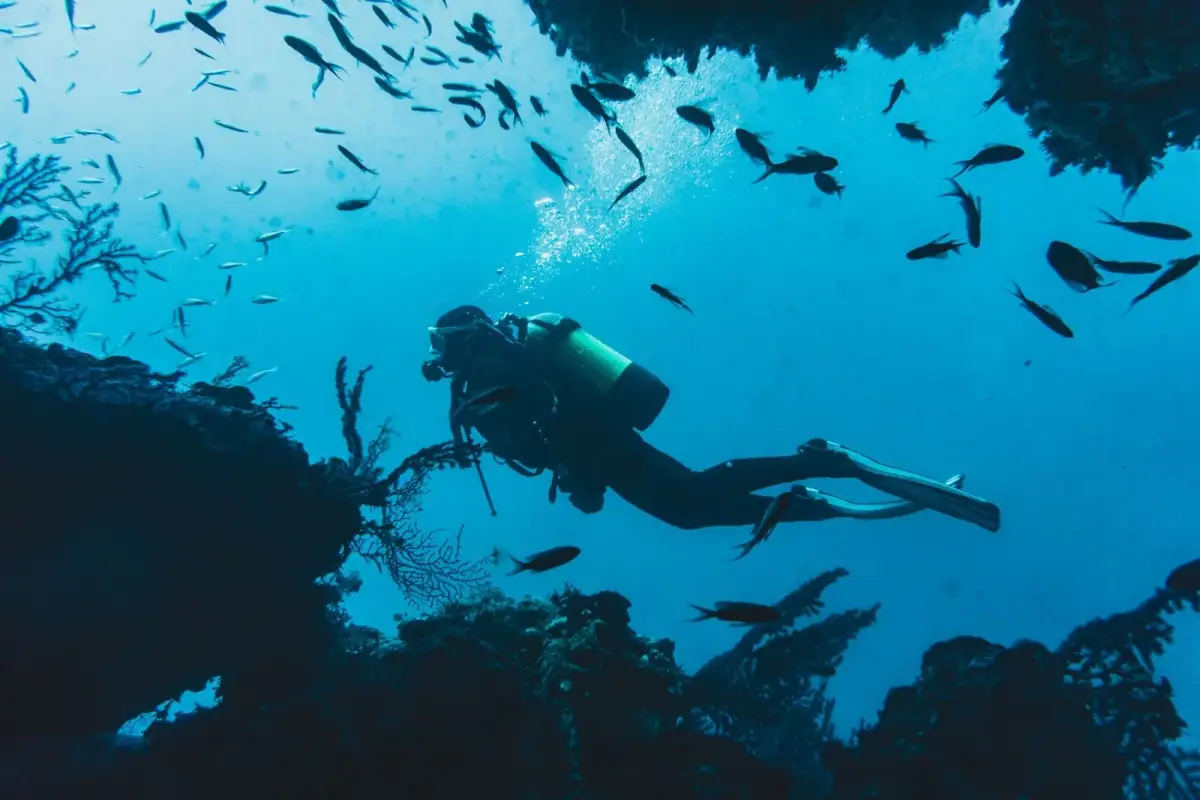
Cape Verde is an increasingly recognized dive destination. Its Atlantic waters, a crossroads between cold northern currents and warm tropical water, hold exceptional marine biodiversity. This guide covers what you need to know to dive in the best conditions.
Why dive in Cape Verde?
The Cape Verde archipelago occupies a unique position in the Atlantic. This setting creates exceptional underwater conditions that attract diverse and often rare marine life.
What diving in Cape Verde offers:
Warm, clear water. Water temperatures range from 23 °C (73 °F) in winter to 27 °C (81 °F) in summer. Average visibility is 15-25 meters (49-82 ft) and can reach 40 meters (131 ft) in the best conditions. A paradise for underwater photographers.
Exceptional wildlife. Cape Verde’s waters are home to sea turtles (five species present), manta rays, dolphins (several species), seasonal whale sharks, and an incredible variety of tropical and bottom-dwelling fish.
Varied sites. Volcanic rocky reefs, wrecks, caves, drop-offs, coral gardens: each island offers a different type of dive. The volcanic geology often creates spectacular underwater landscapes.
Few crowds. Compared with destinations like the Maldives or the Red Sea, Cape Verde still attracts relatively few divers. The sites are well preserved, and encounters with large marine animals remain special moments.
Cape Verde’s remarkable marine life
Sea turtles
Cape Verde is home to five of the seven existing sea turtle species. The loggerhead turtle (Caretta caretta) is the most common and makes Cape Verde one of the most important nesting areas in the Atlantic.
While diving, turtle encounters are frequent, especially around Sal, Boa Vista and São Vicente. These animals often let you get close, always with respect and without touching them.
Manta rays
Reef manta rays regularly visit Cape Verde’s waters. Sal and Boa Vista are particularly good for encounters. These majestic creatures, whose wingspan can exceed 3 meters (10 ft), move with unmatched grace.
Whale sharks
The seasonal presence of whale sharks (Rhincodon typus) is one of the great attractions of Cape Verde’s waters. These harmless giants, which can reach 12 meters (39 ft), feed exclusively on plankton.
When to see them: From November to March, with a peak in December-January. Where to see them: Mainly Sal and Boa Vista, but also São Vicente. How: Dedicated boat trips run by the dive clubs let you swim with them (usually snorkeling, to disturb them less).
Dolphins and other cetaceans
Atlantic spotted dolphins (Stenella frontalis) are very common in Cape Verde’s waters. Boat trips often let you swim with them. Humpback whales also visit the archipelago’s waters from January to April.
Fish and invertebrates
The variety of fish is remarkable: tuna, jacks, barracudas, moray eels, boxfish, trumpetfish, butterflyfish, angelfish, surgeonfish, lionfish, octopus…
The seabed also has interesting invertebrates: starfish, sea urchins, shrimp, shellfish, corals and sponges.
Best dive spots by island
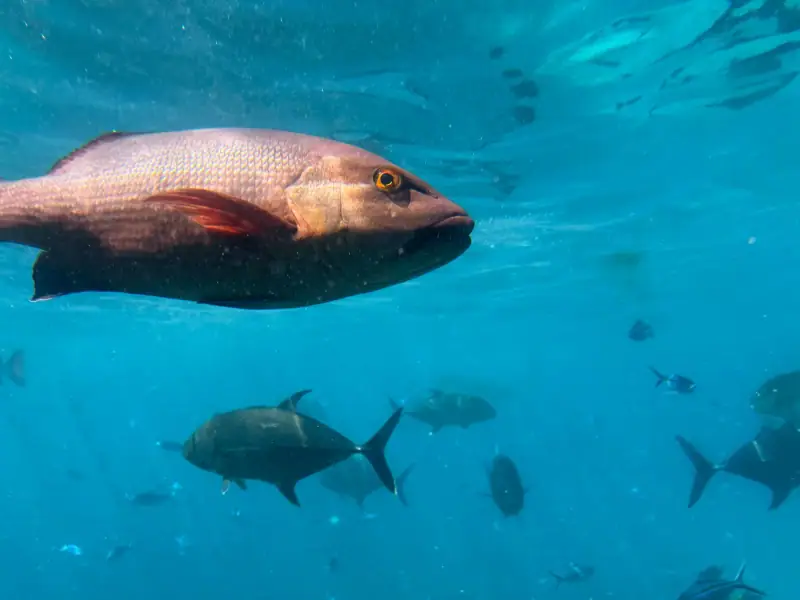
Sal: the best-equipped dive destination
Sal has the most dive clubs in the archipelago and the most accessible sites. Diving on Sal suits beginners and experienced divers alike.
Notable sites:
The Anchor — Beginner/intermediate level A historic anchor lost on a sandy bottom at 15 m (49 ft). A calm site with many turtles, stingrays and boxfish. Perfect for first dives and discovery dives.
Buracona Wall — Intermediate level A rocky drop-off with caves to explore. Many moray eels, octopus and reef fish. The surface blue cave is accessible by snorkeling.
Espargos Reef — All levels A healthy reef with a wide variety of tropical fish. Good visibility, depth 10-20 m (33-66 ft).
North of the island, whale sharks — Intermediate level In season (November-March), special trips let you swim with whale sharks. This is not a standard dive but a surface swim or snorkel near these giants.
São Vicente: cooler water and wild sites
The water off São Vicente is slightly cooler than off Sal (22-25 °C / 72-77 °F), but visibility is often excellent (25-40 m / 82-131 ft) and the sites are less crowded.
Notable sites:
Bay da Laginha — All levels The Mindelo beach is also an excellent dive spot. Many reef fish, corals, turtles.
Monte Cara — Intermediate/advanced level A spectacular site with rock formations shaped like a human face (hence the name). Drop-offs at 30 m (98 ft), lots of marine life.
Calhau — Intermediate level A fishing village with a beautiful rocky reef. Frequent manta ray encounters.
Boa Vista: big wildlife in the wild
Boa Vista has fewer dive clubs than Sal, but the sites are often high quality and uncrowded.
Notable sites:
Shark Bay — All levels Despite its name, sharks are rare here. Turtles, however, are very present. Easy dive over white sand.
João Galego — Intermediate level A rocky reef with fine drop-offs. Stingrays, barracudas, jacks.
Costa da Boa Esperança — Advanced level The storm coast, accessible only in calm seas. Spectacular submerged rocks with impressive pelagic life.
Fogo: unique volcanic diving
Diving off Fogo, still little known, offers unique volcanic underwater landscapes. Underwater lava flows create fascinating geological formations.
Best season for diving
Diving is possible all year round in Cape Verde, but some periods are better:
November to March: The best period for whale sharks and humpback whales. Excellent visibility. Slightly cooler water (23-24 °C / 73-75 °F). Trade winds can make some northern sites harder to reach.
April to June: Excellent for general diving. Water gradually warming up. Fewer trade winds. Manta rays still present.
July to October: Warmest water (25-27 °C / 77-81 °F). Turtle nesting season, so many turtles in the water. Visibility sometimes reduced by plankton (but good for feeding whale sharks).
Practical tips for diving in Cape Verde
Certification. For scuba diving, a PADI Open Water certification (or CMAS 1-star equivalent) is the minimum. For deeper dives and wrecks, PADI Advanced.
Equipment. Most clubs provide all the gear (a 3 mm wetsuit is enough all year, except in January-February when 5 mm is better). You can bring your own mask and fins for comfort.
Altitude. Be careful if you hike in Santo Antão or climb Pico do Fogo: don’t dive in the 24 hours before going up to altitude (risk of decompression sickness).
Choosing a club. Look for clubs with PADI, SSI or CMAS certified instructors, regularly maintained equipment, and guides who know the local sites well. Compare reviews on Tripadvisor before booking.
Snorkeling. If you don’t dive, snorkeling is excellent in Cape Verde, especially from the beach. Bring your own mask and snorkel to avoid renting gear that is often worn out.
Frequently asked questions
Is the diving good in Cape Verde?
Yes, diving in Cape Verde is excellent. Visibility is generally good (15-30 m / 49-98 ft), the water is warm (23-27 °C / 73-81 °F) and marine life is rich: sea turtles, manta rays, whale sharks (seasonal), dolphins, barracudas, moray eels and a wide variety of tropical fish.
Can you see whale sharks while diving in Cape Verde?
Yes. Whale sharks are seasonal visitors: in Boa Vista, scientific monitoring reports them mostly from June to October, with a favorite area in the southwest of the island. Ask the clubs about the exact period, as it varies from year to year. These harmless giants (up to 12 m / 39 ft) are among the biggest underwater attractions of the archipelago.
Which island is best for diving in Cape Verde?
Sal is the best island for diving in terms of infrastructure and variety of sites. São Vicente offers beautiful dives in cooler water. Boa Vista is known for whale shark encounters in season. Fogo has interesting volcanic sites.
Do you need to be certified to dive in Cape Verde?
For scuba diving with full equipment, a PADI, CMAS or equivalent certification is required (Open Water level minimum). For beginners, all clubs offer discovery dives with an instructor and no prior certification.
How much does a dive cost in Cape Verde?
As a guide, a discovery dive costs €50-70 (~$58-81), with prices to confirm with the clubs. A two-dive outing for certified divers costs €60-100 (~$70-115). Weekly packages (10 dives) run €200-300 (~$230-350). PADI Open Water certification courses cost €300-400 (~$350-465).
More Cape Verde guides
Keep reading
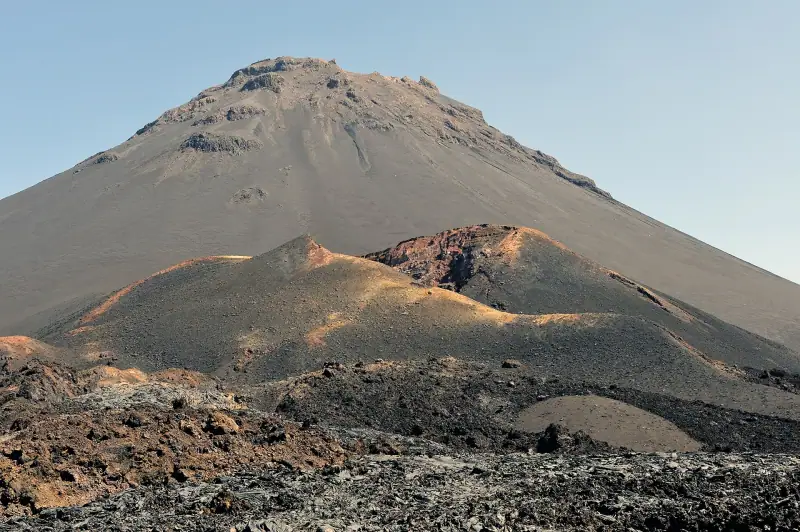
Pico do Fogo without a guide: required or not, price and booking the day before?
Climbing Pico do Fogo without an agency: is a guide required, price around €35-40 (about $41-46), booking the day before in Chã das Caldeiras, difficulty.
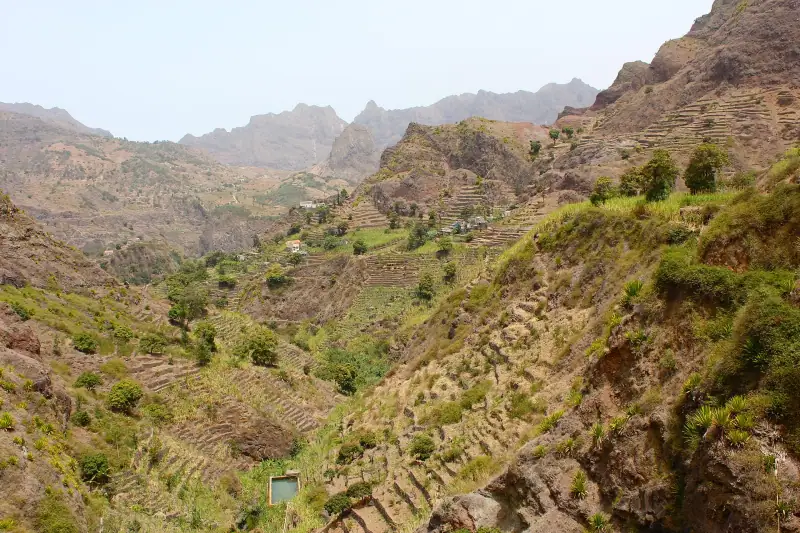
Hiking on Santo Antão: the best trails in Cape Verde
Hiking on Santo Antão: Paul Valley, Cova ridge, Ponta do Sol. Difficulty, duration and tips for exploring the island.
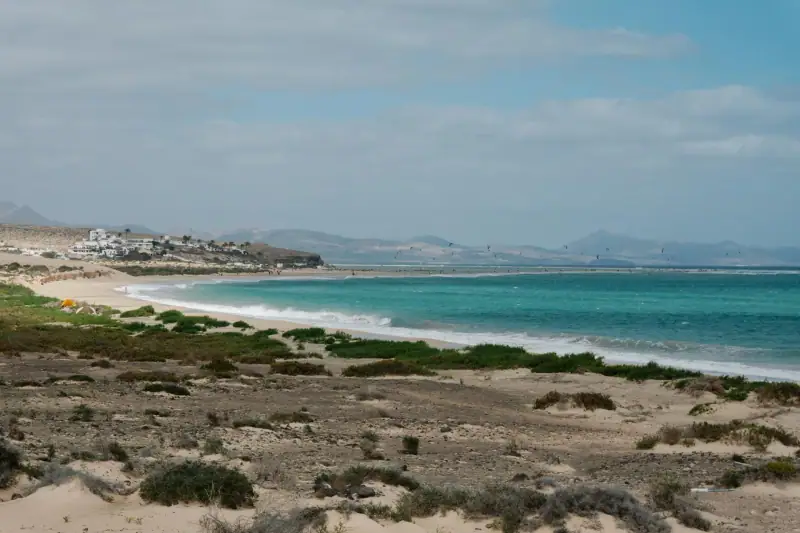
Visit Boa Vista: Complete Guide to the Island of Dunes
Everything to know about visiting Boa Vista, Cape Verde: beaches, dunes, sea turtles, kitesurfing, where to stay and how to get there.
Ready-made
Cape Verde itineraries
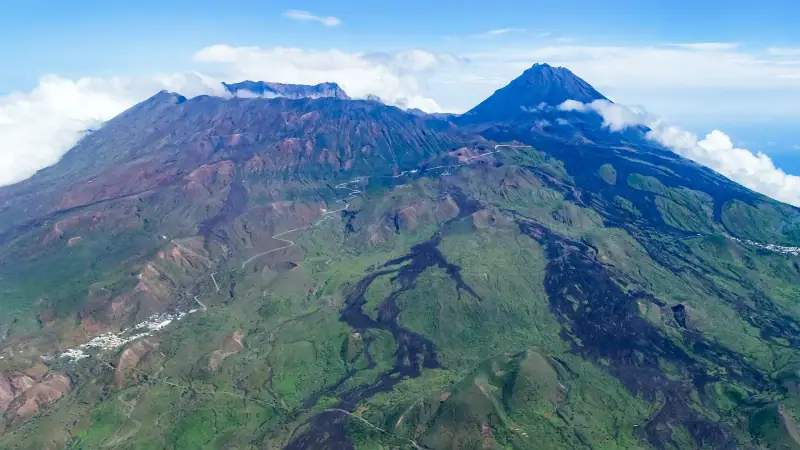
4 days
Fogo Island: complete 3-4 day itinerary (volcano, São Filipe, wine)
Detailed itinerary for 3 to 4 days on Fogo: Pico do Fogo climb, São Filipe, Chã das Caldeiras, volcanic wine and fishing villages.
7 days
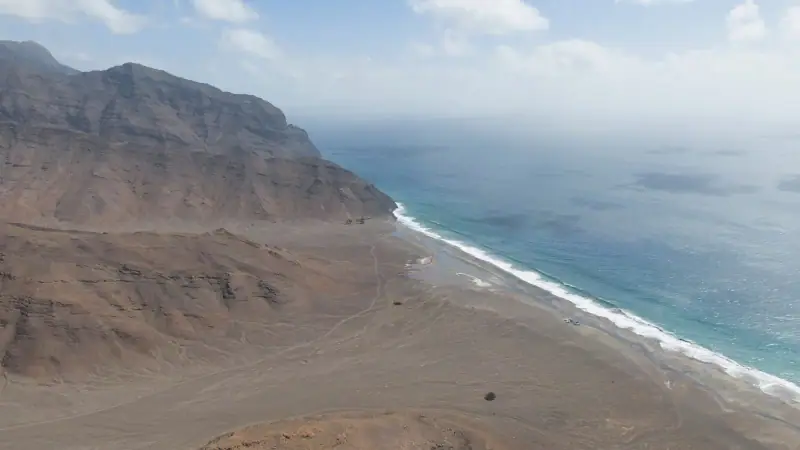
Cape Verde in 7 days: the perfect week itinerary
Cape Verde in 7 days: day-by-day plans for a great week on Sal, Santiago or São Vicente, with a detailed schedule and practical tips.
Can be adapted in the planner
14 days
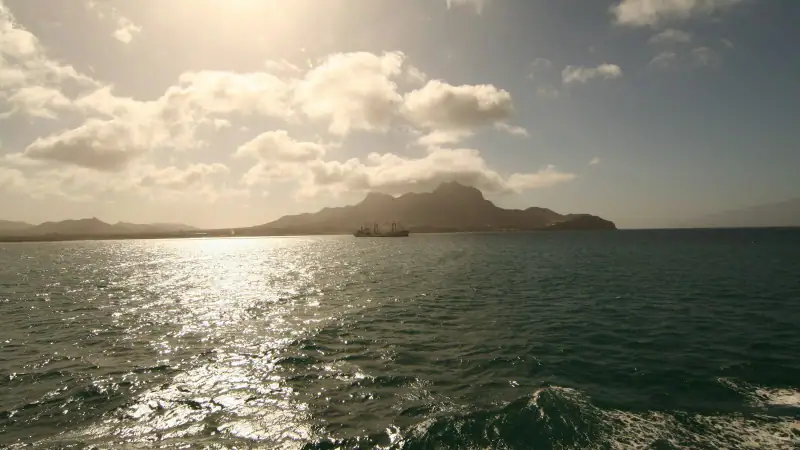
Island Hopping in Cape Verde: A Guide to Visiting Several Islands
SalSantiagoSão VicenteSanto Antão