What to see
Visit Banja Luka: Complete Guide to the Capital of Republika Srpska
We may earn a commission when you book through links on this page, at no extra cost to you. We don't visit or try the places we cover: we summarize published sources. How we work
In short
- One day covers the essentials (Kastel Fortress, Cathedral of Christ the Savior, Petar Kočić park, the Vrbas riverbank); allow 2 days to add rafting and café time.
- Banja Luka is about 195 km (121 mi) from Sarajevo and about 70 km (43 mi) from Jajce. The Sarajevo bus takes about 3 h 30 to 4 h for 25 to 35 BAM.
- Rafting (class II to III) on the Vrbas gorges, 15 km (9 mi) south of the center, runs from April to September; trips last 2 to 3 hours.
- Spring and fall are the best seasons. Hotel prices run about 60 to 100 BAM (€30 to 50 / $35 to 58) a night for a 3-star in the center.
Banja Luka is the second-largest city in Bosnia and Herzegovina and the administrative capital of Republika Srpska. With about 185,000 inhabitants (municipality, 2013 census), lively cafés on the Vrbas, a medieval fortress and a grand Orthodox cathedral, it is a stop travelers often overlook, yet a fascinating one. Here is a complete guide to a city with a Slavic and Balkan soul, only about 3 hours’ drive from Sarajevo.
Kastel Fortress: the city’s emblem
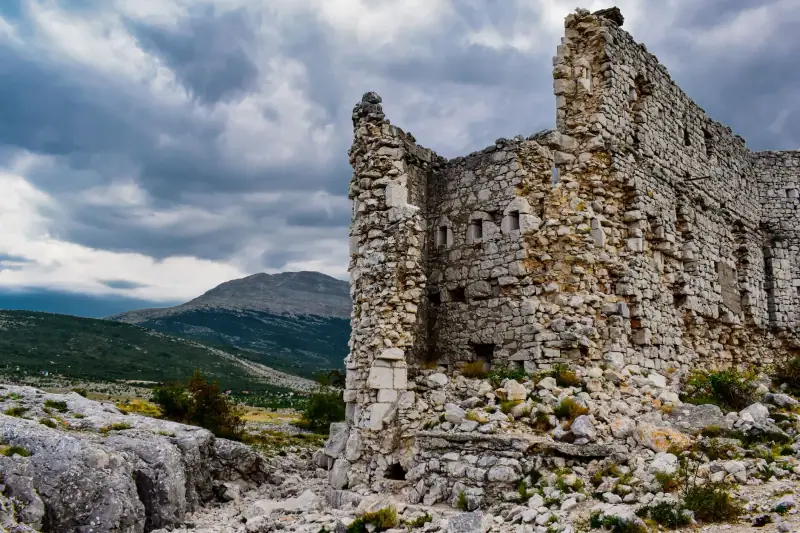
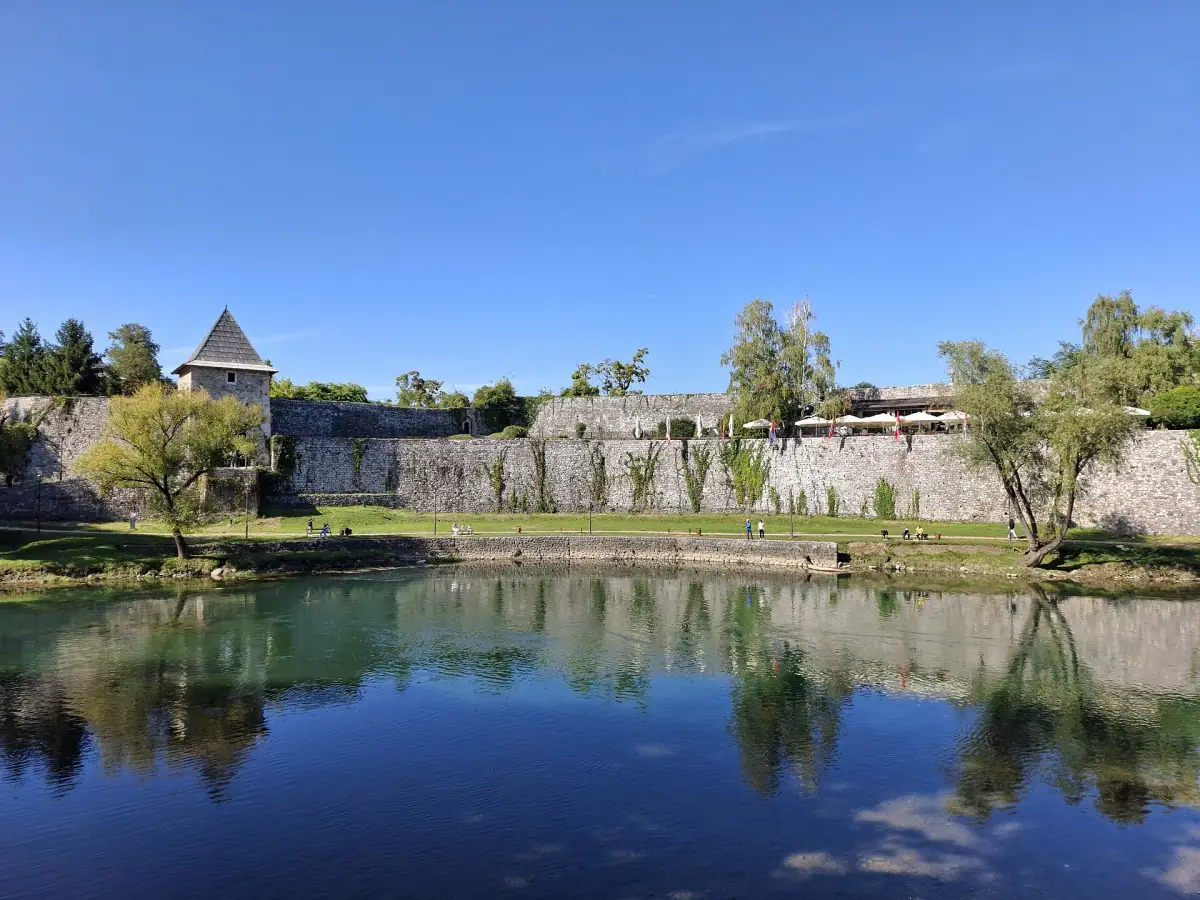
Kastel Fortress is the unmissable symbol of Banja Luka. Perched on a rocky promontory above the Vrbas river, it is the historic soul of the city. Its origins go back to Roman antiquity, but it was the Ottoman Empire that gave it its present form in the 16th and 17th centuries, before the Austro-Hungarians made their own changes.
What you see today
The fortress has been fully restored and opened to the public. Inside its walls you will find:
- Circular ramparts with several corner towers that give open views of the city and the Vrbas
- An outdoor amphitheater that hosts concerts and cultural events in summer
- A café and terraces built into the old walls, an ideal spot for a break with a view of the river
- Temporary exhibitions in the renovated interior spaces, often devoted to local history
Entry is free and the fortress is open daily. The best time to visit is late afternoon, when golden light colors the gray stones and the Vrbas sparkles below.
Tours and guided visits in Bosnia
Discover Banja Luka, the Vrbas gorges and Republika Srpska with a local guide.
The Cathedral of Christ the Savior: a monument of Serbian renewal
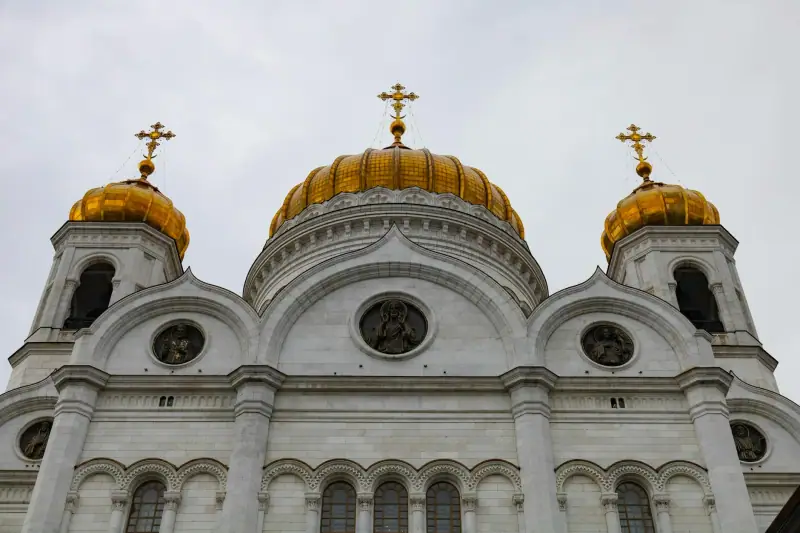
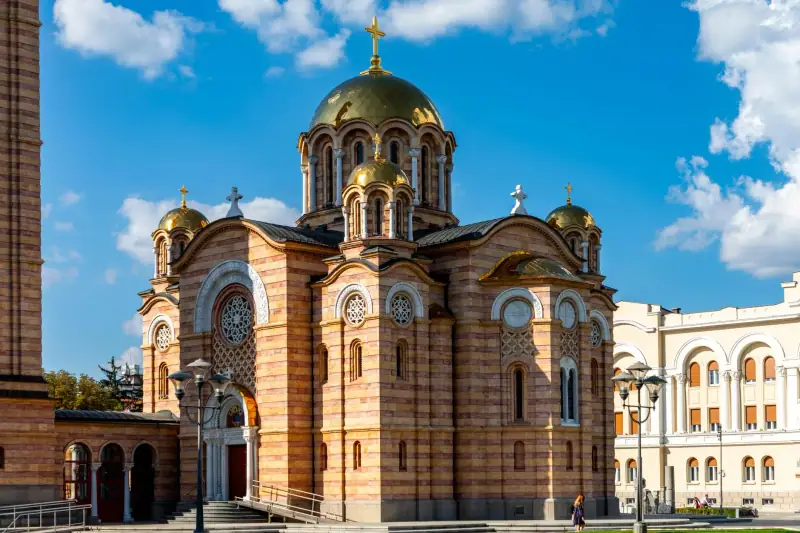
The Cathedral of the Nativity of Christ (Saborna crkva Hrista Spasitelja) is one of the largest Orthodox cathedrals in the region. Rebuilt between 1993 and 2004 (first liturgy in September 2004, official consecration in May 2009) on the site of the old cathedral dynamited during World War II, it is both an active place of worship and a symbol of cultural renewal for Bosnia’s Serbian Orthodox community.
Its architecture is impressive: a white facade dominated by a large central dome flanked by four smaller cupolas, visible from almost all over the city. The interior, richly decorated with mosaics, gilded iconostases and Byzantine-style frescoes by contemporary Serbian artists, is worth a visit even for non-believers.
Practical: Free entry. Cover shoulders and knees to enter. Hours vary with services; go in the morning to find the doors open.
Ferhat Pasha Mosque: history and reconstruction
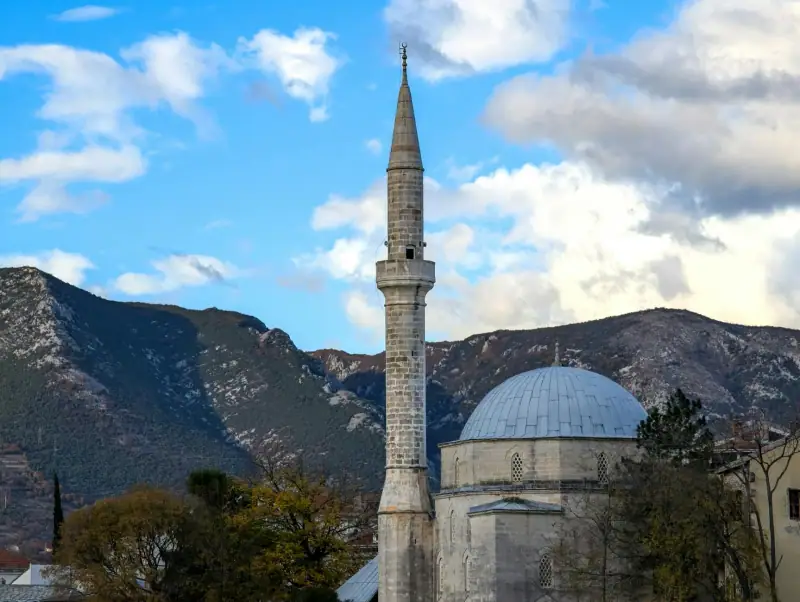
The Ferhat Pasha Mosque (Ferhat-pašina džamija) is one of the most beautiful Ottoman mosques in Bosnia. Built in 1579, it was destroyed in the conflicts of 1993. Its reconstruction, financed by Saudi funds and the international community, was completed in 2016 and sparked significant debate in the city, a microcosm of the tensions still present in Bosnian society.
Today, the rebuilt mosque is open to visitors outside prayer times. It is a rare example of classical Ottoman architecture in a majority-Orthodox city.
The Vrbas riverbank and Petar Kočić park
The Vrbas river is the backbone of Banja Luka. Along its banks, a landscaped promenade several kilometers long lets you stroll, jog or simply sit on a terrace facing the emerald-green current.
Petar Kočić park
In the city center, this large green park is the meeting place for local families, students and retirees. It is named after a Serbian writer and insurgent from the region. There are fountains, shaded benches and a relaxed atmosphere that contrasts with Sarajevo’s faster pace.
The craft beer scene
Banja Luka is known in Bosnia for its brewing culture. Banjalučko pivo, a local beer brewed since 1873, is everywhere in bars and restaurants. The city also has several craft microbreweries springing up around the Vrbas. Demofest, an alternative rock festival held in July each year, draws thousands of visitors and bands from across the region.
Hotels in Banja Luka
Charming hotels, apartments and guesthouses in the city center.
The Vrbas gorges: adventure and nature
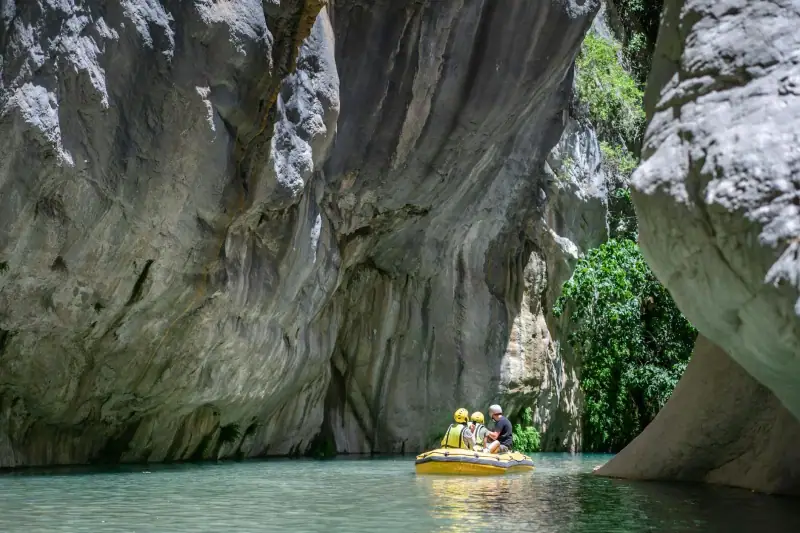
About 15 km (9 mi) south of the city center, the Vrbas gorges are one of the natural gems of northwest Bosnia. The river cuts into an impressive rocky canyon here, with walls reaching several tens of meters high in places.
Rafting and kayaking
This is the gorges’ headline activity. Several local operators offer class II to III rafting runs, accessible to beginners from age 10. Trips generally last 2 to 3 hours and combine lively rapids with calmer stretches to admire the scenery.
The best rafting season runs from April to September, when water is high and the vegetation lush. The best conditions are in April-June and September. In summer the level drops, but trips are still possible.
Hiking and climbing
The limestone cliffs of the gorges also attract climbers. Routes of varying difficulty have been equipped on the walls, and hiking trails along the river allow walks of 1 to 3 hours with striking viewpoints.
For more hiking ideas in Bosnia, see our guide to hiking in Bosnia.
Food in Banja Luka
Banja Luka’s cooking is representative of Bosnia, with a strong Serbian and Balkan influence. A few dishes and places worth trying:
Must-try dishes
- Ćevapi: small grilled sausages of minced meat, served with pita bread and ajvar (red pepper sauce), the de facto national dish. In Banja Luka they are often larger and more generous than in Sarajevo.
- Jagnjetina ispod sača: lamb cooked under the bell (sač), a slow-cooking technique that gives tender, fragrant meat. A typical dish of country restaurants and those along the Vrbas.
- Tufahija: a classic Bosnian dessert, a poached apple stuffed with walnuts and sugar, served with cream. Sweet and comforting.
- Banjalučko pivo: the local light, cold beer, to go with ploče (slices of toasted bread with cheese and ham).
Where to eat
- Kastel Restaurant: on the fortress ramparts, with a terrace over the Vrbas. Local cooking, exceptional setting.
- Restoran Acinger: a family place a short walk from the center, known for its grilled meats and generous portions.
- The kafanas of the center: the kafanas (old-style bar-restaurants) on Vuka Karadžića street and around the park are the heart of Banja Luka’s social life.
Car rental in Bosnia
Explore Banja Luka and the Vrbas gorges freely with a rental vehicle.
Museums and cultural life
The Museum of Republika Srpska
The national museum of Republika Srpska is housed in an Austro-Hungarian building in the city center. Its collections cover natural history, archaeology and the region’s history, from prehistory to the present. One section is devoted to medieval and Ottoman objects.
Entry: About 3-5 BAM. Hours: Monday-Friday 8 am to 8 pm, Saturday-Sunday 10 am to 2 pm.
The Banski dvor museum
The Banski dvor cultural center, housed in the former administrative seat of the Kingdom of Yugoslavia (built 1931-32), is the city’s main temporary exhibition space. Local and regional contemporary art shows follow one another all year. Check the program on arrival to see what is on.
Nightlife
Banja Luka has a surprisingly lively nightlife for its size. Veselina Masleše street and the Vrbas banks hold most of the bars and clubs. The university students give the city a young, festive feel, especially on weekends.
When to visit Banja Luka
Spring (April-May): The best period. Mild temperatures (15-22 °C / 59-72 °F), lush vegetation in the gorges, and the Vrbas at its best level for rafting. The city is beautiful and not touristy.
Summer (June-August): Hot (sometimes 35 °C+ / 95 °F+), but the fortress terrace is pleasant in the evening. Demofest (July) brings a unique festive mood. The gorges are a refuge from the heat.
Fall (September-October): Excellent. The forest colors in the gorges are magnificent and the temperatures ideal. Fewer people than in Sarajevo.
Winter (November-March): Cold and quiet. The city does not close down, though: the kafanas are well heated and the atmosphere intimate.
To choose the best time for your trip, see our guide to the best time to visit Bosnia.
How to fit Banja Luka into your itinerary
Banja Luka is about 195 km (121 mi) from Sarajevo and about 70 km (43 mi) from Jajce. It fits perfectly into a loop itinerary through Bosnia.
Option 1: Sarajevo to Banja Luka to Jajce to Sarajevo (4-5 days)
A classic circuit through central Bosnia and the northwest. Banja Luka fits in naturally as a 1 or 2 night stop.
Option 2: Banja Luka as a base for the northwest (3 days)
Settle in Banja Luka and branch out to the Vrbas gorges, the Krupa na Vrbasu waterfalls and the region’s medieval sites.
For a full program, see our Bosnia road trip and our 7-day Bosnia itinerary.
Budget and logistics in Banja Luka
Banja Luka is slightly cheaper than Sarajevo for tourists. A few benchmarks:
| Item | Indicative price |
|---|---|
| 3-star hotel, center | 60-100 BAM (€30-50 / $35-58) a night |
| Guesthouse or apartment rental | 40-70 BAM (€20-35 / $23-41) a night |
| Restaurant meal | 12-25 BAM (€6-13 / $7-15) per person |
| Bosnian coffee | 1.50-2 BAM (€0.80-1 / ~$1) |
| Rafting (half day) | 40-60 BAM (€20-30 / $23-35) per person |
| Sarajevo-Banja Luka bus | 25-35 BAM (€13-18 / $15-21) |
For a full Bosnia budget, see our Bosnia budget guide.
Flights to Bosnia
Compare prices to reach Sarajevo or Zagreb before going on to Banja Luka by road.
How to get to Banja Luka
From Sarajevo: Regular buses from the central bus station (Autobuska stanica Sarajevo). Trip 3 h 30 to 4 h, departures about every 2 hours. Fare: 25-35 BAM.
From Zagreb (Croatia): International bus, about 3 hours, 25-40 BAM. Banja Luka is the first major Bosnian city when coming from Croatia, making it a natural gateway for travelers arriving from Zagreb.
By car: From Sarajevo via the A1/M17 (3 h). From Zagreb via the Croatian A1 and then the Gradiška border crossing (about 2 h). The road is in good condition and the views in the Vrbas gorges are superb.
Airport: Banja Luka airport (BNX) has a few charter flights and flights to Belgrade (Air Serbia). For most visitors, the most practical option is to arrive in Sarajevo (SJJ) or Zagreb (ZAG) and continue to Banja Luka by bus or car.
Final thoughts
Banja Luka is a city with character, often eclipsed by the aura of Sarajevo or the postcard charm of Mostar, but well worth a detour. Its medieval fortress, imposing cathedral, lively riverbanks and spectacular gorges make it a destination in its own right. It also offers a unique window on Republika Srpska and the social complexity of contemporary Bosnia, a journey that is as human as it is geographic.
Frequently asked questions
How long does it take to visit Banja Luka?
One day is enough for the essential sights: Kastel Fortress, the Cathedral of Christ the Savior, Petar Kočić park and the Vrbas riverbank. Allow 2 days to enjoy rafting, the cafés and the local atmosphere without rushing.
Is Banja Luka in the same entity as Sarajevo?
No. Banja Luka is the administrative capital of Republika Srpska, one of the two entities of Bosnia and Herzegovina. Sarajevo is the capital of the Federation of Bosnia and Herzegovina. This duality is at the heart of the country's political geography.
How do you get from Sarajevo to Banja Luka?
By bus from Sarajevo bus station, the trip takes about 3 h 30 to 4 h for 25-35 BAM (about €12-18 / $14-21). By car on the A1/M17, allow 2 h 45 to 3 h depending on traffic. There is no practical direct train.
Is Banja Luka safe for foreign visitors?
Yes, Banja Luka is a calm and welcoming city. Signs are in Cyrillic and Latin, and a few words of Serbian make daily life easier, but English is common in hotels and tourist restaurants. The city sees far fewer Western tourists than Sarajevo or Mostar, which gives it a pleasant authenticity.
Can you go rafting near Banja Luka?
Yes, the Vrbas river has class II to III rafting and kayaking spots, suitable for beginners with a guide. The Vrbas gorges, 15 km (9 mi) from the center, are especially popular. The main season runs from April to September.
What currency is used in Banja Luka?
The convertible mark (BAM or KM), used throughout Bosnia and Herzegovina. €1 is about 1.96 BAM. ATMs are plentiful in the center. Bank cards are accepted in most restaurants and hotels.
More Bosnia and Herzegovina guides
Keep reading
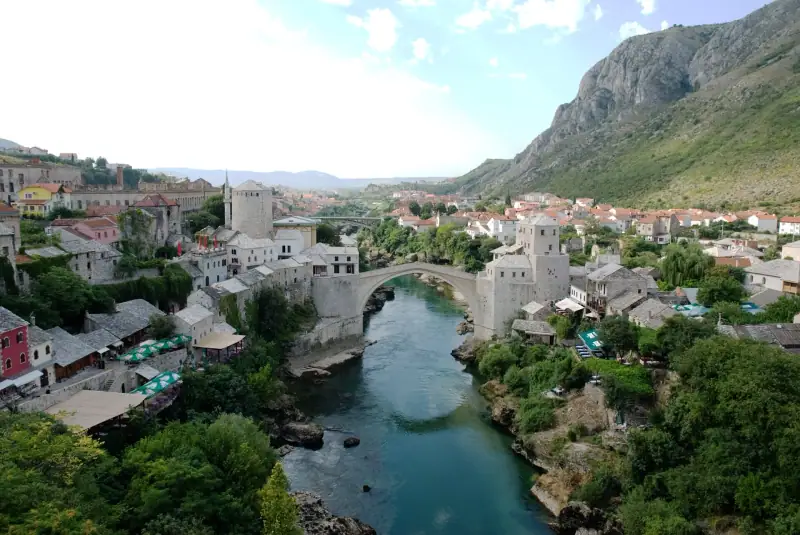
Visit Mostar: Complete Guide to the Pearl of Herzegovina
Everything to visit Mostar: Stari Most, Ottoman old town, day trips to Blagaj and Kravice, where to stay, budget and practical tips. 2026 guide.
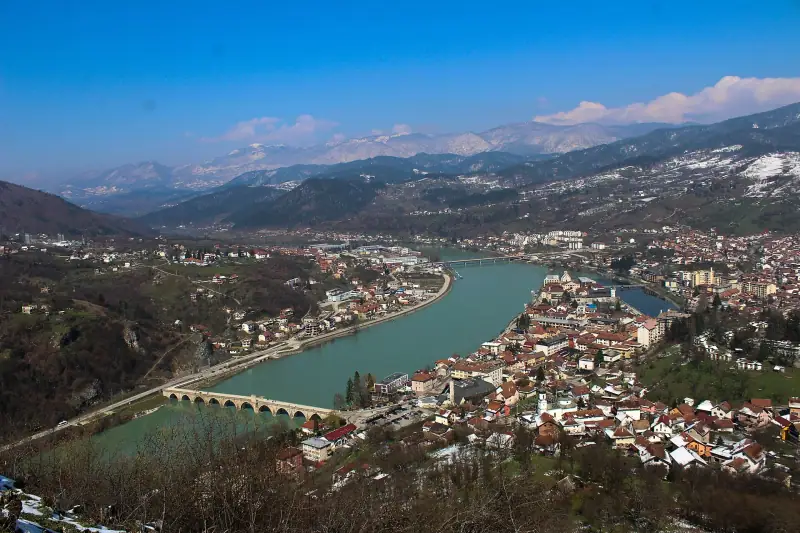
Višegrad: Visiting the Bridge on the Drina from Sarajevo, With or Without a Car
Mehmed Paša Sokolović Bridge in Višegrad: getting there from Sarajevo by car, bus or tour, visit length, free entry, Andrićgrad and practical tips.
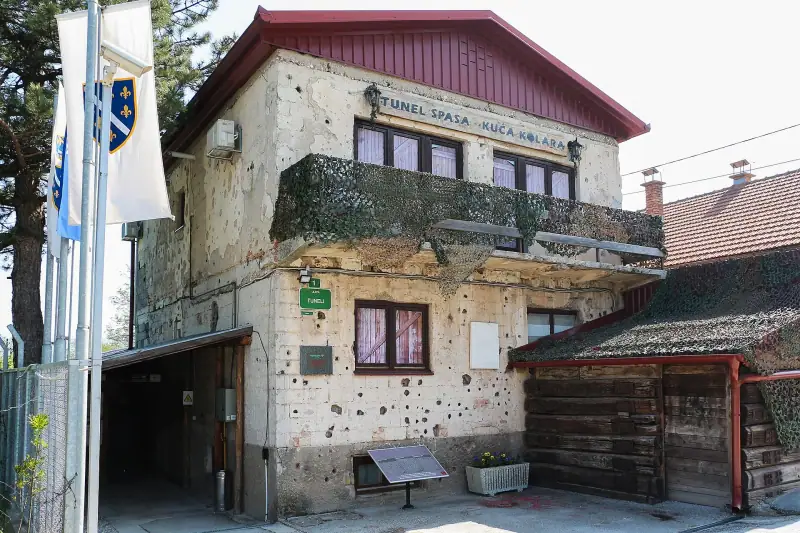
Sarajevo Tunnel of Hope: Hours, Prices and Getting There Without a Car
Visiting the Tunnel of Hope in Sarajevo: summer and winter hours, cash entry price, tram and bus from the center, visit length and tips.
Ready-made
Bosnia and Herzegovina itineraries
3 days
Northwest Bosnia: Banja Luka, Jajce and Una National Park
JajceBanja Luka
5 days
14 days
Bosnia and Herzegovina Road Trip: A 10 to 14 Day Itinerary by Car
Road trip through Bosnia and Herzegovina in 10 to 14 days: Sarajevo, Mostar, the Una, Sutjeska and Trebinje. The full itinerary to see it all.