Plan your trip
Best Time to Visit Bosnia and Herzegovina: A Month-by-Month Guide
We may earn a commission when you book through links on this page, at no extra cost to you. We don't visit or try the places we cover: we summarize published sources. How we work
In short
- For a first trip, May, June and September are the best months: excellent weather, no excessive crowds, reasonable prices.
- July and August are the high season and are hot: over 35 °C (95 °F) in Herzegovina (Mostar), 28-30 °C (82-86 °F) in Sarajevo. Visit sites before 9 am.
- Ski season at Jahorina and Bjelašnica, about 30 km (19 mi) from Sarajevo, generally runs from December to March.
- November is the grayest month, but cheap and quiet; January and February are for skiing and a snowy Sarajevo.
Bosnia and Herzegovina has a continental climate at altitude (Sarajevo, Travnik) and a Mediterranean climate in the south (Mostar, Herzegovina). This climate duality means the weather varies considerably by region and season. Choosing the right time can transform your trip.
The Bosnian climate in brief
Bosnia is a country of climatic contrasts:
- The north and center (Sarajevo, Banja Luka, Travnik) have a continental climate: cold, snowy winters, hot and stormy summers, mild springs and falls.
- The south, Herzegovina (Mostar, Počitelj, Blagaj) enjoys a Mediterranean climate: mild winters, very hot and dry summers, little rain in summer.
- The mountains (Bjelašnica, Jahorina, Sutjeska) have an alpine climate: abundant snow in winter, welcome coolness in summer.
Month-by-month guide
January to February: the Bosnian winter
Temperatures: -5 to 5 °C (23 to 41 °F) in Sarajevo, 5-10 °C (41-50 °F) in Mostar Sunshine: Low Precipitation: Snow in the mountains, rain in Herzegovina
Winter is the coldest period of the year. Sarajevo is covered in a white blanket that gives it a fairy-tale atmosphere. It is the ideal season for skiing at Jahorina and Bjelašnica at unbeatable prices (adult day pass about €40 (about $46) at Jahorina in 2025/26; accommodation is also more affordable).
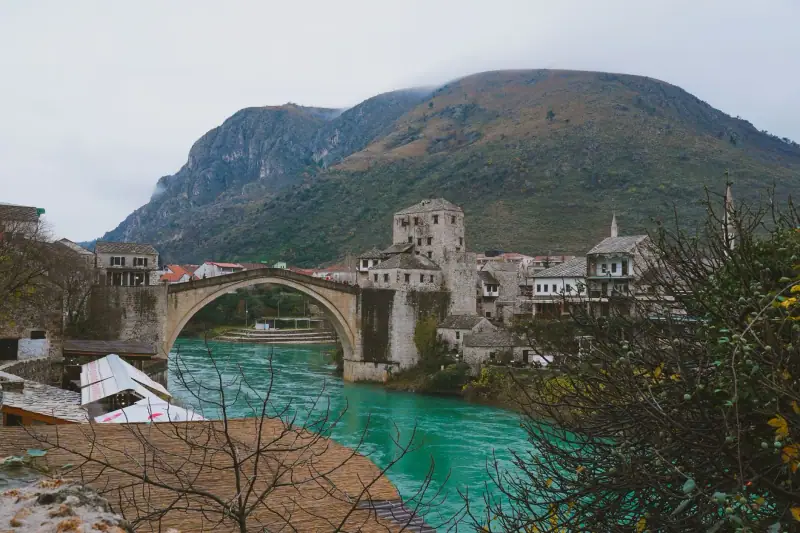
Mostar is still worth visiting in winter: tourism is almost nonexistent, so you can enjoy the Old Bridge with nobody else around. The climate is mild (7-10 °C / 45-50 °F) with a few rainy days.
Best for: ski fans, travelers looking for authenticity and low prices, romantic weekends in a snowy Sarajevo.
March to April: spring awakens
Temperatures: 8-18 °C (46-64 °F) in Sarajevo, 12-22 °C (54-72 °F) in Mostar Sunshine: Gradually increasing Precipitation: Frequent spring showers
March is still cool but April marks a turning point. Nature wakes up, fruit trees blossom, rivers swell with snowmelt and take on their famous turquoise color. It is an ideal period for hiking and water sports.
Tourists are still few, prices are low and the mood is relaxed.
Best for: hikers, nature lovers, travelers wanting to avoid crowds.
May to June: the good season begins
Temperatures: 18-28 °C (64-82 °F) in Sarajevo, 22-32 °C (72-90 °F) in Mostar Sunshine: Very good Precipitation: A few thunderstorms in the mountains
This is the recommended period for a first trip. The weather is excellent, vegetation is at its most beautiful, rivers are still full (ideal for rafting), and tourists have not yet flooded the sites. Prices are reasonable.
June is perhaps the perfect month: days lengthen (up to 16 hours of sun), temperatures are ideal for hiking and cultural visits, and the mood in the cafés of Sarajevo and Mostar is upbeat.
July to August: the summer high season
Temperatures: 28-35 °C (82-95 °F) in Sarajevo, 30-35 °C (86-95 °F) in Mostar Sunshine: Maximum Precipitation: Rare, violent mountain thunderstorms possible
Summer is the high season. The two big cities are the busiest, and Mostar can be downright overrun around the Old Bridge. The heat is intense in Herzegovina.
Despite these drawbacks, summer has its charms: cultural festivals in Sarajevo (Sarajevo Film Festival in August, Baščaršija Nights in July), swimming at the Kravice waterfalls, lively evenings. The Una river is especially beautiful for summer excursions.
Tip: If you come in summer, visit sites early in the morning (before 9 am) and book accommodation and activities in advance.
September to October: a favorite
Temperatures: 18-26 °C (64-79 °F) in Sarajevo, 22-30 °C (72-86 °F) in Mostar Sunshine: Very good Precipitation: A few showers
September is perhaps the best month to visit Bosnia. The summer tourists have left, but the sun is still generous, temperatures are ideal and the landscapes take on magnificent golden hues as October advances.
It is also the best period for mountain hiking (stable conditions, clear views) and for rafting (rivers still runnable). Prices drop on accommodation and activities.
Accommodation in Bosnia
Book with free cancellation, best prices guaranteed.
November to December: late fall and winter arrives
Temperatures: 2-12 °C (36-54 °F) in Sarajevo, 8-15 °C (46-59 °F) in Mostar Sunshine: Reduced Precipitation: Rain and first snow at altitude
November is the grayest month, with lots of cloud and rain. December sees the return of snow in Sarajevo and the mountains, and the city dresses in Christmas decorations that create a delightful atmosphere. Sarajevo’s Christmas market is increasingly well known.
It is a quiet tourist period, ideal for travelers who want to experience the city like the locals, at very low prices.
Summary table
| Month | Weather | Crowds | Prices | Best for |
|---|---|---|---|---|
| January | ❄️ Snow | Low | Low | Skiing, romance |
| February | ❄️ Cold | Low | Low | Skiing |
| March | 🌧️ Variable | Low | Low | Early hiking |
| April | 🌤️ Pleasant | Medium | Medium | Nature, festivals |
| May | ☀️ Ideal | Moderate | Medium | Everything |
| June | ☀️ Ideal | Moderate | Medium | Everything |
| July | 🌡️ Hot | High | High | Outdoors, festivals |
| August | 🌡️ Very hot | Very high | High | Festivals |
| September | ☀️ Perfect | Low | Medium | Everything |
| October | 🍂 Pleasant | Low | Low-Medium | Hiking, colors |
| November | 🌧️ Gray | Very low | Low | Budget |
| December | ❄️ Snow | Low | Low | Christmas markets |
Final recommendation
For a first trip to Bosnia and Herzegovina: May, June or September are your best choices. You combine excellent weather, sites without excessive crowds and reasonable prices.
For skiing and fans of an authentic winter: January-February at Jahorina or Bjelašnica.
For tight budgets and maximum authenticity: November-March (outside skiing).
Prepare your trip with our complete guide to Bosnia and our 7-day itinerary.
Frequently asked questions
What is the best time to visit Sarajevo?
Sarajevo is beautiful in every season. Spring (May-June) and fall (September-October) offer the best conditions: pleasant temperatures, little rain and fewer tourists. Summer is hot and lively but can be very busy.
Is it very hot in Bosnia in summer?
Yes, Bosnian summers can be scorching, especially in Herzegovina (Mostar). Temperatures regularly exceed 35 °C (95 °F) in July-August. Sarajevo, at 500 m (1,640 ft) altitude, is a little cooler (28-30 °C / 82-86 °F). Plan activities for the morning or evening.
Can you ski in Bosnia in winter?
Absolutely. The Jahorina and Bjelašnica resorts, 30 km (19 mi) from Sarajevo, are excellent ski destinations at very low prices. The season generally runs from December to March. See our activities guide.
Is Bosnia touristy in summer?
Mostar can be very crowded in July-August, especially around the Old Bridge. Sarajevo stays manageable but livelier. Natural sites like the Kravice waterfalls are very busy on weekends. Favor weekdays and mornings.
Are there festivals in Bosnia in summer?
Yes. Sarajevo hosts the Sarajevo Film Festival in August (one of the most prestigious in southeast Europe), Baščaršija Nights in July with free cultural performances, and Jazz Fest Sarajevo in November (first week). Mostar organizes concerts and events around the Stari Most.
More Bosnia and Herzegovina guides
Keep reading
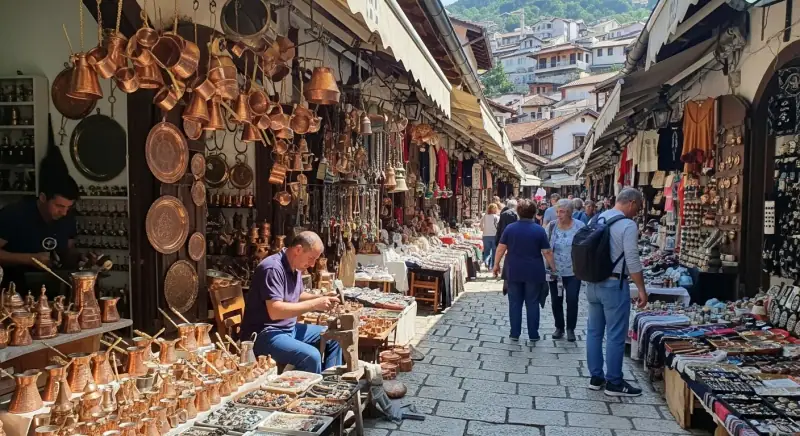
Bosnia Travel Budget: How Much Should You Plan for a Trip?
Everything about the budget for traveling in Bosnia and Herzegovina: accommodation, meals, transport, activities. Estimates by travel style.
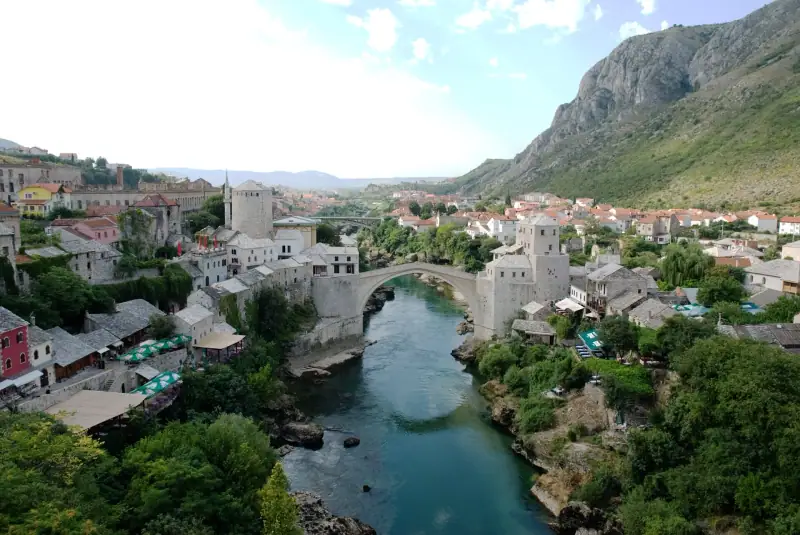
Visit Mostar: Complete Guide to the Pearl of Herzegovina
Everything to visit Mostar: Stari Most, Ottoman old town, day trips to Blagaj and Kravice, where to stay, budget and practical tips. 2026 guide.
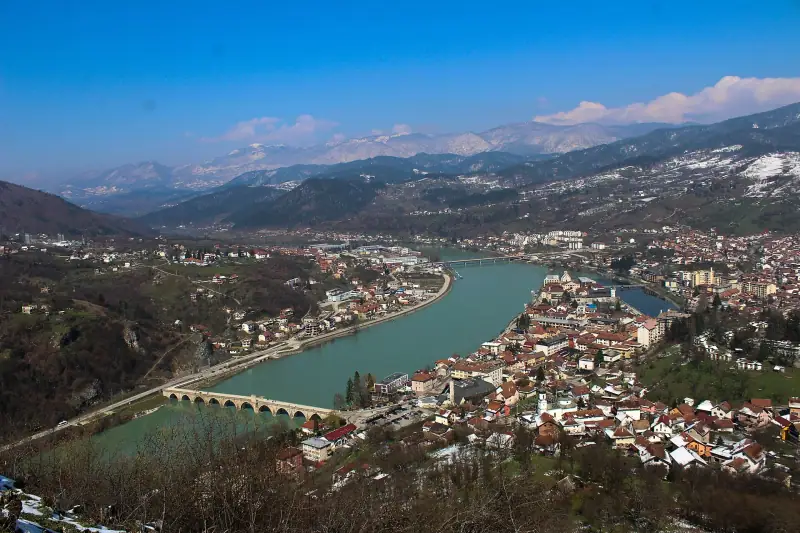
Višegrad: Visiting the Bridge on the Drina from Sarajevo, With or Without a Car
Mehmed Paša Sokolović Bridge in Višegrad: getting there from Sarajevo by car, bus or tour, visit length, free entry, Andrićgrad and practical tips.
Ready-made
Bosnia and Herzegovina itineraries
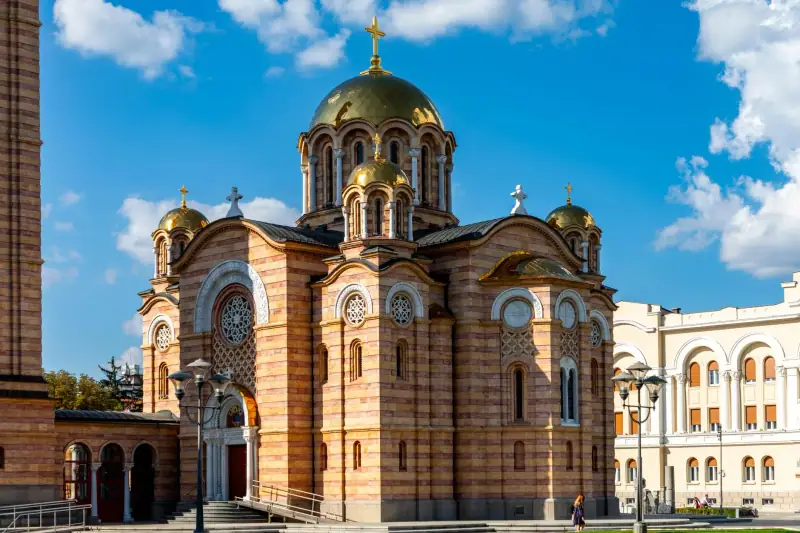
3 days
Northwest Bosnia: Banja Luka, Jajce and Una National Park
JajceBanja Luka
5 days
14 days
Bosnia and Herzegovina Road Trip: A 10 to 14 Day Itinerary by Car
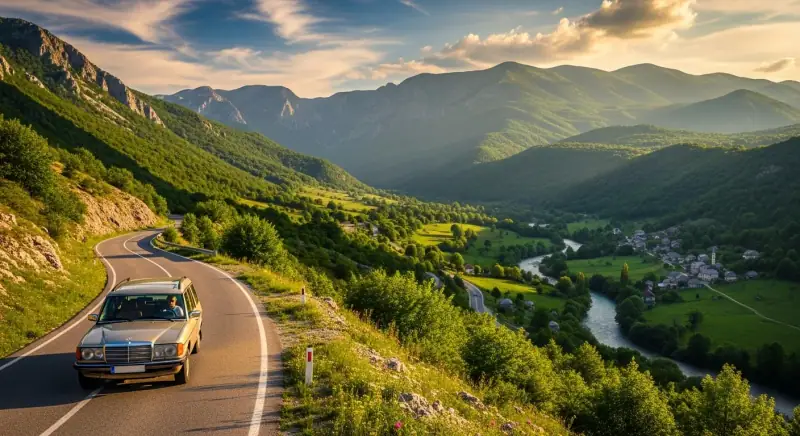
Road trip through Bosnia and Herzegovina in 10 to 14 days: Sarajevo, Mostar, the Una, Sutjeska and Trebinje. The full itinerary to see it all.