Where to stay
Where to stay in Clermont-Ferrand: neighborhoods and types of accommodation
We may earn a commission when you book through links on this page, at no extra cost to you. We don't visit or try the places we cover: we summarize published sources. How we work
In short
- For a first stay, the old center around Place de Jaude, the cathedral and Place de la Victoire is the most practical: walkable, many restaurants, tram nearby.
- You can stay without a car: the train station is close to the center and the tram crosses the city north to south.
- Montferrand suits a quieter medieval atmosphere; the station area suits a one-night stop; the foot of the Puys suits hiking but needs a car.
- Book early for event weekends. Outside events, finding a room is usually easier than in mountain villages.
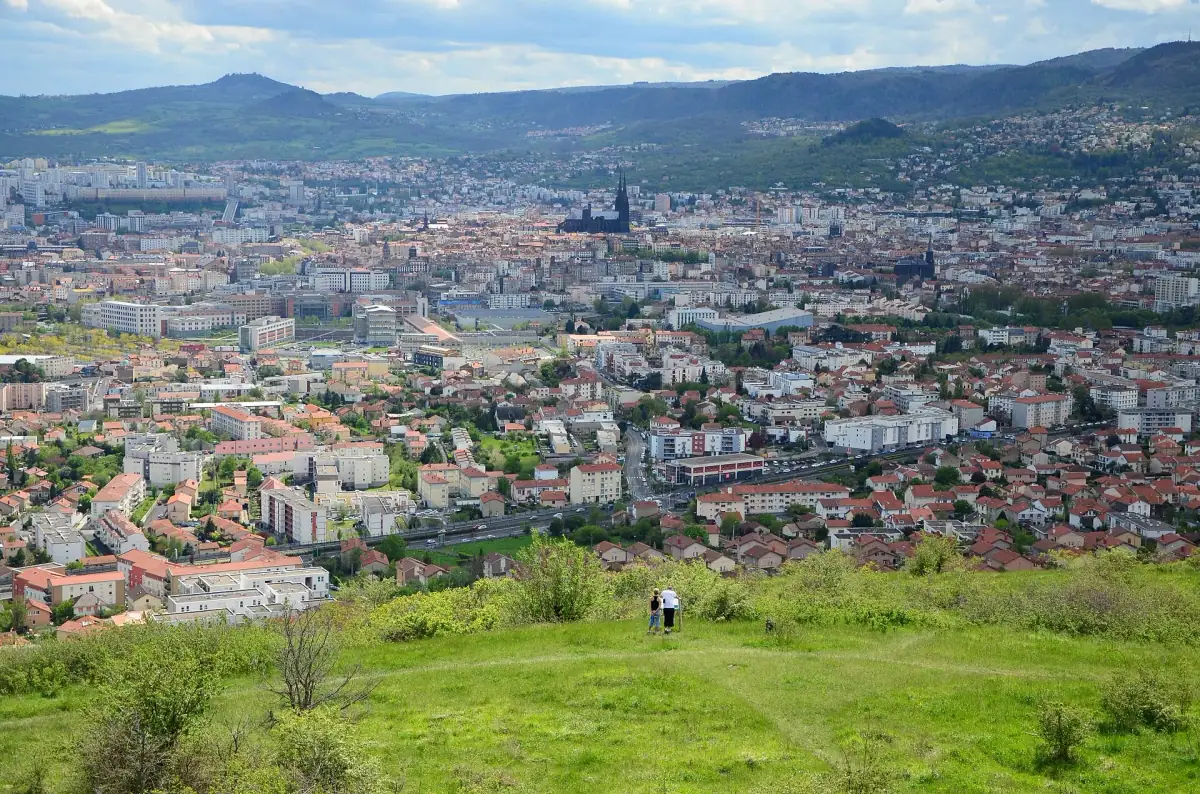
Clermont-Ferrand is the largest city in Auvergne and the natural gateway to the region. About 146,000 residents, more than 40,000 students, an old center built of Volvic stone, a dark volcanic rock, and a chain of volcanoes that appears at almost every street corner: the city has enough to keep you for more than one night. Yet choosing lodging here is less obvious than it seems. Historic center, Montferrand, the station area, the edges of the campuses, shopping districts or neighboring villages: each area meets a different need.
This guide details the main neighborhoods to stay in, the type of lodging found there, what to know about parking and transport, and the situations where it is better to stay outside the city. For an overview of the whole region, first see our guide to where to stay in Auvergne. Here, we zoom in on Clermont-Ferrand. This guide does not name specific properties: availability, reviews and rates change quickly, so it is better to compare them at the time you book.
How to choose your neighborhood in Clermont-Ferrand
The city stretches north to south over a volcanic hill, with the old center up high and more modern districts on the plain. Three questions are enough to guide your choice.
- How are you arriving? By train, stay near the station or the center. By car, choose lodging with parking or a neighborhood where parking is easier.
- What are you here to do? Visit the city, head to the volcanoes, attend a match or a concert, work: these are not the same needs.
- What atmosphere do you want? Lively with restaurants within a few steps, or quiet in the evening.
| Area | Best for | Atmosphere | Car |
|---|---|---|---|
| Old center (Jaude, cathedral, Victoire) | First visit, weekend, couples | Lively, pedestrian, black stone | Not needed |
| Notre-Dame-du-Port and surroundings | Romanesque heritage, relative calm | Residential, historic | Optional |
| Montferrand | Medieval atmosphere, quiet stay | Village within the city | Optional |
| Station area | Arriving by train, connections | Practical, urban | Not needed |
| Campus and hospital (south) | Stay tied to studies or health | Modern, well served by the tram | Optional |
| Neighboring villages and foot of the Puys | Hiking, quiet, nature stay | Rural or suburban | Essential |
If you stay two or three nights, a single base is enough: the city is compact and transport is efficient. Our guide to visiting Clermont-Ferrand details the sights to see depending on the neighborhood you choose.
The old center: Jaude, the cathedral and Place de la Victoire
Stay in central Clermont-Ferrand
Compare hotels and apartments near Place de Jaude and the cathedral.
This is the default choice, and it is hard to argue with. The center gathers Place de Jaude, a large shopping square dominated by the statue of Vercingetorix, the Gothic Notre-Dame-de-l’Assomption cathedral in Volvic stone, Place de la Victoire and a maze of pedestrian lanes. Restaurants, bars, shops and museums are all within walking distance of each other.
Advantages. You can do everything without a vehicle, walk back after dinner and enjoy the evening atmosphere. The tram, which crosses the city from north to south, passes near Place de Jaude: it easily connects the other neighborhoods. The offer here is the most varied: hotels of different standards, aparthotels, bed and breakfasts and furnished rentals.
Drawbacks. The old center is lively, especially at the end of the week: if you are a light sleeper, ask for a room on the courtyard side or on an upper floor. Parking is limited, and pedestrian streets can complicate access with a car or suitcases. Check where the entrance to your hotel’s parking is before arriving, as some areas are reserved for residents or deliveries.
Key takeaway: choose the center for a first stay, a weekend or a couple’s trip. It is the simplest option if you want to see the city without counting your trips.
Around Notre-Dame-du-Port
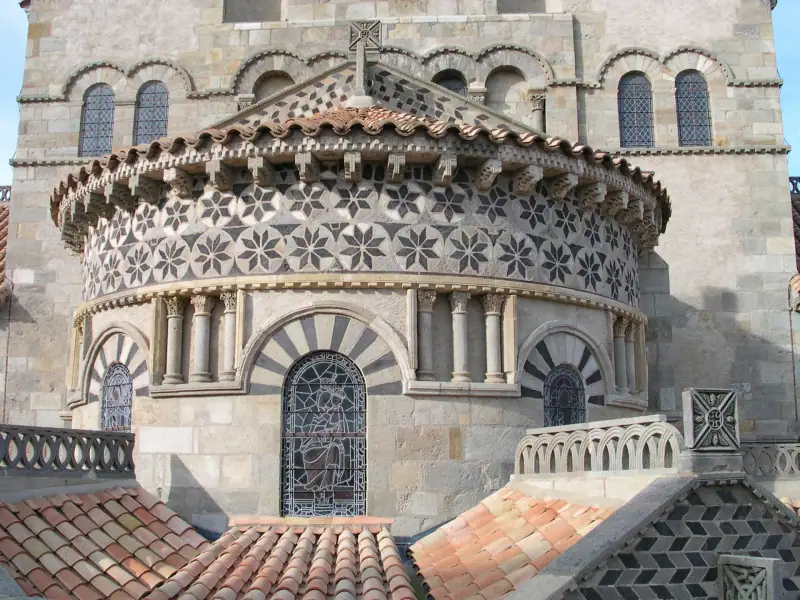
The Notre-Dame-du-Port basilica is one of the masterpieces of Auvergne Romanesque art. It is listed with other monuments as a UNESCO World Heritage Site as part of the Routes of Santiago de Compostela in France. The neighborhood around it is more residential than the shopping core, while remaining a few minutes’ walk from Place de Jaude and the cathedral.
You will mostly find small hotels, bed and breakfasts and apartments. The atmosphere is calmer in the evening, which suits travelers who want to be near the center without suffering its bustle. The neighborhood is hilly: bring comfortable shoes, as some streets climb steeply. If you travel with heavy luggage or reduced mobility, check access and whether there is an elevator.
Key takeaway: a good compromise between heritage and calm, halfway between the center and a residential neighborhood.
Montferrand: the medieval atmosphere
Montferrand was once a separate town, a rival of Clermont, before the two merged in the 17th century. This neighborhood, east of the center, keeps a medieval and Renaissance fabric: narrow streets, mansions, stone facades and the feel of a small market town. It is an area appreciated by history and photography lovers.
Lodging here is mostly made up of bed and breakfasts with character, small hotels and rentals in old buildings. The offer is less abundant than in the center, but the atmosphere is much calmer and the setting more authentic. Restaurants and shops are fewer than around Place de Jaude: plan to go to the center for a lively evening. The distance remains reasonable on foot or by public transport.
Who is it for? Travelers who like old stones, quiet stays and lodging with character. Less suited if you arrive late in the evening and want everything at hand.
Lodging with character in Clermont-Ferrand
Bed and breakfasts and small hotels in the old center and Montferrand to compare.
The station area
If you arrive by train, staying near the train station has an obvious advantage: you drop your bags in a few minutes and leave without stress the next morning. The station also serves Lyon and other cities of the region. The center is reachable on foot or in a few minutes by public transport.
The neighborhood is practical rather than picturesque. You find chain or mid-range hotels, often designed for business travelers and stopovers. Prices here are frequently more reasonable than right in the center, and rooms are easier to find at the last minute. On the other hand, do not expect the atmosphere of the old center: you have to walk a little to find it.
Key takeaway: choose this area for a stopover, a night before an early departure or a business trip, but not if you want to sleep in the historic setting of the city.
South and east: campus, hospital and large venues
The south of the city, served by the tram, concentrates the Cézeaux campus and the university hospital. A few hotels and residences have set up here to meet demand linked to studies, conferences and care. The atmosphere is modern, functional and without heritage charm, but the lodging is practical and tram service is direct.
This area can make sense if your stay is tied to an event or a specific appointment: concerts at the Zénith d’Auvergne, matches or shows at the Polydome, rugby games at the Marcel-Michelin stadium, a relative’s hospital stay, a university open day. In these cases, always check the real distance between the lodging and the venue, as well as the last evening transport time.
For a typical tourist, these neighborhoods are not a priority. The price saving is sometimes real, but you will spend more time on transport to reach the center and its restaurants.
Sleeping outside the city: foot of the Puys and neighboring villages
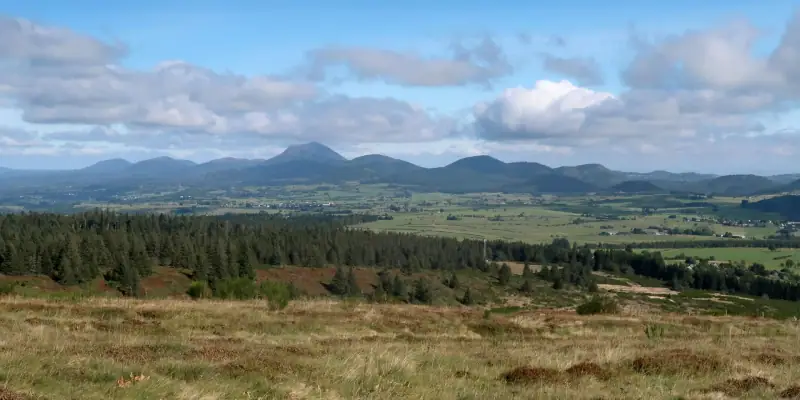
Some travelers prefer to stay outside Clermont-Ferrand: guesthouses in Volvic stone, gîtes with a garden, lodging with views of the volcanic cones. The atmosphere is radically different: calm, silent nights, an open horizon and trailheads within driving distance.
This option is interesting if your stay centers on hiking or the Puy de Dôme: you avoid the morning traffic and reach the trails before the crowd. Our guide to hiking in Auvergne between volcanoes and lakes helps you pick walks that start from this area.
The trade-off: a car becomes essential, restaurants are rarer and you depend on arrival times that are often fixed. If you do not have a vehicle, stay in the city and plan your excursions with organized transport. To learn about the options, read our article on how to get around Auvergne.
Excursions from Clermont-Ferrand
Guided tours and trips to the Chaîne des Puys to book in advance.
Which type of accommodation to choose?
Beyond the neighborhood, the type of lodging changes your stay. Here is what you find in Clermont-Ferrand.
- Hotels: the widest offer, from budget chains to charming properties. They suit short stays and late arrivals, with a front desk and breakfast.
- Aparthotels and residences: a kitchenette, more space, discounted rates over longer stays. Practical for families, work trips and stays of more than three nights.
- Bed and breakfasts (chambres d’hôtes): personal welcome, old buildings, often a carefully prepared breakfast. Arrival times are generally fixed: tell your host if you arrive late.
- Short-term furnished rentals: an entire apartment, often in the center or in Montferrand. Check self-check-in conditions, parking, winter heating and building rules.
- Hostels and budget lodging: useful for small budgets and solo travelers. Compare recent reviews and cancellation conditions.
- Campgrounds and gîtes on the outskirts: for those who want a nature stay with easy access to the city by car. Check opening dates, which vary by season.
For a couple’s weekend, a small hotel or a bed and breakfast with character in the center or in Montferrand has more charm. For a family, an aparthotel or a rental with a kitchen gives freedom. For a one-night stop, a hotel near the station is generally the most efficient. If you want to calibrate your overall budget, our article on the budget for a trip to Auvergne gives you benchmarks.
Parking, transport and accessibility
Clermont-Ferrand is a city where you get around well without a car. The rubber-tired tram, opened in 2006, links the north and south ends of the urban area and serves notably Place de Jaude, the Cézeaux campus and the hospital. Buses complete the network and a line links downtown to the airport, about ten minutes by car east of the city. The airport also has a train station, which makes connections easier.
If you come by car, keep a few rules in mind:
- Check the lodging’s parking: on the property, partner or public nearby, and at what rate.
- Avoid driving in the old center: many streets are pedestrian or regulated. Park, then walk to your lodging.
- Find out about traffic restrictions that apply to older vehicles before you leave.
- Plan for event days: car parks near the large venues and the stadium fill up quickly.
If you need a car only for an excursion to the volcanoes, it may be cheaper to stay downtown without a vehicle and rent for a day. For reduced mobility, ask the lodging whether it has an elevator, a ground-floor room and an adapted bathroom: the relief of the old center makes this information important.
When to book and how to avoid pitfalls
Clermont-Ferrand has no marked high season like a mountain resort, but it has event-related peaks: major cultural events, concerts, matches, trade fairs, the start of the university year. The international short film festival, held every year in winter, draws many visitors in particular. If your dates coincide with a major event, book several weeks ahead.
A few reflexes before confirming a booking:
- Choose free cancellation: it lets you adjust your plans if the weather or itinerary changes.
- Read recent reviews on noise, cleanliness and the reality of parking.
- Check the exact address on the map: “downtown” can mean fairly distant areas.
- Look at breakfast and check-in time: essential if you leave early or arrive late.
- Compare hotel and apartment for a stay of more than three nights.
Also keep in mind that a night in Clermont-Ferrand fits very well into a wider tour. Our 3-day Auvergne itinerary shows how to link the city, the Chaîne des Puys and the Sancy Massif with a minimum of driving.
A night near Clermont-Ferrand station
Practical hotels for an arrival or departure by train.
Which neighborhood for which trip?
To sum up, here are recommendations by type of stay:
- First stay, weekend or couple’s trip: the old center, around Place de Jaude and the cathedral.
- History lovers and quiet seekers: Montferrand or the area around Notre-Dame-du-Port.
- Train stopover, business trip: the station area.
- Stay tied to an event, the university or the hospital: the south of the city, along the tram.
- Hiking and nature: a village at the foot of the Puys, with a car.
- Family staying more than three nights: an aparthotel or a rental with a kitchen, well served by the tram.
Whatever you choose, do not reduce Clermont-Ferrand to a simple overnight stop. Between its black cathedral, its Romanesque churches, its museums and its view of the volcanoes, the city deserves at least a quiet evening and a morning of sightseeing. Book with flexible cancellation, check parking and keep a little slack in your schedule: it is the best way to enjoy the capital of Auvergne without stress.
Frequently asked questions
What is the best neighborhood to stay in Clermont-Ferrand?
For a first stay, the old center, around Place de Jaude, the cathedral and Place de la Victoire, is the most practical: everything is walkable, restaurants are plentiful and the tram passes nearby. Montferrand is better if you want a quieter medieval atmosphere.
Can you stay in Clermont-Ferrand without a car?
Yes. The train station is close to the center, the tram crosses the city from north to south and a bus network completes the offer. A car is only really useful to reach the Puy de Dôme, the lakes and the villages of the Sancy or the Cantal.
Should you book a hotel with parking in Clermont-Ferrand?
If you come by car, it is advisable. Parking in the old center is limited and often paid. Check whether the parking is on the property, whether it is paid and whether it fits a large vehicle, or locate a public car park nearby.
Where should you stay in Clermont-Ferrand for a business trip or an event?
Hotels near the station and downtown are the most practical without a car. For an event at the Zénith d'Auvergne, the Polydome or the stadium, look at the real distance and the transport connections. For a big sports or cultural event, rooms fill quickly: book early.
Are there bed and breakfasts and furnished rentals in Clermont-Ferrand?
Yes. You find bed and breakfasts and short-term apartments in the center and in Montferrand, as well as gîtes in neighboring villages. For a stay of several nights, an apartment with a kitchen can be cheaper and more flexible than a hotel room.
Is it better to stay in Clermont-Ferrand or near the Puy de Dôme?
Clermont-Ferrand offers more choice, restaurants and transport. Villages close to the Chaîne des Puys are quieter and closer to the trails, but require a car. For a trip mixing city and volcanoes, the city remains an excellent base: the Puy de Dôme is a short drive away.
What is the best time to book in Clermont-Ferrand?
The city is not a beach destination: crowds depend mostly on events, the start of the university year and summer holidays. Book ahead for event weekends. The rest of the year, finding a room is generally easier than in mountain villages.
More Auvergne guides
Keep reading
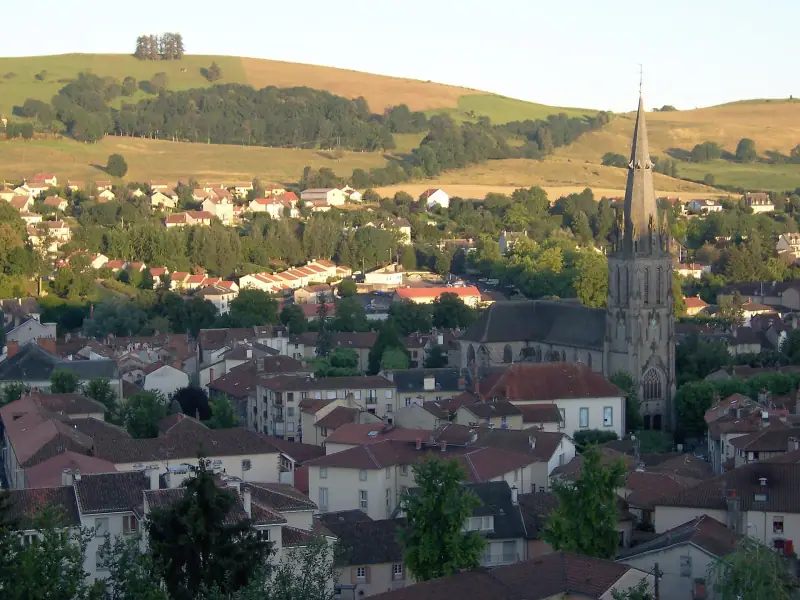
Where to stay in Aurillac: neighborhoods and types of accommodation
Where to stay in Aurillac? Old town, Saint-Géraud, near the station, outskirts and countryside: compare areas and lodging for your trip.
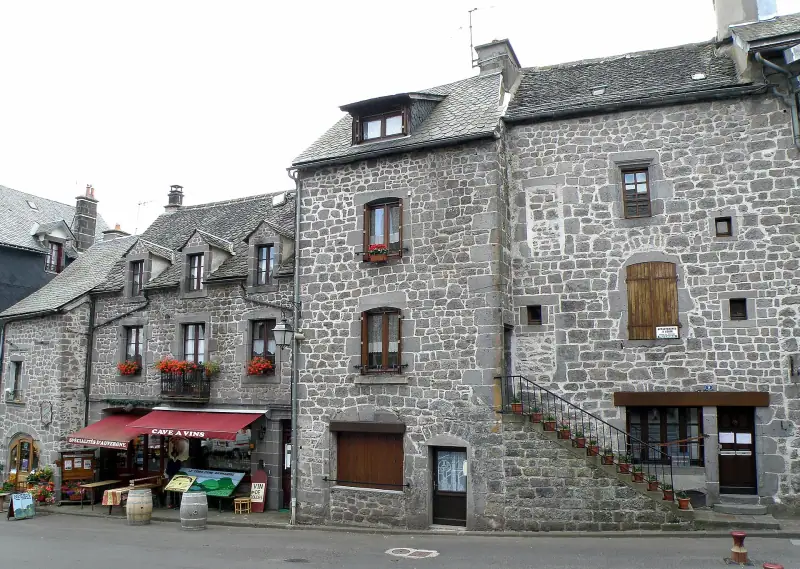
Where to stay in Besse-et-Saint-Anastaise: areas and types of accommodation
Where to stay in Besse-et-Saint-Anastaise? Medieval village, Saint-Anastaise, Super-Besse, countryside: compare areas and lodging in the Sancy.
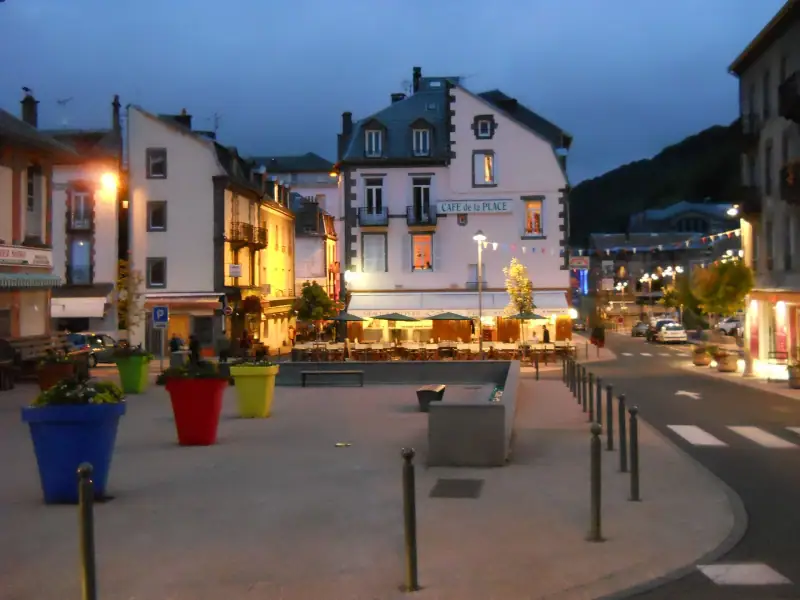
Where to stay in Le Mont-Dore: areas and types of accommodation
Where to stay in Le Mont-Dore? Spa center, cable car area, neighboring La Bourboule: compare areas and types of lodging for your trip.
Ready-made
Auvergne itineraries
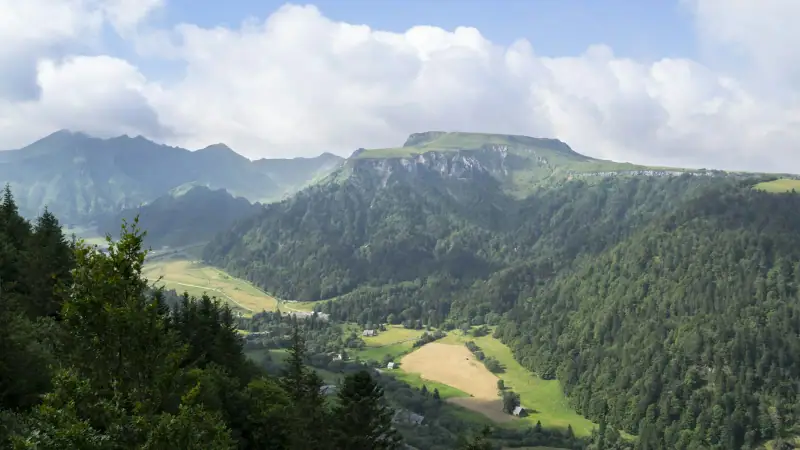
7 days
A week in Auvergne with kids: day-by-day itinerary
Clermont-FerrandLe Mont-DoreSalers
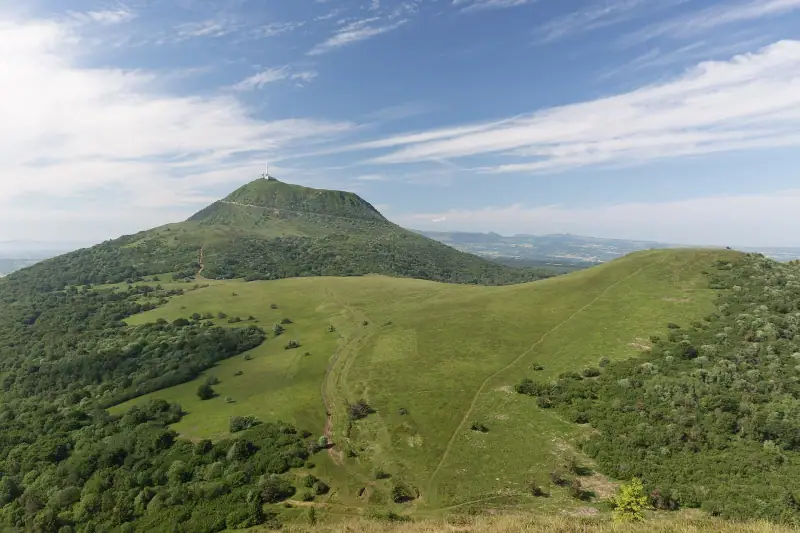
3 days
3 days in Auvergne: an itinerary of volcanoes, lakes and stone villages
Clermont-FerrandLe Mont-Dore or Besse-et-Saint-Anastaise
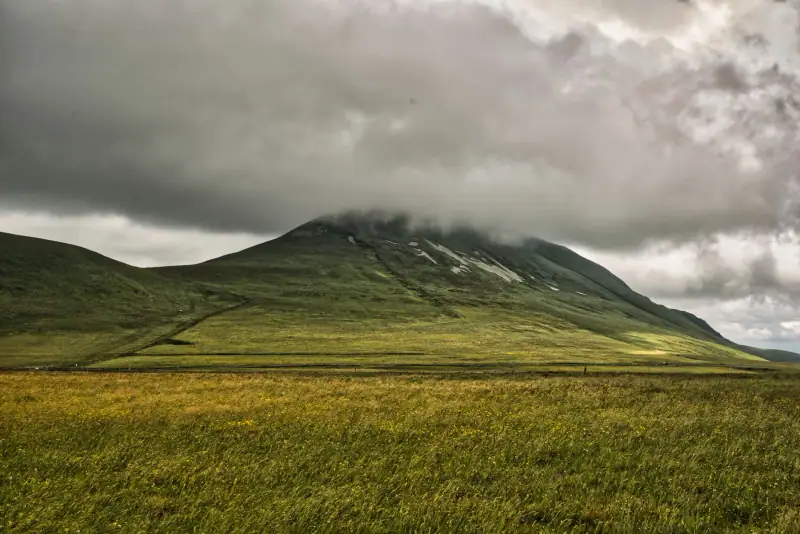
7 days
Auvergne road trip in 7 days: volcanoes, Cantal and Haute-Loire
A 7-day driving itinerary in Auvergne: Puy de Dôme, Sancy, Lake Pavin, Salers, Puy Mary, Le Puy-en-Velay. Stops, realistic drives and practical tips.