Where to stay
Where to stay in Jiufen: the best accommodation for your budget
We may earn a commission when you book through links on this page, at no extra cost to you. We don't visit or try the places we cover: we summarize published sources. How we work
In short
- Staying one night in Jiufen lets you see Old Street before 10 am and after the tour buses leave around 8-9 pm; 1 night is strongly recommended for a first trip.
- Old Street B&Bs run about NT$1,800-2,800 on weekdays (about US$58-90); sea-view places NT$3,500-6,000; Ruifang is 30 to 50% cheaper.
- Three zones: Jiufen Old Street (on foot only), Jinguashi (calm, 5 km / 3 mi east) and Ruifang (train station, cheapest, 4 km / 2.5 mi below).
- Book 4 to 6 weeks ahead for high-season weekends, 2 to 3 months for Lunar New Year or National Day.
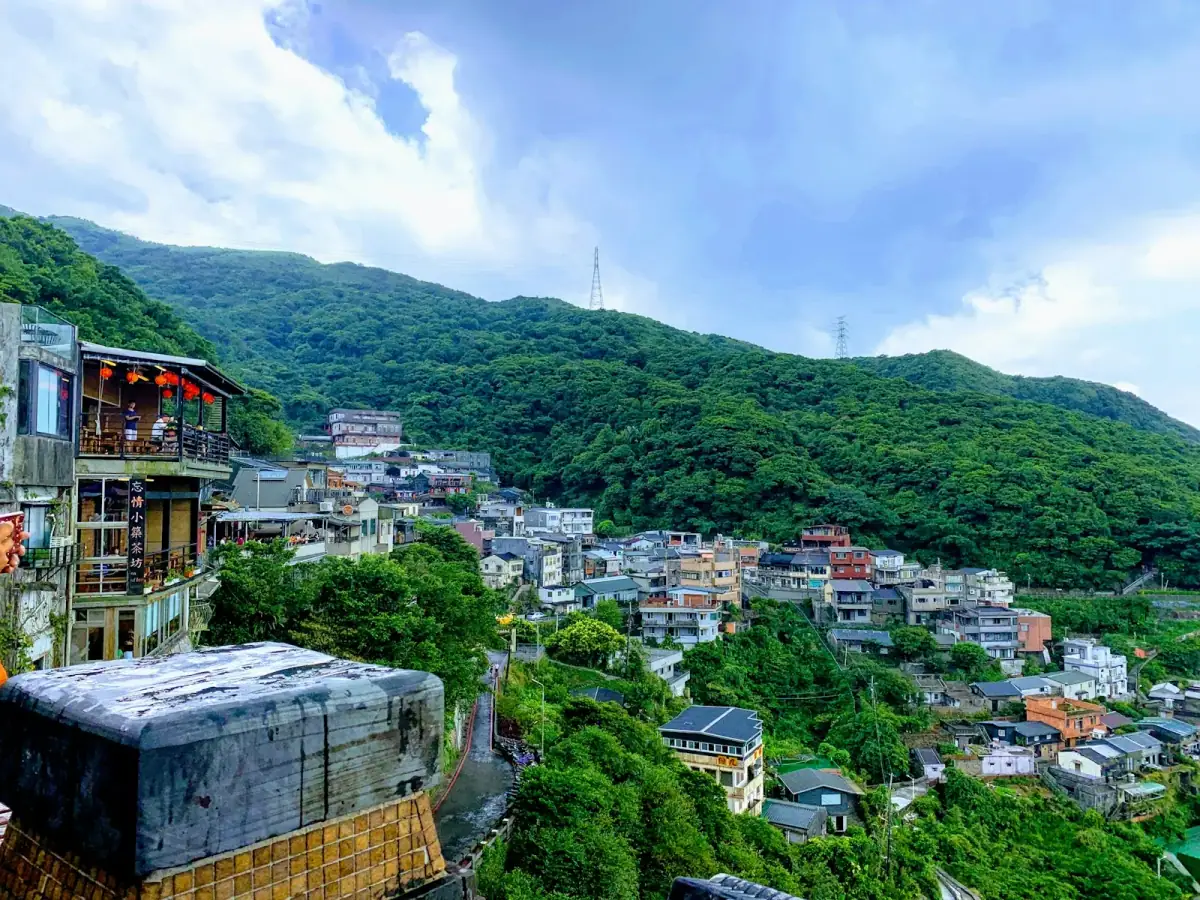
Jiufen (九份) is one of the most photographed villages in Taiwan: its red-lantern alleys, its wooden stilt houses clinging to the mountainside and its teahouses with views of the Pacific Ocean make it an out-of-the-ordinary destination. But because of its meteoric success as a day trip from Taipei, few travelers realize that spending a night there is one of the best decisions they can make for their trip. This guide explains where to stay in Jiufen, in which areas, at what prices, and how to book the few rooms of a village that was never meant to host the masses.
Why stay overnight in Jiufen rather than go back to Taipei in the evening
The vast majority of tourists visit Jiufen as a day trip from Taipei, arriving in mid-afternoon and leaving after dinner. The result: between 1 and 7 pm, Old Street is flooded, lines in front of the popular stalls get longer and the village’s authentic atmosphere drowns in the crowd.
Spending a night in Jiufen changes everything. In the morning, before 10 am, Old Street belongs to the residents and the few travelers who had the good idea of staying. The stone steps are silent, the teahouses just opening welcome their first customers, and the morning light over Keelung Bay is exceptional. In the evening, after the last tourist buses leave around 8-9 pm, Jiufen returns to its true nature: the red lanterns come on, the stalls close one by one, and a few lucky travelers dine in the Old Street restaurants in a peaceful, almost unreal atmosphere.
For a stay in Taiwan that includes the northeast coast, 1 night in Jiufen is an investment well worth the cost of the room.
Understanding Jiufen’s geography to choose your accommodation
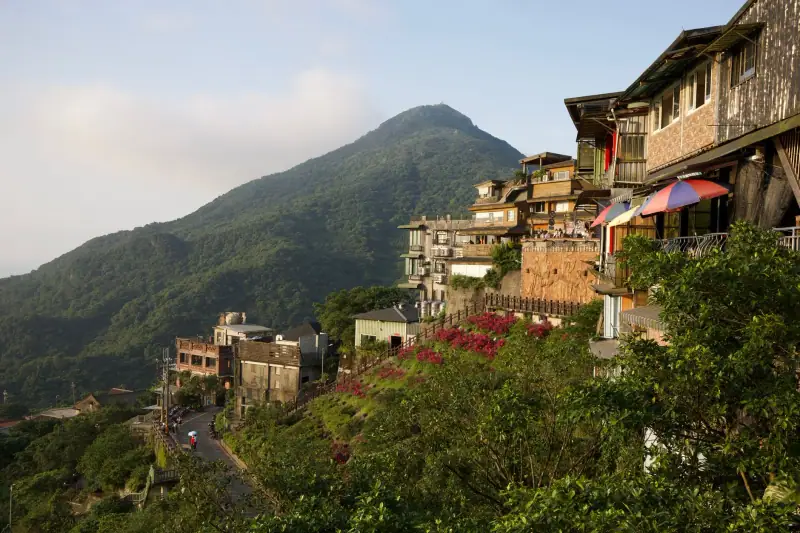
Jiufen and its surroundings split into three main zones for travelers:
Jiufen Old Street (九份老街) is the historic heart of the village, a succession of cobbled, stepped alleys climbing the mountainside. This is where the iconic red lanterns, the teahouses with panoramic terraces and the local specialty shops are. Accommodation is concentrated there but limited: the very dense fabric of old wooden houses does not allow big hotels to be built.
Jinguashi (金瓜石) is the neighboring mining village, about 5 kilometers (3 mi) by road east of Jiufen. A former gold and copper mine active in the Japanese era, now an open-air museum, Jinguashi is calmer, less touristy and has a handful of additional places to stay for those who want to enjoy the region without the Old Street crowd.
Ruifang (瑞芳) is the lowland town at the foot of the mountain, about 4 kilometers (2.5 mi) from Jiufen by road. Ruifang has a railway station well connected to Taipei and Hualien, and a wider, cheaper choice of accommodation than Jiufen. It is the best option for logistics for travelers who want to combine Jiufen (as an excursion from Ruifang) with the rest of the trip toward the east coast.
Staying on Jiufen Old Street: the experience right in the village
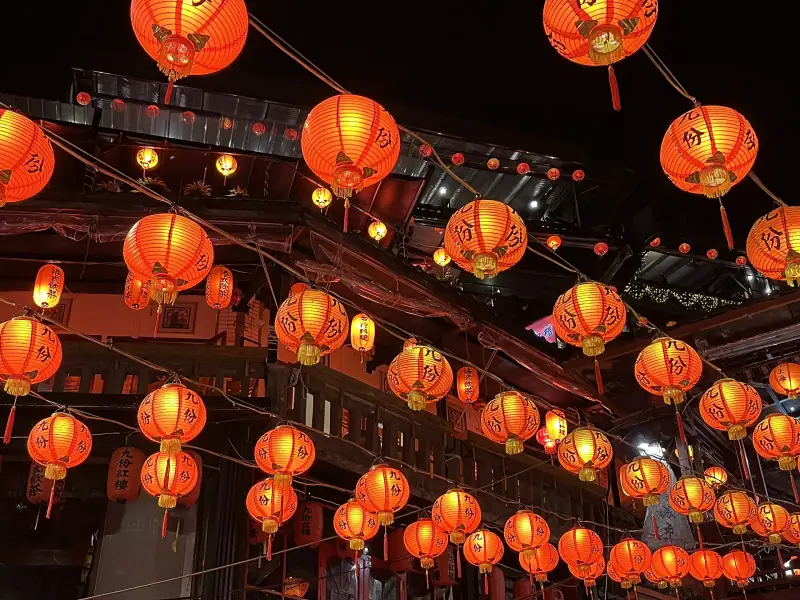
Choosing accommodation on Jiufen Old Street means accepting a few constraints in exchange for a unique experience. The alleys are narrow and stepped, which makes access with big suitcases difficult; prefer a backpack or light wheeled luggage. Vehicles cannot reach the heart of the village: the taxi or bus will drop you at the entrance, and you will have to walk 5 to 15 minutes to reach your accommodation.
B&Bs and local guesthouses
B&Bs (民宿, mínsù) are the dominant format in Jiufen. These small guesthouses of 4 to 15 rooms are often set in former wooden or stone houses typical of early 20th-century architecture. Many have a terrace or a common room with views of the sea and mountains.
- Weekday price (outside high season): NT$1,800-2,800 per double room (about US$58-90)
- Weekend or high-season price: NT$3,000-5,000 (about US$95-160)
- Single rooms: NT$900-1,500 (about US$29-49) in the cheapest places
Quality varies considerably from one B&B to another: some offer modern air-conditioned rooms with a private bathroom and sea view, others simpler rooms with basic equipment. Recent reviews on online booking platforms are your best compass.
What you can expect:
- Warm welcome and local advice from the owners
- Breakfast often included (or offered at low cost)
- The authentic atmosphere of an old Taiwanese house
- A 1 to 5 minute walk to the main sites of Old Street
Constraints to anticipate:
- Access on foot only from the bus stop (luggage to manage)
- Rooms sometimes small (dense urban fabric)
- Possible noise on weekends while visitors are present
- No parking on Old Street (if you come by car, park at the village entrance)
B&Bs on Jiufen Old Street
Authentic guesthouses with sea views or a panoramic terrace in the lantern village.
Boutique stays with bay views
A few Jiufen properties have made the most of the village’s number one asset: the plunging view over Keelung Bay and the Pacific Ocean. These B&Bs and small boutique hotels have terraces, picture windows or panoramic windows overlooking the water, and their rates naturally reflect this advantage.
- Price: NT$3,500-6,000 per double room (about US$115-195), sometimes more for suites with a private terrace
- Strengths: spectacular view, intimate atmosphere, often only 5 to 10 rooms
- Keep in mind: these places are full several weeks ahead for weekends, so book very early
The night view over the bay from a Jiufen terrace, with the lights of the coast in the distance and the village lanterns all around, is one of those travel moments you remember for a long time. If this kind of experience matters to you, this is where to invest your accommodation budget.
Staying in Jinguashi: calm and mining heritage
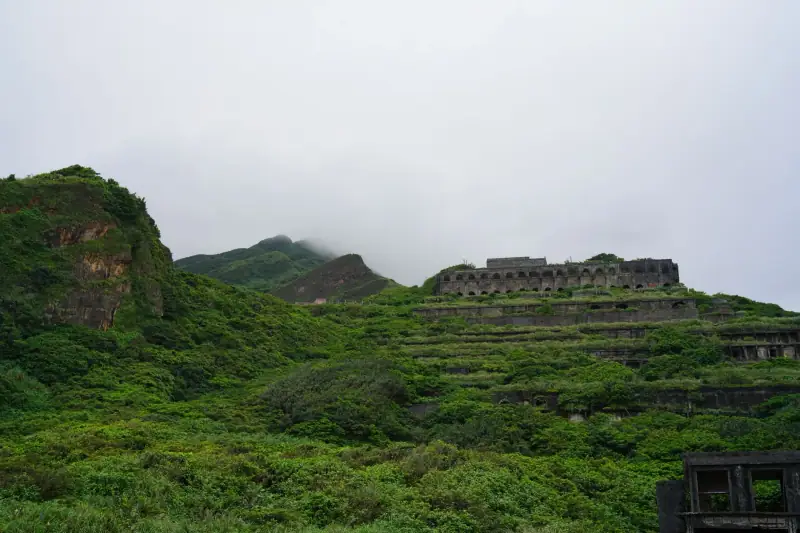
Jinguashi is often treated as a simple extension of the Jiufen visit, but the village has its own identity and a few places to stay for travelers who want to explore the region in depth. About 5 km (3 mi) by road east of Jiufen (about 10-15 minutes by local bus or 20-30 minutes on foot on mountain paths), Jinguashi is much less visited and much calmer.
Why choose Jinguashi?
- Guaranteed calm: Jinguashi receives fewer visitors than Jiufen and the atmosphere is clearly quieter, even on weekends.
- Unique historic heritage: the Gold Ecological Park (黃金博物館) and the well-preserved Japanese industrial installations deserve a half day of visiting. Staying overnight lets you explore the site before opening and after closing.
- Hiking trails: several trails link Jinguashi to Jiufen, Mount Keelung and the coast. Hikers will appreciate setting off early in the morning from their local accommodation.
- Same sea views: Jinguashi’s mountain setting offers the same kind of coastal panoramas as Jiufen, often from less crowded spots.
Types of accommodation in Jinguashi
Choice is more limited than in Jiufen: a few family B&Bs, hostels and a few independent guesthouses.
- Price: NT$1,500-3,000 per double room (about US$50-95)
- Accommodation near the museum: the Gold Ecological Park site long offered simple rooms in a historic setting; it could not be confirmed that they still exist, so check with the park or on the booking platform before counting on them.
Jinguashi is an ideal option for travelers who want to explore the northeast region of Taiwan over 2 days, combining the alleys of Jiufen and the mining heritage of Jinguashi without going back to Taipei in between.
Stays in Jinguashi and around
B&Bs and guesthouses in the former mining village, calmer than Jiufen with the same sea panorama.
Staying in Ruifang: the logistics and budget solution
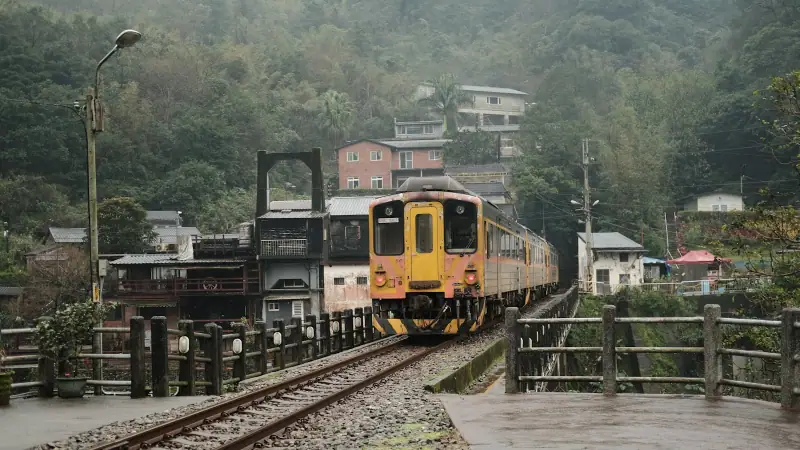
Ruifang is the lowland town at the foot of the mountain that serves Jiufen. Its railway station (瑞芳火車站) is a hub for travelers moving between Taipei and Taiwan’s east coast. From an accommodation point of view, Ruifang has several concrete advantages:
Ruifang’s strengths for accommodation
Lower prices. Ruifang’s hotels, B&Bs and guesthouses are generally 30 to 50% cheaper than in Jiufen for similar quality. For travelers on a tight budget, the difference can be US$23-35 a night.
Hassle-free access. No stepped alleys, no walking with luggage: your taxi or bus drops you right in front of the accommodation. Travelers with a rental car will also find parking much more easily in Ruifang than in Jiufen.
Transport hub. Ruifang station makes it easy to reach Taipei (about 40-50 minutes), but also Hualien and the east coast via the TRA east coast line. It is the right place to spend the night if you chain Jiufen with a stay in Taroko Gorge or Hualien.
Practical amenities. Supermarkets, neighborhood restaurants, pharmacies, ATMs: Ruifang has all the amenities of an ordinary Taiwanese town, whereas Jiufen is essentially touristy.
Types of accommodation in Ruifang
- Simple hotels: NT$1,200-2,000 per double room (about US$38-65), air-conditioned room, private bathroom, no particular view
- B&Bs: NT$1,500-2,500 (about US$49-80), more character than chain hotels
- Capsule hotels or hostels: a few modern places offer capsule rooms or dorms from NT$600-900 per person (about US$20-29)
Getting from Ruifang to Jiufen is by local bus (about 15-20 minutes, frequency varying by time of day) or by taxi (NT$150-200, about US$4.60-7). First bus in the morning around 6-7 am, last bus in the evening around 9-11 pm depending on the season.
Comparison of accommodation areas around Jiufen
| Area | Atmosphere | Relative price | Ideal for |
|---|---|---|---|
| Jiufen Old Street | Unique, touristy by day, magical at night | ★★★ | Authentic experience, night photos, first trip |
| Jiufen with sea view | Panoramic, intimate | ★★★★ | Couples, experienced travelers, unforgettable moments |
| Jinguashi | Calm, historic | ★★ | Heritage fans, hikers, moderate budget |
| Ruifang | Practical, no particular charm | ★★ | Budget travelers, transport connections, families with luggage |
Practical tips for booking in Jiufen
Book long ahead for weekends. Jiufen’s accommodation supply is structurally limited: the stepped village cannot host big hotels, and the existing B&Bs are few. For a high-season weekend (May to October) or during Taiwanese festivals, 4 to 6 weeks’ notice at minimum is recommended. For Lunar New Year or National Day (early October), allow 2 to 3 months.
Manage your luggage smartly. Jiufen Old Street is reachable only on foot from the bus stop. The stairs are sometimes steep and the alleys narrow. If you travel with a large hard-shell wheeled suitcase, Ruifang or Jinguashi (car access possible) are more practical alternatives. If you insist on Old Street, several properties offer to pick up luggage at the bus stop; ask when booking.
Anticipate the weather. The Jiufen-Ruifang area is one of the rainiest in Taiwan, rainy all year, with a peak in summer and fall (June to October). Mist and low clouds can be very present, making the sea view less spectacular. On the other hand, Jiufen’s misty atmosphere has its own melancholy charm and can produce superb photos. Bring a raincoat or compact umbrella whatever the season.
Use off-peak hours. To experience Jiufen’s magic without the crowds, plan your Old Street visit between 7 and 10 am, or after 8 pm. This is one of the great privileges of those who stay overnight. If you come by bus from Taipei, try to arrive in the late afternoon rather than early afternoon to avoid the peak crowds.
Check access conditions. In case of a typhoon (July to October season, sometimes from June), the access roads to Jiufen can be temporarily closed. Local B&Bs generally have flexible cancellation policies during official weather alerts. Keep an eye on Taiwanese weather bulletins if you travel in peak typhoon season.
To prepare your whole stay in the region and optimize your route, our guide to visiting Jiufen details all the must-see sites and the best ways to organize your days. And if you also plan to stay in the capital, our article where to stay in Taipei will guide you in choosing the right district.
Stays in Ruifang, near the station
Hotels and B&Bs in Ruifang, 15 minutes by bus from Jiufen, ideal for train connections to Taipei or the east coast.
Accommodation budget in Jiufen and around: summary
Here is a summary of price ranges by traveler type and chosen area:
Budget traveler: dorm or economy room in Ruifang, or a basic room in Jinguashi. Allow NT$600-1,400 per person per night (about US$20-46). Access to Jiufen by local bus from Ruifang for NT$25-30.
Mid-range traveler: a well-kept B&B on Jiufen Old Street or in Jinguashi, double room with a private bathroom. Allow NT$1,800-3,000 per room (about US$58-97). This is the most represented range and the best value for experience for a stay in Jiufen.
Comfort traveler: a B&B or boutique hotel with a panoramic terrace, views of the Pacific Ocean and attentive service. Allow NT$3,500-6,000 per room (about US$115-195). Book at least 3 to 4 weeks ahead for weekends, longer in high season.
Luxury traveler: a few high-end places in the region offer suites with a private terrace and exclusive sea views. Allow NT$6,000-10,000 per room (about US$195-325). Supply remains rare and demand strong, so plan as early as possible.
To complete your picture of the overall budget of your Taiwan stay, our article Taiwan budget details costs by item (transport, meals, site entrances) and helps you size your budget to your travel style.
Jiufen is one of those destinations where the accommodation question goes beyond simply choosing a bed for the night: it determines your relationship with the village. Those who stay overnight in Jiufen see a village that day-trippers will never see, silent, wrapped in morning mist or lit with lanterns in the calm night. Supply is limited, prices reasonable for the experience offered, and advance booking essential. But for those who had the good idea of staying, Jiufen stays engraved in memory long after the trip ends.
Frequently asked questions
Should you stay overnight in Jiufen or make a day trip from Taipei?
Both options are valid, but staying overnight radically changes the experience. Jiufen is flooded with visitors between 1 pm and 6 pm. Spending the night lets you enjoy the unique night atmosphere of the red lanterns and visit Old Street in the morning before the buses arrive. For a first trip, 1 night in Jiufen is strongly recommended.
What are accommodation prices in Jiufen?
B&Bs on Jiufen's Old Street start at about NT$1,800-2,500 (about US$58-81) for a double room on a weekday outside high season. Places with sea views or a panoramic terrace easily show NT$3,500-6,000 (about US$115-195). In Ruifang (the town below), prices drop to NT$1,200-1,800 (about US$38-58). Weekends and Taiwanese public holidays see rates double.
How do you get to Jiufen from Taipei?
The most practical combination from Taipei is the train to Ruifang (about 40-50 minutes from Taipei Main Station, TRA line), then the local bus to Jiufen (about 15-20 minutes) or a taxi (about NT$150-200 / US$4.60-7). Direct buses from Zhongxiao Fuxing bus station (Taipei) also serve Jiufen, but with variable durations depending on traffic (1 to 2 hours). By car or scooter from Taipei: about 1 h to 1 h 30 depending on traffic.
Are there hostels in Jiufen?
Classic hostels (dorms) are rare on Jiufen's Old Street, whose narrow alleys don't suit large establishments. A few B&Bs offer shared rooms or economical single rooms from NT$900-1,400 (about US$29-46). For tight budgets, Ruifang (the town below) offers more affordable options with easy bus access to Jiufen.
Which area is best to stay in Jiufen?
Jiufen Old Street is the ideal choice for experiencing the village's authentic atmosphere, especially in the evening once the visitors have left. Jinguashi suits mining-heritage fans and those who want calm. Ruifang is the budget solution with the best transport connections. Outside these three areas, no notable accommodation exists nearby.
When should you book in Jiufen?
Book at least 2 to 3 weeks ahead for weekends and 1 to 2 months for Taiwanese festival periods (Lunar New Year, National Day in October). Jiufen's accommodation supply is structurally limited: the village cannot hold many rooms in its stepped alleys. On weekdays outside school vacations, you can generally find last-minute availability.
More Taiwan guides
Keep reading
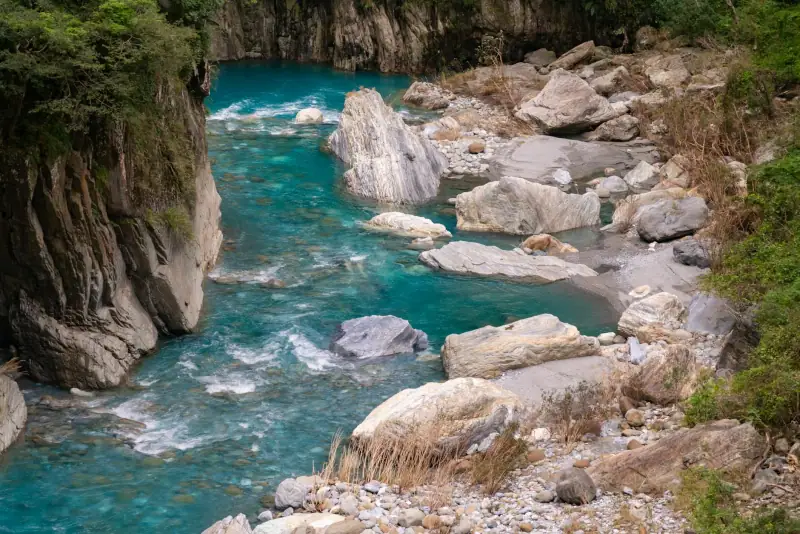
Where to stay in Hualien: hotels and B&Bs for exploring Taroko
The best places to stay in Hualien, gateway to Taroko Gorge: hotels, B&Bs and hostels for every budget.
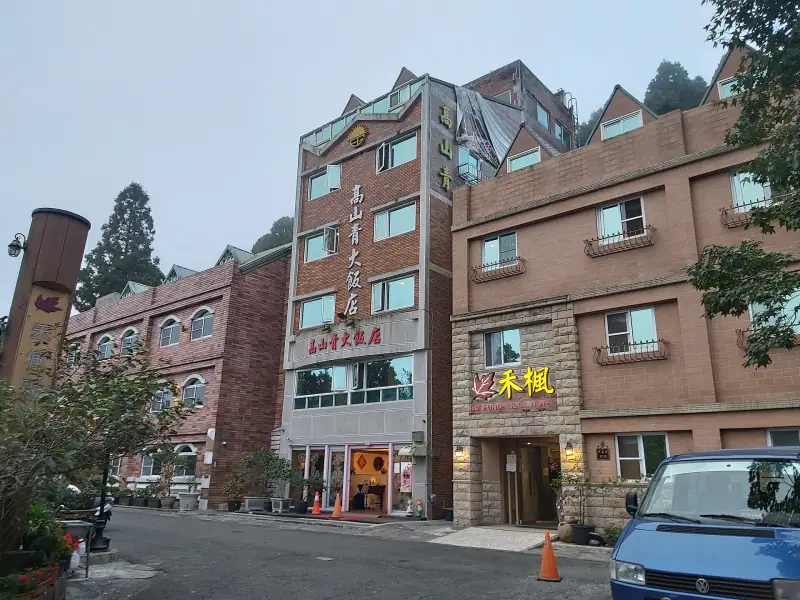
Staying in Alishan or Chiayi: where to stay for the sunrise in Taiwan
Alishan or Chiayi? Where to stay to see the sunrise over the sea of clouds: trains, times, accommodation types, booking tips and mistakes to avoid.

Visiting Kaohsiung: a complete guide to the southern metropolis
Everything to visit Kaohsiung: Pier-2, Lotus Pond, Cijin, night markets, transport and practical tips for southern Taiwan's gem.
Ready-made
Taiwan itineraries
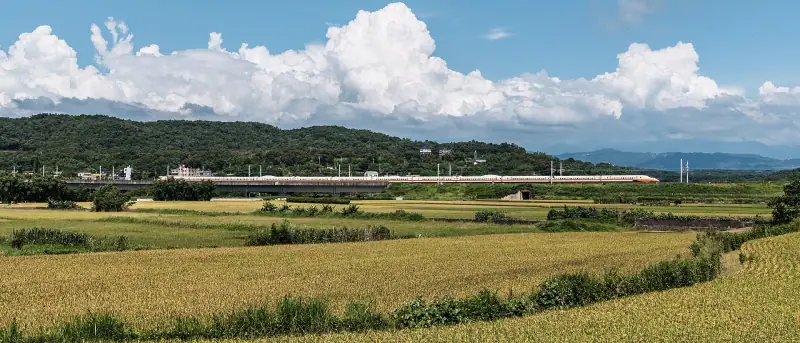
10 days
Taiwan in 10 days without a car: train and HSR itinerary, stops and travel times
TaipeiSun Moon LakeTainanKaohsiungKentingHualien
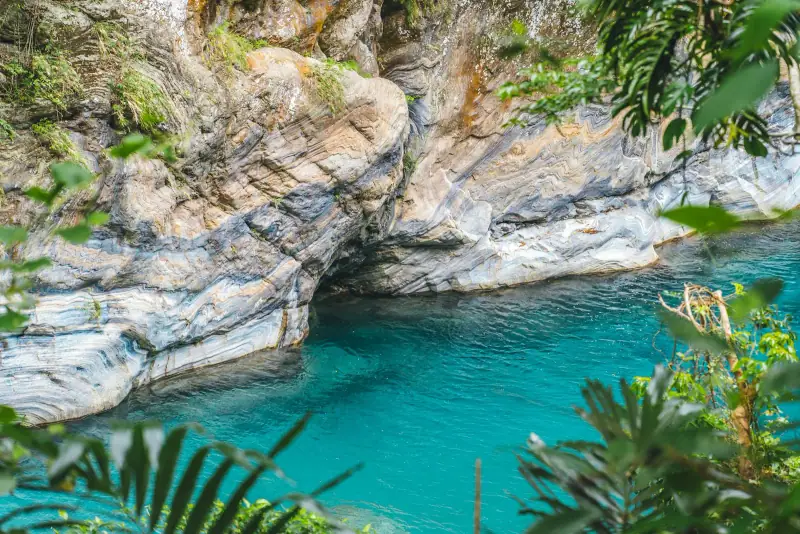
5 days
Eastern Taiwan road trip: the Pacific coast and Taroko Gorge
A complete guide to a road trip in eastern Taiwan: Taroko Gorge, Hualien, the Rift Valley, Highway 11 and Taitung in 5 to 7 days.

7 days
Taiwan in 7 days: the perfect itinerary for a first trip
TaipeiHualienSun Moon LakeTainan