Things to do
Safari in Sri Lanka: elephants, leopards and birds
We may earn a commission when you book through links on this page, at no extra cost to you. We don't visit or try the places we cover: we summarize published sources. How we work
In short
- Yala has the highest leopard density in Asia; Udawalawe is best for wild elephants; Minneriya's "Gathering" runs July to October; Willpattu is the wildest and least visited.
- At Yala, allow 65-85 USD per person for a half day: 15 USD entry, 8 USD service fee and 40-60 USD for a jeep with driver-guide (6 people maximum).
- Yala blocks 1 and 2 close each year from about September to mid-October (in 2026: September 14 to October 15); check dates with the Department of Wildlife Conservation.
- Book 1 to 2 weeks ahead in high season (December-March) and for The Gathering; morning (6-10 am) and evening (3-6 pm) safaris are best.
Sri Lanka is one of the best destinations in Asia for watching wild animals in their natural habitat. At the crossroads of Indian Ocean migration routes, the island shelters an extraordinary density of wildlife for its size: elephants, leopards, sloth bears, water buffalo, crocodiles, and some of the richest birdlife in Asia. A safari in Sri Lanka will give you unforgettable encounters.
The national parks in detail
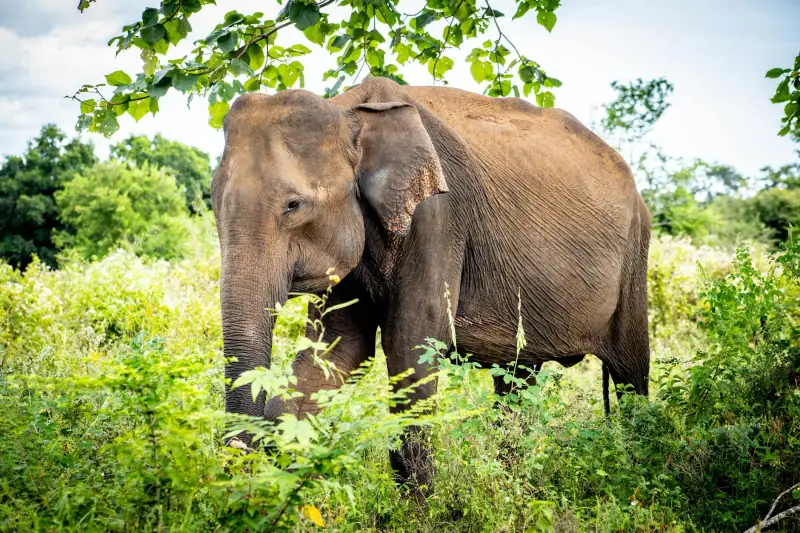
Yala National Park: the leopards of the south
Yala is Sri Lanka’s most famous and most visited park, in the southeast of the island, 4-5 hours from Colombo. Its section 1 (open to tourists) is world-renowned for its exceptional density of leopards.
Animals to see:
- Sri Lankan leopard: an endemic subspecies, the island’s largest cat. It is Yala’s main attraction.
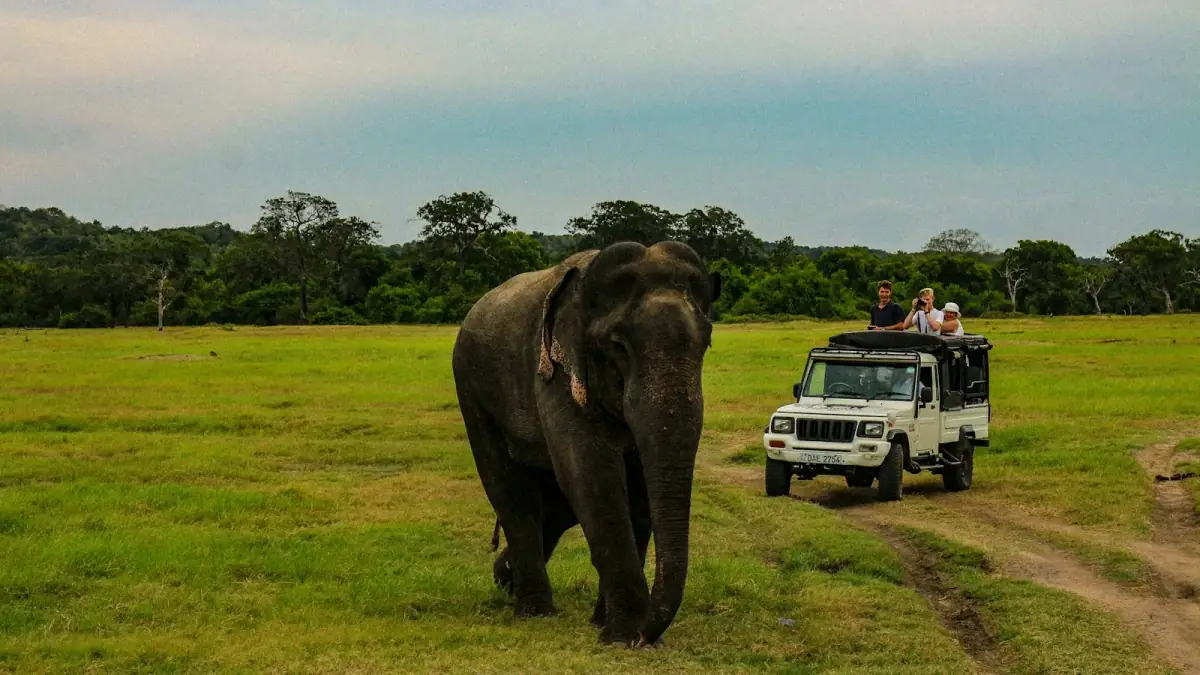
- Asian elephant: small groups of 5-20 individuals
- Sloth bear: the hardest mammal to spot, but present
- Wild water buffalo: in herds in the wetlands
- Mugger crocodile: common around lakes and ponds
- Sambar (large deer)
- Golden jackal and striped mongoose
- Birdlife: peacocks, painted storks, pelicans, fish eagle, Ceylon hawk-eagle
Best period: February to July is the dry season, when animals gather around water points and are easier to spot. July to September: the heat is intense but leopard sightings are at their peak.
Important: Yala’s blocks 1 and 2 close every year from about September to mid-October to let nature regenerate (in 2026: September 14 to October 15). Check the dates with the Department of Wildlife Conservation.
Price: 15 USD (entry) + 8 USD (service fee) + 40-60 USD (jeep with driver-guide). Allow 65-85 USD per person for a half day (6 people maximum per jeep: divide the cost).
Minneriya National Park: The Gathering
Minneriya is the stage of a unique natural spectacle: “The Gathering”. Every year from July to October, hundreds of wild elephants converge around Minneriya’s artificial lake during the dry season, when the exposed grasslands offer abundant grazing. You can see up to 300-400 elephants at the same time.
It is one of the largest gatherings of elephants in Asia.
Best period: July to October (The Gathering). The park operates all year.
Other animals: Toque macaques (endemic), crocodiles, storks, egrets, and many water birds.
Price: 15 USD (entry) + jeep 40-50 USD. Cheaper than Yala because it is less visited.
Neighboring park: Kaudulla is adjacent to Minneriya and also hosts elephant gatherings at slightly different seasons. Both parks can be visited on the same day.
Udawalawe National Park: elephant paradise
If watching elephants is your absolute priority, Udawalawe is your destination. The park holds one of the largest populations of wild elephants in Asia (more than 500 individuals in the park). Sightings are nearly guaranteed all year.
Unlike Minneriya: Elephants at Udawalawe do not gather in mega-herds but are visible in small family groups all year.
Other assets: Udawalawe’s herds often include young elephants, even babies, which makes sightings especially moving.
Rehabilitation center: Near the park, the Transit Home for baby elephants (Uda Walawe Elephant Transit Home) takes in orphaned baby elephants. Free to watch from the stands (9:30-10 am and 3-3:30 pm for feeding).
Price: 15 USD (entry) + jeep.
Willpattu National Park: the wild park of the north
Willpattu, in the northwest, is Sri Lanka’s largest national park. It reopened to tourism after the civil war (closed from 1985 to 2010) and is still very little visited. It is the park for travelers seeking authentic adventure far from the crowds.
What you see there: Leopards (less accessible than at Yala but present), sloth bears, elephants, crocodiles, marsh deer, and exceptional birdlife.
Best period: November to May.
Lodges and accommodation near Yala
Sleep at the park gate for dawn outings.
Spotting leopards: practical tips
The Sri Lankan leopard is one of the most photographed species in Yala. To maximize your chances of seeing one:
- Take a morning + evening outing: two 3-4 hour sessions on the same day considerably increase the odds
- Choose an experienced driver-guide: the best guides know the territories and habits of each identified leopard
- Be patient and quiet: leopards approach still, silent jeeps
- Avoid the high tourist season (July-August) if you want fewer jeeps around sightings
- 6 am morning outing: leopards are still active after a night of hunting
Birdwatching
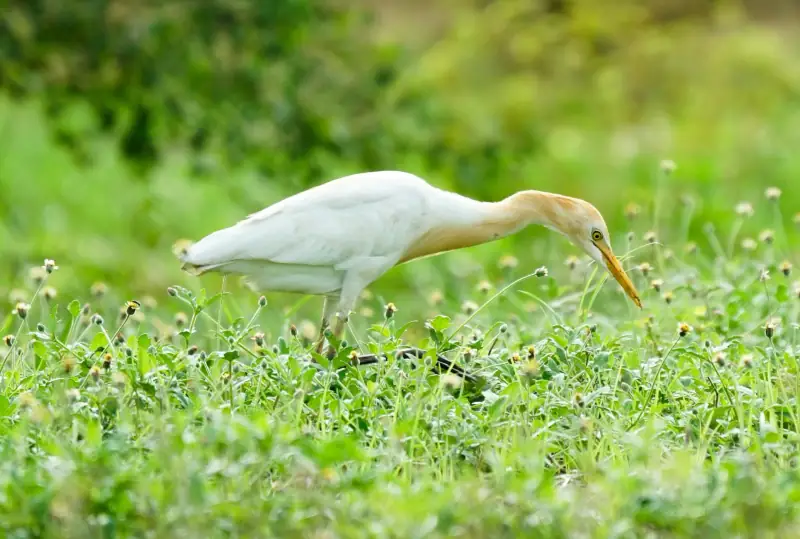
Sri Lanka is a paradise for birdwatchers. The island has more than 400 bird species, 26 of them endemic. The national parks, notably Bundala (southeast coast) and the wetlands of Colombo, are excellent spots.
Endemic species to look for:
- Layard’s parakeet (endemic)
- Sri Lanka coot (endemic)
- Ceylon roller (endemic)
- Ceylon kingfisher (endemic)
- Ceylon bulbul
Best seasons: December to March for migratory birds that add to the residents.
Tips for a successful safari
Booking:
- In high season (December-March) and during The Gathering (Minneriya, July-October), book your safari 1-2 weeks ahead
- Your hotel can often arrange the safari, but compare prices with local agencies
Recommended clothing:
- Neutral-colored clothes (khaki, olive); avoid white and bright colors that can scare the animals
- Wide-brimmed hat (intense sun in the jeep)
- Sun protection and sunglasses
- Insect repellent
Photography gear:
- Telephoto lens of at least 300 mm for leopards
- Burst mode for action scenes
- Empty memory card and charged batteries
A safari in Sri Lanka is an experience that changes the way you see nature. Meeting a Sri Lankan leopard in its native forest or watching hundreds of elephants bathe in a lake at sunset are moments you will never forget. Sri Lanka’s network of national parks is one of the most precious natural heritages in Asia; protect it by choosing responsible operators.
Frequently asked questions
What is the best national park for a safari in Sri Lanka?
Yala is the most famous for leopards (the highest density in Asia). Udawalawe is the best for wild elephants. Minneriya is a highlight for "The Gathering" (July-October). Willpattu is the wildest and least touristy.
Can you see leopards in Yala?
Yes, Yala has the highest leopard density in Asia. A 3-4 hour outing has a sighting rate of about 50-70% depending on the season. Chances are best in the dry season (February-June), when leopards approach water points.
How much does a safari in Sri Lanka cost?
At Yala, allow 15 USD (entry fee) + 8 USD (service fee) + 40-60 USD (jeep rental with driver-guide). Total: 65-85 USD per person for a half day. Costs are shared within the jeep (6 people maximum).
What is the best time of day for a safari?
Morning (6-10 am) and evening (3-6 pm) safaris are the best. Animals are active in the cool hours. The evening outing often has more encounters because leopards are nocturnal and start becoming active.
Are there elephants in all of Sri Lanka's parks?
Elephants are present in Yala, Udawalawe, Minneriya, Kaudulla, Willpattu and the Knuckles. To see them in a large herd, Minneriya during "The Gathering" (July-October) is the most impressive show.
More Sri Lanka guides
Keep reading
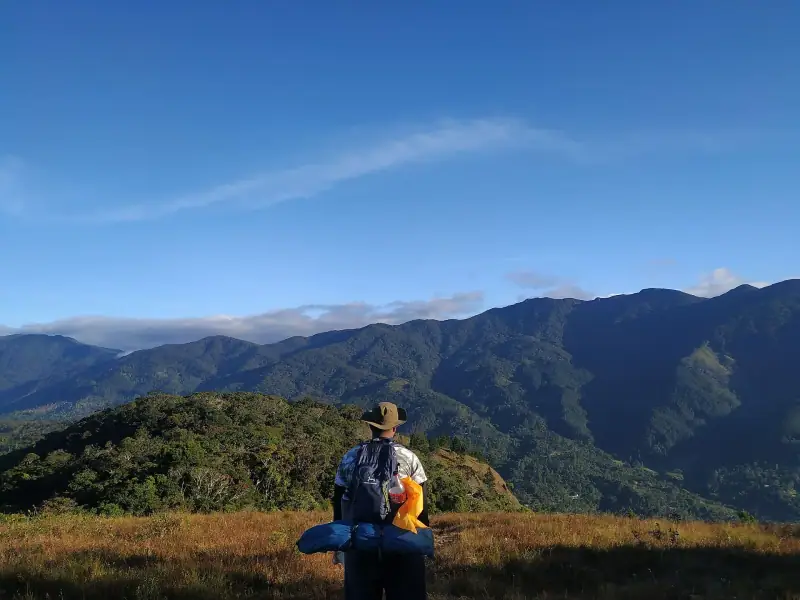
Hiking in Sri Lanka: the most beautiful trails
The best hikes in Sri Lanka: Adam's Peak, Ella Rock, Horton Plains, the Knuckles. Practical guides, difficulty levels and tips for each trek.
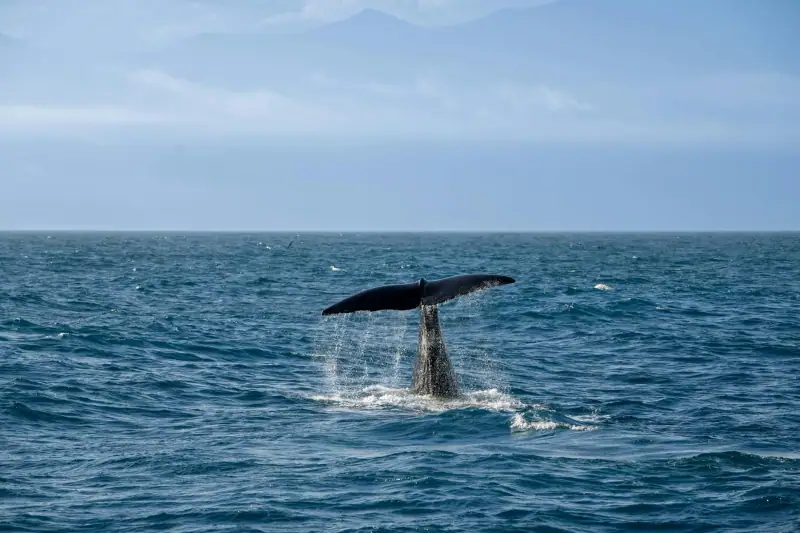
Diving and snorkeling in Sri Lanka: the best spots
The best diving and snorkeling spots in Sri Lanka: Pigeon Island, Hikkaduwa, Trincomalee, the Great Basses. Complete guide for divers and beginners.
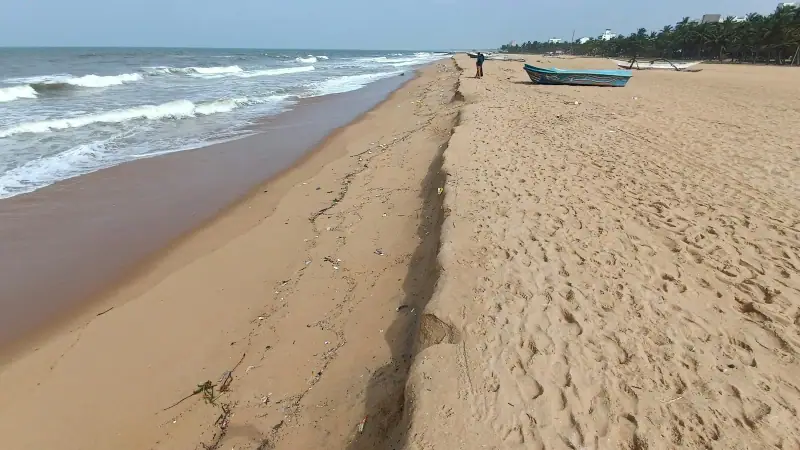
Negombo or Colombo: where to sleep near the airport in Sri Lanka?
Early or late flight in Colombo? Negombo vs downtown compared: distances, travel times, hotel prices and tips to choose well.
Ready-made
Sri Lanka itineraries
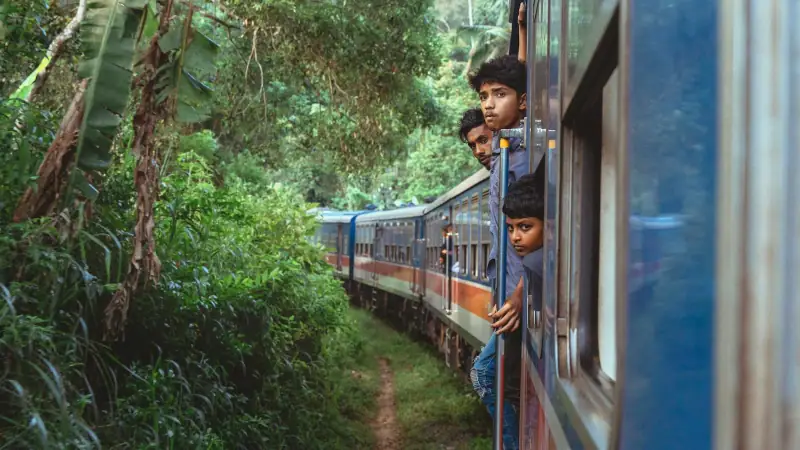
10 days
Sri Lanka in 10 days with kids: stops and pace
NegomboSigiriyaKandyHikkaduwa
Can be adapted in the planner
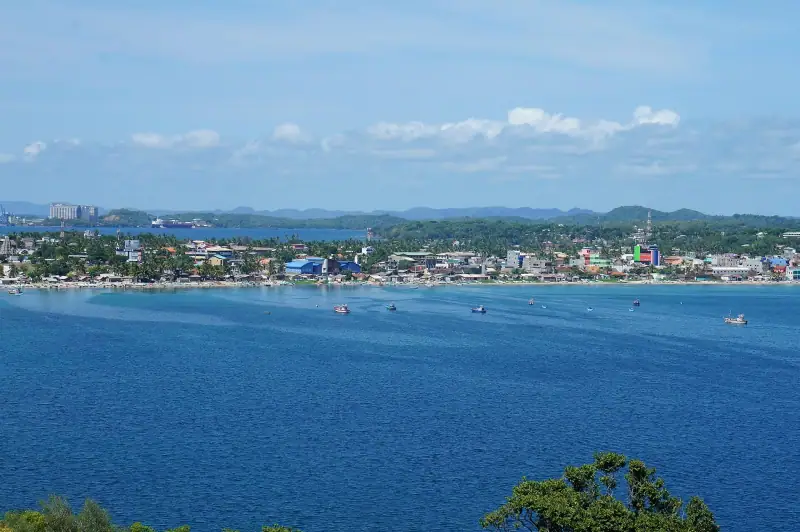
10 days
Sri Lanka east coast road trip: from Trincomalee to Arugam Bay
Sri Lanka east coast road trip itinerary: Trincomalee, Batticaloa, Arugam Bay in 7 to 10 days. Wild beaches, surf, nature and Tamil culture.
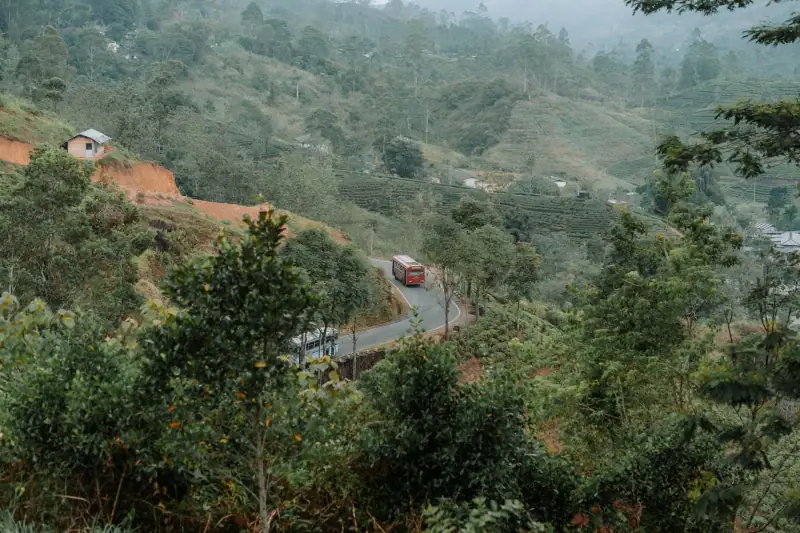
14 days
Sri Lanka road trip: a 2-week itinerary by car
14-day Sri Lanka road trip: complete itinerary with the Cultural Triangle, Hill Country and south coast. By car, with or without a driver.