Things to do
Diving and snorkeling in Sri Lanka: the best spots
We may earn a commission when you book through links on this page, at no extra cost to you. We don't visit or try the places we cover: we summarize published sources. How we work
In short
- Pigeon Island (Trincomalee) is the best spot, April to September; Hikkaduwa on the south coast is the easiest for beginners, November to April.
- Certified diving needs a PADI Open Water card or equivalent; introductory dives (supervised, no card needed) are offered at all centers, and snorkeling needs no card.
- Mirissa whale-watching trips cost about 10,000 to 16,000 LKR per person (3-4 h at sea, to be confirmed with the operator); the season is December to April.
- Mask and snorkel rental is 500-700 LKR a day; use mineral sunscreen, as chemical ones are banned in some marine reserves.
Surrounded by the Indian Ocean, Sri Lanka has considerable underwater potential. Colonial wrecks lying in the depths, brightly colored coral reefs, sea turtles, reef sharks and, offshore, blue whales diving into the abyss: Sri Lanka’s marine life is as rich as its land biodiversity.
The best diving spots
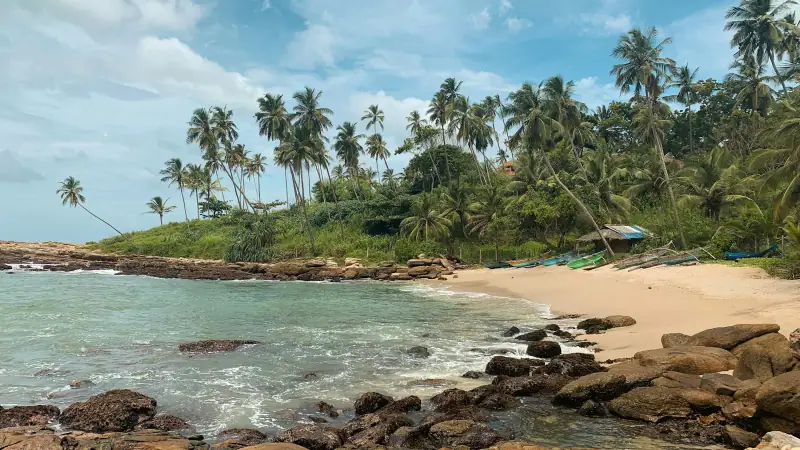
1. Pigeon Island (Trincomalee): the pearl of the east
Pigeon Island is the best diving and snorkeling spot in Sri Lanka. This marine reserve 1 km (0.6 mi) offshore from Nilaveli benefits from strict protection that has let the reef regenerate. Visibility can reach 15-20 m (49-66 ft) in season.
What you see: Giant parrotfish, barracudas, groupers, stingrays, blacktip reef sharks, green turtles, and a staghorn coral of rare beauty.
Best period: April to September. Level: All levels (2-15 m / 7-49 ft deep depending on the area). Entry fee: Pigeon Island National Park (national park rate for foreigners, several thousand rupees depending on the source: check at the Nilaveli ticket office), added to the price of the dive or snorkeling.
2. Hikkaduwa: the south coast classic
Hikkaduwa is the most accessible dive site from Colombo (2 h 30) and the most developed for tourism. Hikkaduwa National Marine Park protects a shallow coral reef (2-15 m / 7-49 ft) where marine life is abundant.
What you see: Green turtles (almost guaranteed), clownfish, schools of colorful tropical fish, moray eels, scorpionfish. On outings further offshore: wrecks of 17th-century Portuguese and Dutch ships.
Best period: November to April. Level: Beginners and intermediate. Highlights: Many dive centers, PADI courses available, snorkeling possible from the shore.
Diving courses and trips in Sri Lanka
Introductory dives, PADI training, guided trips.
3. Trincomalee (Uppuveli and Nilaveli): the unspoiled east coast
Trincomalee bay, with its clear, deep waters, offers some of the richest diving in the country. Two sites stand out.
Uppuveli: World War II wrecks lie at 15-20 m (49-66 ft) depth. Further south, off Batticaloa, HMS Hermes (a British aircraft carrier sunk in 1942) lies much deeper and is for technical divers only. More accessible wrecks (10-15 m / 33-49 ft) suit intermediate divers.
Nilaveli: The reefs near the shore and Pigeon Island are accessible by snorkeling. Boat trips to the outer reefs let you explore pristine areas.
Best period: April to September. Level: All levels (wrecks for advanced divers).
4. Great Basses and Little Basses (far south coast): for advanced divers
These exposed reefs, located off the far south coast, are renowned for exceptional dives but are reserved for experienced divers because of strong currents. The wrecks of the area and the seasonal whale shark sightings make them dream sites for thrill-seekers.
Best period: January to April (calm sea). Level: Advanced (minimum 50 dives). Access: By boat from Kirinda (2-3 h of sailing).
5. Unawatuna: the family spot
Unawatuna bay, 5 km (3 mi) from Galle, is popular for family snorkeling. The shallow bottom (2-5 m / 7-16 ft) shelters turtles, tropical fish and a few corals. It is more “accessible” than spectacular, but perfect for children and beginners.
Whale and dolphin watching
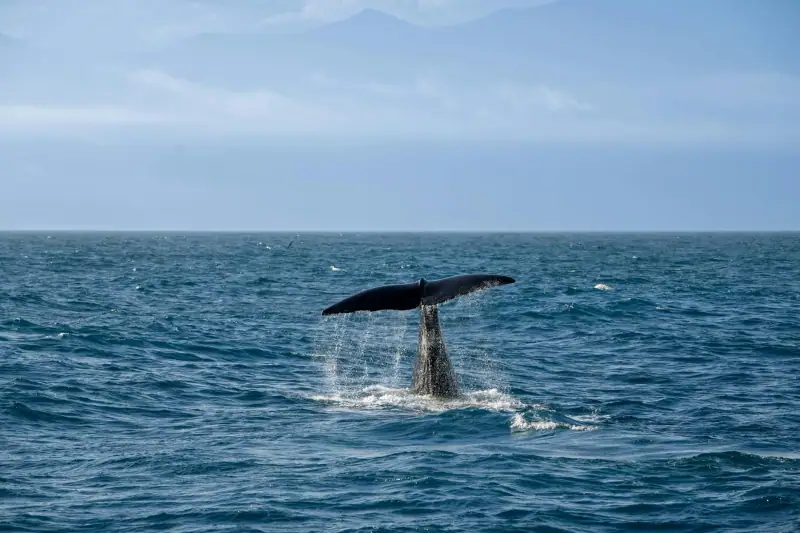
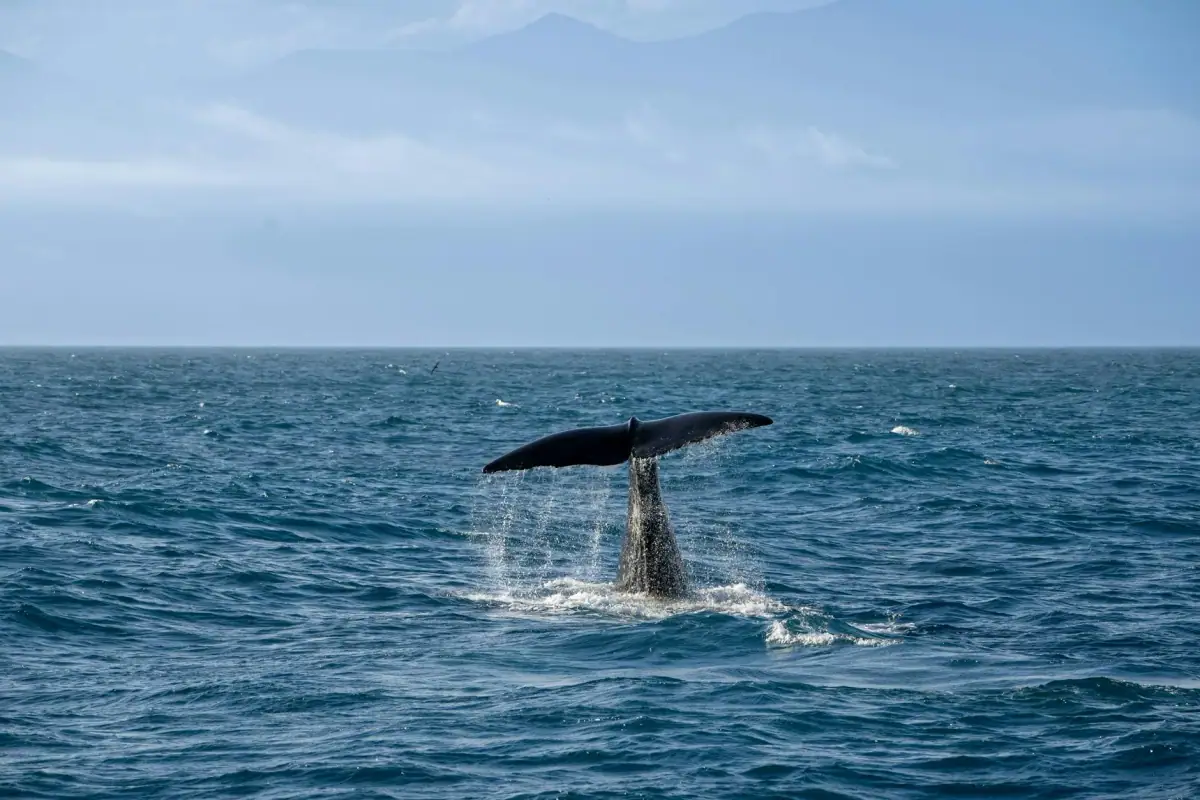
Sri Lanka is one of the best places in the world to watch blue whales (the largest animal on the planet) in the wild. The waters off Mirissa are a passage zone for these giants of the sea.
Season and spots:
- Mirissa: December to April (peak in February-March)
- Trincomalee: May to August (blue whales, spinner dolphins)
- Dondra Head: all around the island, the whales pass by
What you see:
- Blue whale (15-25 m / 49-82 ft, 120-150 tonnes / about 130-165 US tons): almost guaranteed at Mirissa in season
- Pygmy blue whale (Indian Ocean subspecies)
- Sperm whale
- Spinner dolphins in large pods (often hundreds of individuals)
- Bottlenose dolphin
Price: Whale-watching trip from Mirissa: about 10,000 to 16,000 LKR per person (3-4 h at sea, rate to be confirmed with the operator). Book the day before for a departure at 6 am the next day.
Places to stay in Mirissa and Hikkaduwa
Ideal base for your water activities on the south coast.
Snorkeling without diving: the best spots
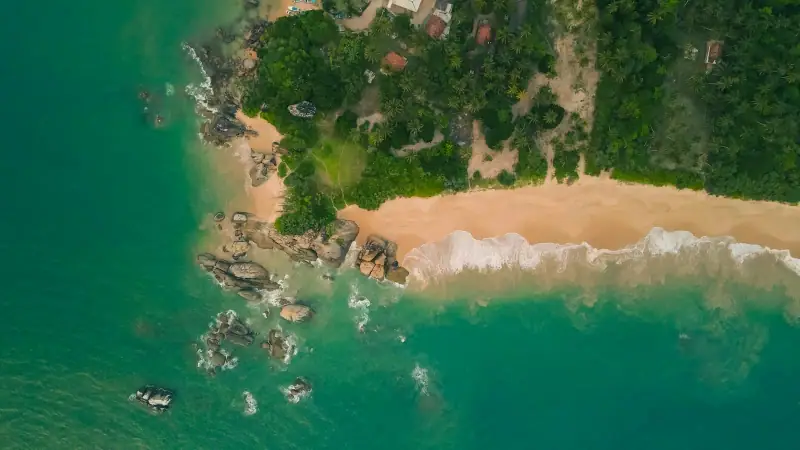
For those who do not dive but want to enjoy marine life, snorkeling in Sri Lanka is an activity accessible on many beaches.
The best spots:
- Pigeon Island: the best snorkeling in the country, in the marine reserve (paid entry, check at the Nilaveli ticket office)
- Hikkaduwa Beach: from the shore, turtles and a shallow reef
- Uppuveli / Nilaveli: clear water, shallow reefs
- Jungle Beach (Unawatuna): 15 min walk from Unawatuna, a hidden beach with a reef
Equipment: Mask and snorkel rental (500-700 LKR a day at beach centers). Having your own equipment is recommended for hygiene and comfort.
Sunscreen: Use a mineral sunscreen (zinc oxide) that does not damage corals. Chemical sunscreens (oxybenzone, octinoxate) are banned in some marine reserves.
Reliable dive centers
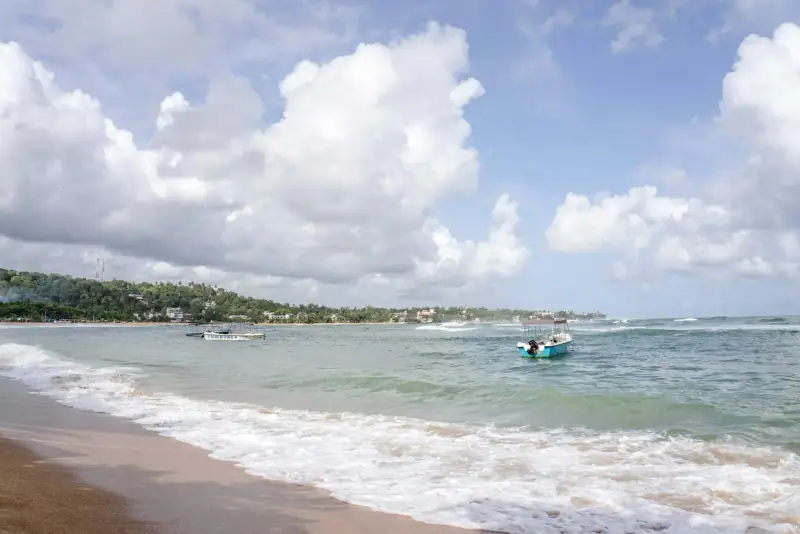
Before choosing a dive center, check:
- The PADI or equivalent certification of the instructors
- The condition of the equipment (tanks, regulators, wetsuits)
- The guide-to-diver ratio (maximum 4-6 divers per guide)
- Recent reviews on TripAdvisor or Google
Avoid operators that charge suspiciously low prices without explaining why: safety in diving is not negotiable.
Sri Lanka’s marine life is a treasure that deserves respect. By choosing responsible operators, using mineral sunscreens and touching neither corals nor turtles, you help preserve these fragile ecosystems for future generations. The sea of Sri Lanka will repay you a hundredfold.
Frequently asked questions
Where to dive in Sri Lanka for beginners?
Hikkaduwa on the south coast is ideal for beginners: shallow water, decent visibility, well-equipped dive centers. Uppuveli and Pigeon Island on the east coast are also excellent for discovery.
What is the best time to dive in Sri Lanka?
The south coast (Hikkaduwa) is better from November to April. The east coast (Trincomalee, Pigeon Island) is best from April to September. Visibility is at its maximum in March-April on the south coast.
Are there sharks in Sri Lanka?
Yes, mainly whale sharks offshore (seasonal sightings) and reef sharks (harmless). Attacks are extremely rare.
Can you see sea turtles while snorkeling in Sri Lanka?
Yes, green turtles and olive ridley turtles are common in shallow reef areas. Hikkaduwa, Uppuveli and Nilaveli are good spots to see them snorkeling.
Do you need a diving certification to dive in Sri Lanka?
For certified diving, a PADI Open Water card or equivalent is required. Introductory dives (supervised, no card required) are offered at all centers. Snorkeling needs no certification.
More Sri Lanka guides
Keep reading
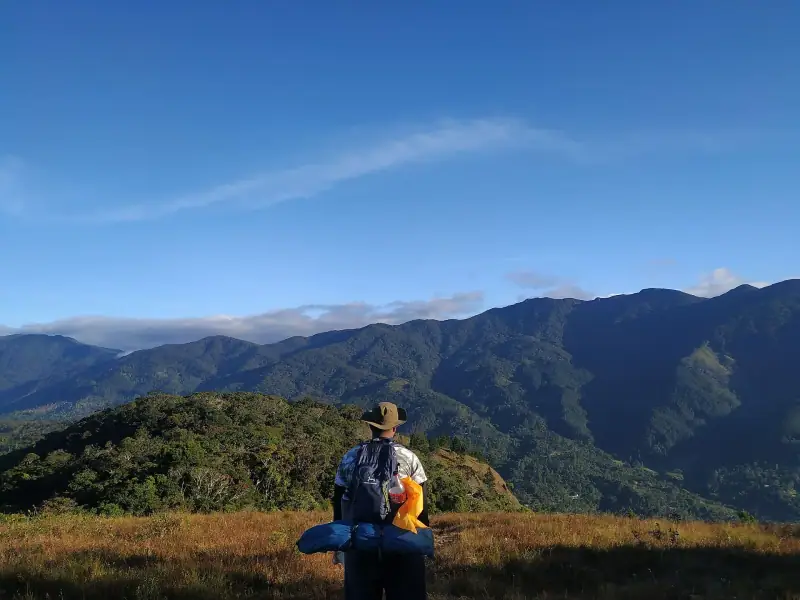
Hiking in Sri Lanka: the most beautiful trails
The best hikes in Sri Lanka: Adam's Peak, Ella Rock, Horton Plains, the Knuckles. Practical guides, difficulty levels and tips for each trek.
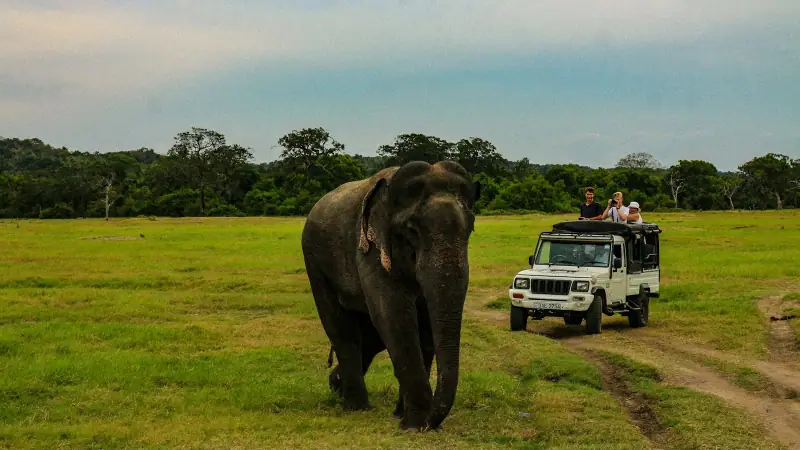
Safari in Sri Lanka: elephants, leopards and birds
Going on safari in Sri Lanka: Yala, Minneriya and Udawalawe parks. When to go, how to book, which animals to see. Complete safari guide.
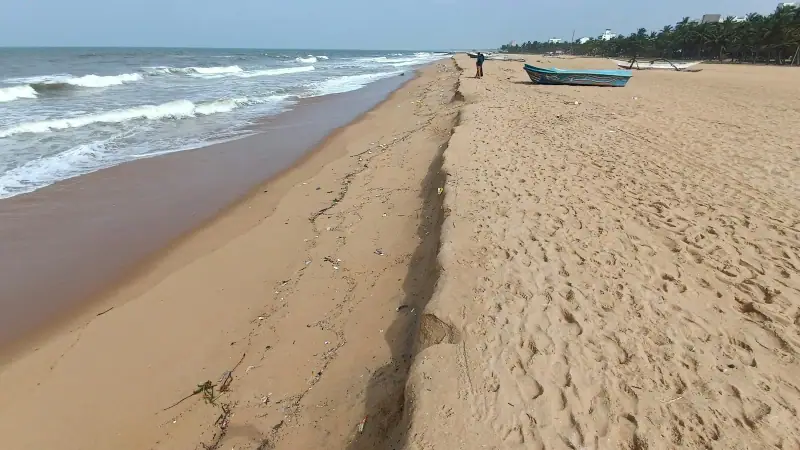
Negombo or Colombo: where to sleep near the airport in Sri Lanka?
Early or late flight in Colombo? Negombo vs downtown compared: distances, travel times, hotel prices and tips to choose well.
Ready-made
Sri Lanka itineraries

10 days
Sri Lanka in 10 days with kids: stops and pace
NegomboSigiriyaKandyHikkaduwa
Can be adapted in the planner
10 days
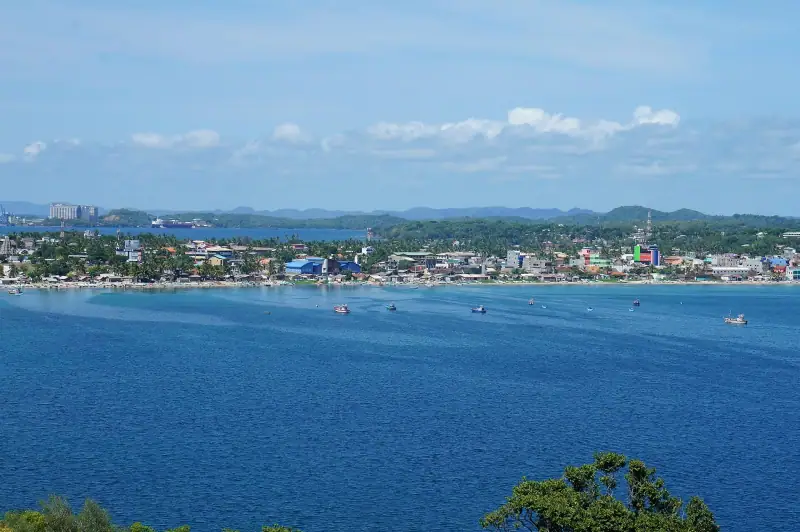
Sri Lanka east coast road trip: from Trincomalee to Arugam Bay
Sri Lanka east coast road trip itinerary: Trincomalee, Batticaloa, Arugam Bay in 7 to 10 days. Wild beaches, surf, nature and Tamil culture.
14 days
Sri Lanka road trip: a 2-week itinerary by car
14-day Sri Lanka road trip: complete itinerary with the Cultural Triangle, Hill Country and south coast. By car, with or without a driver.