Things to do
Rock Climbing in Sardinia: The Best Spots and Routes
We may earn a commission when you book through links on this page, at no extra cost to you. We don't visit or try the places we cover: we summarize published sources. How we work
In short
- Cala Gonone is the capital of Sardinian climbing, with cliffs of 100 to 400 m (330 to 1,300 ft) and routes from beginner to extreme; grades in this article are French sport grades.
- Autumn (September-November) and spring (March-May) are the best seasons; summer is too hot on the rock.
- Reference guidebooks: "Sardinia Rock" (Rockfax), "Arrampicate in Sardegna" (Versante Sud) and the 27crags.com app.
- Rental gear is limited in Cagliari and Cala Gonone: bring your own shoes, harness and quickdraws.
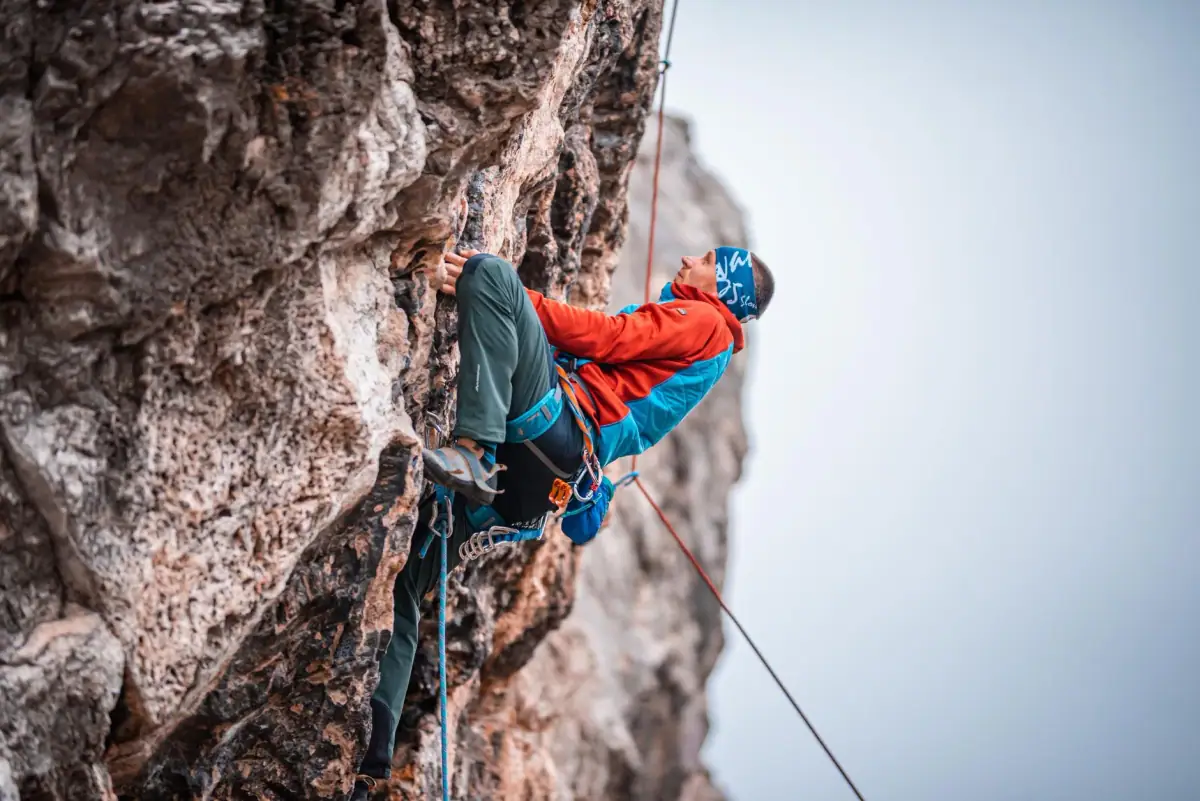
Sardinia is a secret destination for European climbers. Its limestone cliffs of the Ogliastra, sometimes dropping straight into the sea, hold routes of every level in exceptional natural settings. Here is a complete guide for climbers who want to discover the island another way, with both hands on the rock. Grades in this article are French sport grades.
Why climb in Sardinia?
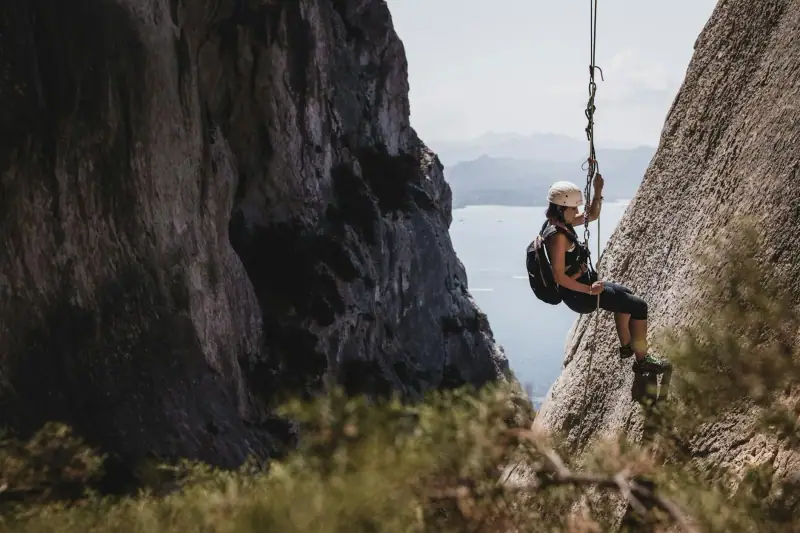
The limestone of the Ogliastra and the Supramonte is especially appreciated by climbers for several reasons:
Rock quality: The gray-white limestone is compact and grippy. Holds are varied (pockets, slabs, overhangs, cracks) and the rock sheds little compared with other Mediterranean destinations.
Exceptional setting: Many cliffs sit right above the sea. Climbing while looking at the turquoise Mediterranean below is a unique experience. Some routes end on small beaches reachable only on foot from the cliff.
Variety of routes: More than 1,500 equipped routes in the Cala Gonone and Ogliastra region alone, from grade 4a to 9a. From short routes (10-15 m / 33-50 ft) to big routes (400 m+ / 1,300 ft+), there is something for every profile.
Few people: Compared with the overcrowded Calanques or Spain’s Costa Daurada, Sardinia remains a little-visited climbing paradise, even in season.
The main climbing sectors
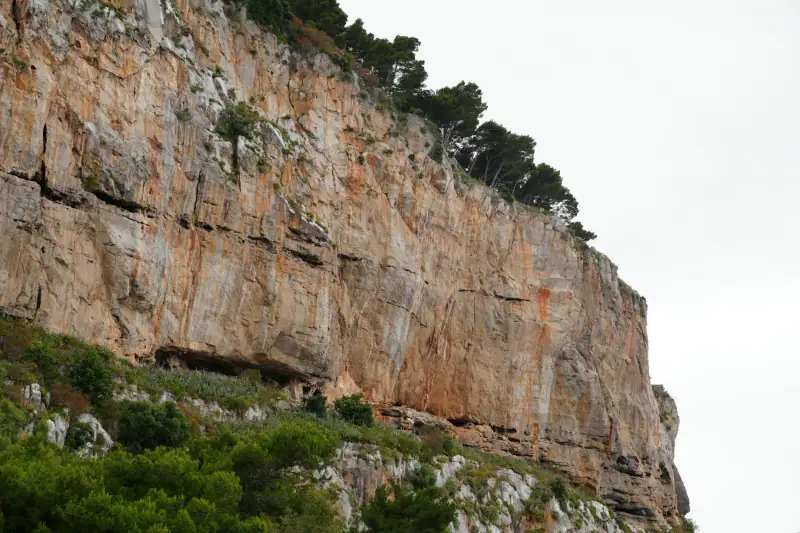
Cala Gonone and the Ogliastra cliffs
Cala Gonone is the undisputed capital of Sardinian climbing. The small Ogliastra port is surrounded by limestone cliffs 100 to 400 m (330 to 1,300 ft) high, with an exceptional concentration of routes of all levels.
Cala Luna sector: The most accessible sector from Cala Gonone. Routes of 15 to 50 m (50 to 165 ft), grades 5a to 7c. Facing due east, often in shade in the morning (ideal in summer). Seabed with pine groves, quiet atmosphere.
Oddoene cliffs: Impressive cliffs of 200-400 m (660-1,300 ft) above the sea, with some of the finest big routes in Sardinia. Access in 1 h 30 of walking from Cala Gonone. Grades 6a to 8b. Reserved for experienced climbers.
Cala Fuili: A family sector with short, easy routes (4b-5c) in a cove with a beach. Ideal for introducing children or building up at the start of the season. Reachable in 20 minutes from Cala Gonone.
Baunei: “Su Palu” and “Pedra Longa”
The Baunei plateau, 800 m (2,625 ft) above the Ogliastra, is surrounded by spectacular cliffs. The Pedra Longa sector (“the Long Stone”) is a limestone pillar 128 m (420 ft) high rising from the sea, with high-level sport climbing routes (7a-8b).
The Su Palu sector, on the Golgo plateau near Baunei, concentrates many intermediate to difficult routes (6a-7c) with unbeatable views of the coast and the entrance to Gorropu gorge.
Cagliari: climbing in an urban setting
The Sardinian capital has several climbing sites accessible from the city center.
Monte dei Sette Fratelli: A granite massif 30 km (19 mi) northeast of Cagliari. Bouldering and sport routes on granite rocks, grades 4b to 7b. Oak and cistus forest setting. Accessible by car.
Climbing at Castello: A few historic routes on the rocks of Cagliari’s Castello quarter. Mainly of historic value but useful for warming up.
Alghero and the northwest coast
The cliffs of Capo Caccia (300 m / 985 ft of white limestone dropping into the sea) hold some legendary big routes of Sardinian climbing (5c to 7b), notably the “Stella Cadente” route that crosses the cliffs above Neptune’s Grotto.
Topos and practical information
Recommended climbing guidebooks
- “Sardinia Rock” (Rockfax): the reference in English, covers all the main sectors
- “Arrampicate in Sardegna” (Versante Sud): a complete Italian guide with lesser-known sectors
- 27crags.com app: many Sardinian routes listed with descriptions, photos and climbers’ comments
Lodging for climbers
Cala Gonone: Several hotels and campsites regularly host climbers. Camping dei 3 Mari has a storage room for gear. Innkeepers know the sectors and can give advice.
Baunei: A few guesthouses and agriturismi in the village. Rural, authentic atmosphere.
Lodging in Cala Gonone
The ideal base for climbing in the Ogliastra.
Season and weather conditions
Autumn (September-November): The best period. Mild temperatures, dry rock, few people. Night frosts in October-November improve grip even more.
Spring (March-May): Excellent conditions, wild flowers, green vegetation. March can be windy.
Summer (June-August): Too hot during the day (35-40 °C / 95-104 °F on the rock). Possible only very early in the morning (start 6-7 am) on shaded or high-altitude sectors.
Winter (December-February): Some sunny sectors (southeast exposure) can be climbed in good weather. Temperature of 12-15 °C (54-59 °F). Big routes can be damp.
Practical tips
Water: Always carry more water than planned. In summer, allow 2 liters per person (about 2 quarts) for a half day of climbing.
Shoes: Sardinian limestone is dry and grippy: climbing shoes slightly less tight than your usual size work well. A Vibram or Stealth sole is recommended.
Snakes: Watch where you put your hands on the rock in areas of dense scrub.
Gear weight: For big routes with rappels in the Ogliastra, bring 2 x 60 m ropes, 15-18 quickdraws and a complete rappel kit.
To combine climbing with hiking or a day of diving in the coves of the Ogliastra, eastern Sardinia offers every outdoor activity in one place.
Frequently asked questions
Is Sardinia a good climbing destination?
Yes, Sardinia is a top climbing destination in Europe. The compact limestone of the Ogliastra and the Supramonte offers international-quality routes, notably at Cala Gonone and Baunei.
What level do you need to climb in Sardinia?
Sardinian cliffs cover all levels, from 4b to very hard routes (8b and beyond). The Cala Gonone sectors offer routes accessible to beginners (5a-5c) up to the extreme routes of the Ogliastra. Grades are French sport grades.
Which season for climbing in Sardinia?
Autumn (September-November) and spring (March-May) are the best seasons. Summer is too hot (intense heat on the rock). Some sheltered sectors can be climbed in winter.
Can you rent climbing gear in Sardinia?
Gear is available for rent in a few sports shops in Cagliari and Cala Gonone (check availability and sizes ahead). It is better to bring your own equipment (shoes, harness, quickdraws).
Are there climbing courses in Sardinia?
Yes, several schools and certified guides offer courses and introductions around Cala Gonone and in the Ogliastra. Agencies such as Barbagiaspirita or Nuova Escursionismo offer guiding (check their offer and dates before booking).
More Sardinia guides
Keep reading
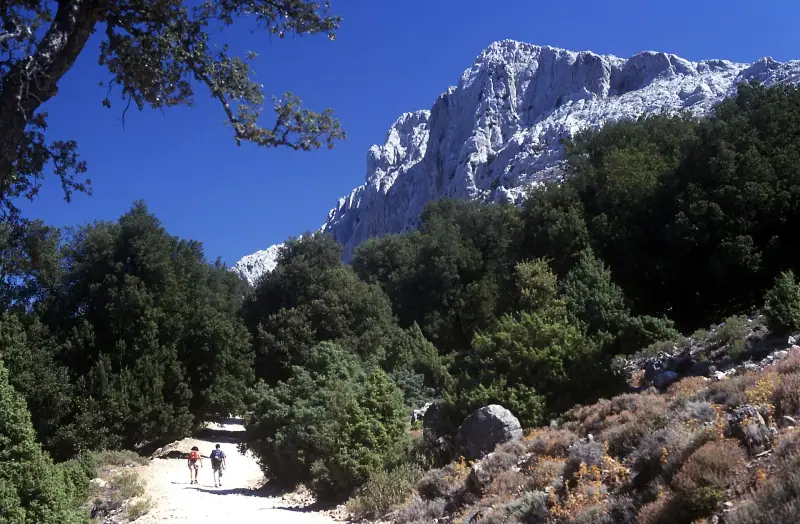
Hiking in Sardinia: The Best Trails and Treks on the Island
The best hikes in Sardinia: Gorropu gorge, Cala Goloritzè, Supramonte, the Ogliastra coast. Levels, durations and practical tips.
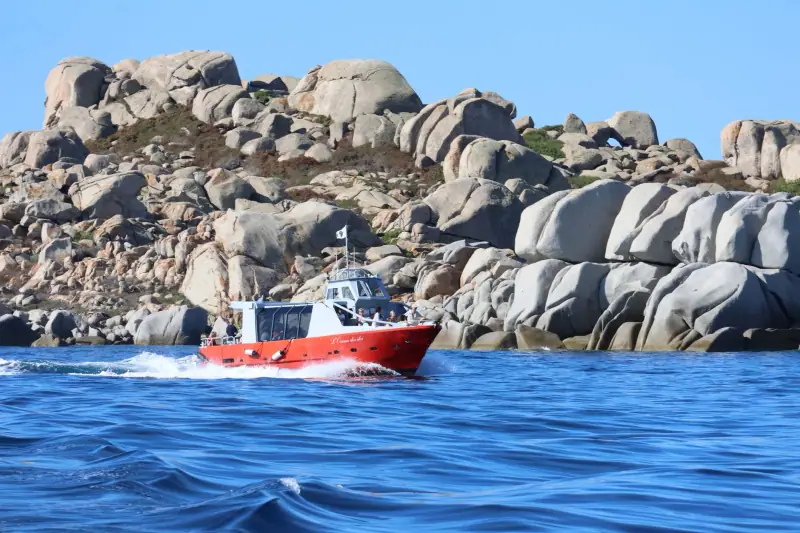
La Maddalena Archipelago Boat Trip: Book Ahead or on the Spot?
La Maddalena boat trip from Palau: prices, duration, booking ahead or on the spot, season, Budelli and tips to avoid unpleasant surprises.
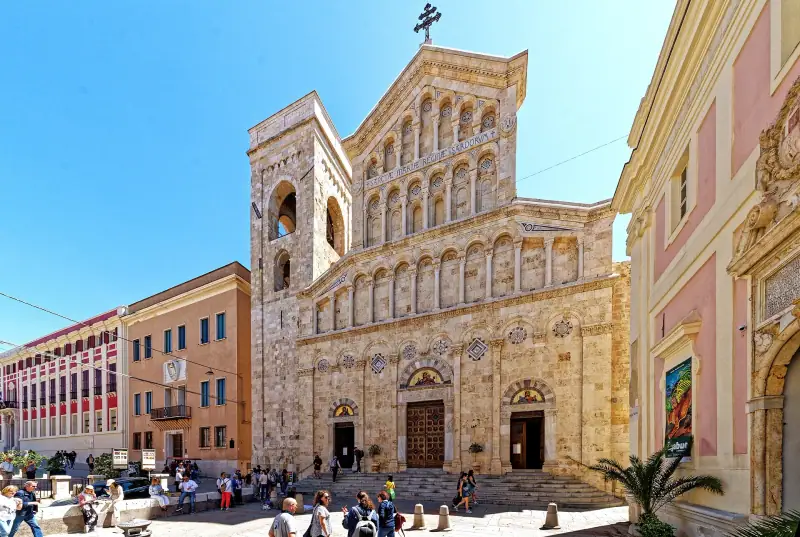
Cagliari Highlights: What to See and Do in Sardinia's Capital
The highlights of Cagliari: Castello, Poetto, museums, markets, food. A complete guide to visiting the capital of Sardinia in 2 days.
Ready-made
Sardinia itineraries
14 days
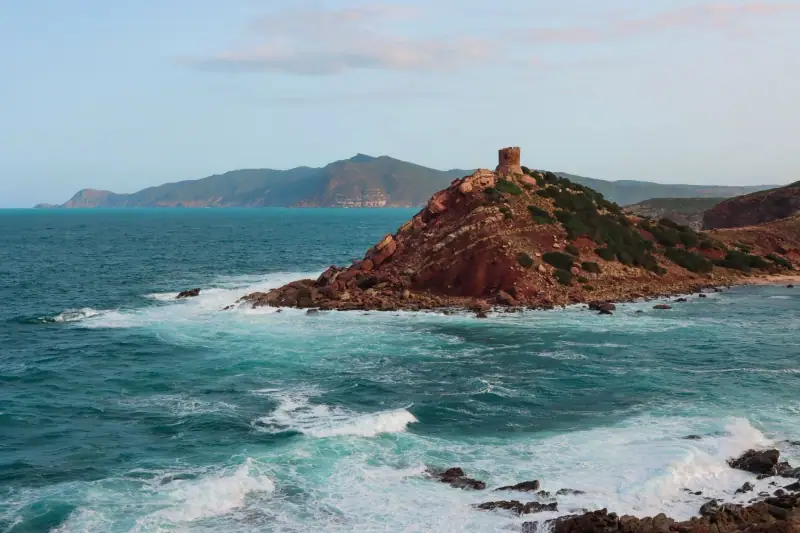
Sardinia Road Trip: The Complete Island Loop in 10-14 Days
Plan your Sardinia road trip: a complete 10 to 14 day itinerary, scenic roads, essential stops and driving tips.
7 days
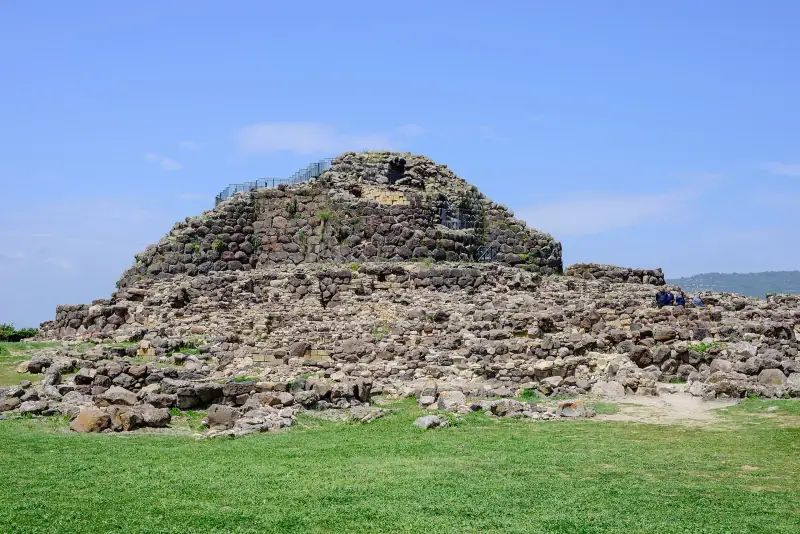
Sardinia in 7 Days: A Complete Itinerary for an Unforgettable Week
7-day Sardinia itinerary: Cagliari, Chia, Ogliastra, nuraghi and Costa Smeralda. A day-by-day plan with practical tips.
5 days
Sardinia in 5 Days by Car: A Realistic Itinerary (Distances and Drive Times)
PalauCastelsardoAlghero