Things to do
Diving in the Philippines: the best dive sites and wrecks
We may earn a commission when you book through links on this page, at no extra cost to you. We don't visit or try the places we cover: we summarize published sources. How we work
In short
- The Philippines sit in the Coral Triangle; the dry season (November to May) gives the calmest seas and 20-30 m (65-100 ft) visibility.
- Tubbataha Reef is reachable only by live-aboard, roughly March to mid-June, at €2,500-4,000 (~$2,900-4,650); book 6 to 12 months ahead.
- Coron has the best wreck diving, Moalboal suits beginners and runs year-round, and Donsol is the ethical choice for whale sharks.
- A PADI Open Water course (3 days) costs about €200-350 (~$230-405); a single guided dive is about €20-35 (~$23-41).
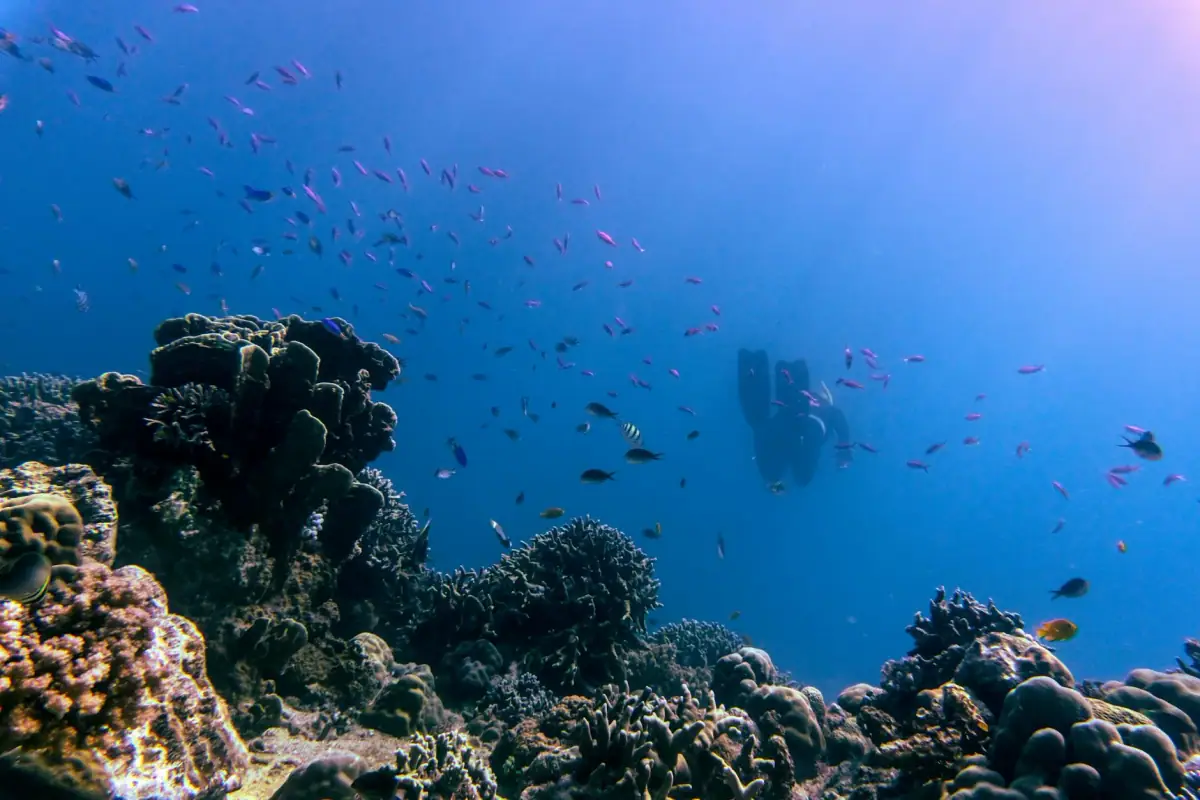
The Philippines is an exceptional diving destination. Located in the Coral Triangle, the most biodiverse marine region in the world, with more than 75% of known coral species and more than 2,000 fish species, it offers some of the richest and most varied underwater experiences on the planet. From the World War II wrecks of Coron to the manta rays of Tubbataha and the sardines of Moalboal, here is the complete guide to diving in the Philippines.
The Coral Triangle: why the Philippines?
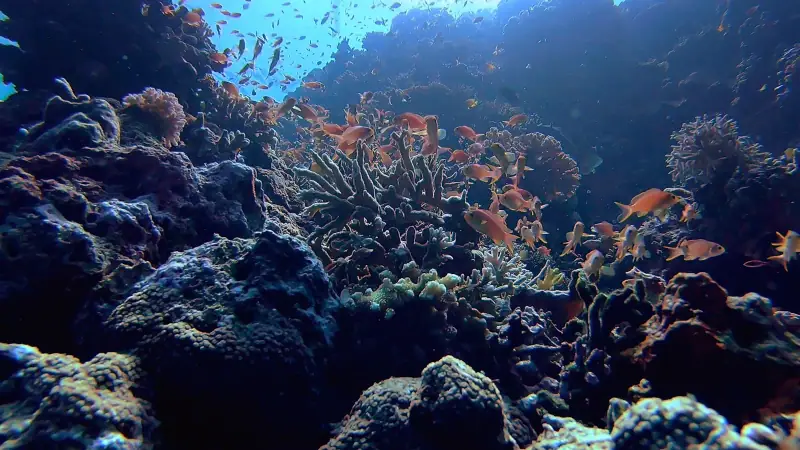
The Coral Triangle is a region bounded by the Philippines, Indonesia, Malaysia, Papua New Guinea, the Solomon Islands and East Timor. Philippine waters make up a large part of this area.
Key figures:
- More than 500 species of reef-building corals (75% of the world’s species)
- More than 2,000 species of reef fish
- More than 6 species of sea turtles
- Whale sharks, manta rays, dugongs, dolphins…
This biodiversity comes from the meeting of ocean currents from several seas (South China Sea, Sulu Sea, Celebes Sea, Philippine Sea) and from the variety of ecosystems (coral reefs, mangroves, seagrass beds, sandy bottoms).
The best dive sites
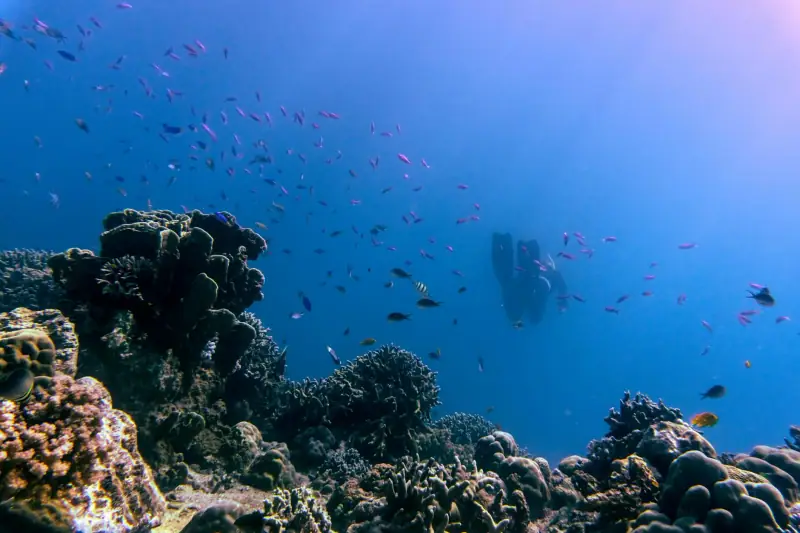
Tubbataha Reef (Sulu Sea): the holy grail
Level: Intermediate to advanced Depth: 5-40 m (16-130 ft) Season: March to mid-June only
Tubbataha Reef is the most famous dive site in the Philippines. This isolated reef in the middle of the Sulu Sea, 6 hours by boat from Puerto Princesa, has been a UNESCO World Heritage site since 1993. The protected atoll is home to remarkable concentrations of sharks (whitetip, blacktip, bull), manta rays, turtles and giant groupers.
Access is strictly regulated: live-aboard only, 10 to 15 days, from about March to mid-June (check dates with operators every year). Budget: €2,500-4,000 (~$2,900-4,650) for a dive cruise. Book 6 to 12 months ahead.
Coron (Palawan): a wreck diver’s paradise
Level: All levels (depending on the wreck) Depth: 10-40 m (33-130 ft) Season: November to May
The Coron wrecks are legendary. In September 1944, the American operation “King Two” sank 24 Japanese warships in a single day. Today these wrecks are covered in coral and thousands of fish, and they make up the best wreck diving in Asia.
The top wrecks:
- Okikawa Maru: a giant 160 m (525 ft) tanker, at 18-35 m (59-115 ft). Intact, spectacular, accessible to beginners
- Kogyo Maru: a cargo ship at 20-30 m (66-100 ft), interior accessible, superb corals
- Olympia Maru: the most colorful wreck, at 18-25 m (59-80 ft), excellent visibility
- East Tangat Gunboat: a gunboat at 20-25 m (66-80 ft), panoramic view from the deck
Dive centers in Coron: compare recent reviews before booking (Pirates Diving Center, based in Coron since 2019, is one of them).
Moalboal (Cebu): sardines and turtles
Level: All levels Depth: 5-30 m (16-100 ft) Season: year-round
Moalboal is famous for two unique phenomena. First, the Sardine Run: millions of sardines form dense, moving schools just below the surface, creating hypnotic ballets and extraordinary play of light. The Moalboal Sardine Run is visible year-round from Panagsama Beach, at only 10 meters (33 ft) deep.
Second, loggerhead turtles and green turtles swim calmly around the Moalboal reefs, used to divers and completely indifferent to human presence. To stay within walking distance of the sites, see where to stay in Moalboal.
The Pescador Island site, 15 minutes away by boat, offers some of the best reef diving in the Visayas, with vertical walls covered in coral and varied wildlife (reef sharks, barracudas, giant moray eels).
Donsol (Albay, Luzon): whale sharks by snorkeling
Level: snorkeling (no diving level required) Depth: 0-5 m (0-16 ft) Season: November to June (peak December to May)
Donsol is the best place in the world to swim with whale sharks (butanding in Tagalog) in an ethical way. These giants of 8 to 12 m (26 to 39 ft), the largest fish in the world, gather in the waters off Donsol to feed on plankton.
The experience is by snorkeling (no scuba) from licensed boats with guides. The rules are strict to protect the animals: minimum distance of 4 m (13 ft), no flash, no touching.
Important note: the Donsol experience is very different from Oslob (Cebu), where the whale sharks are fed artificially. Donsol is the recommended option for ethically minded travelers.
Anilao (Batangas, Luzon): underwater photography
Level: All levels Depth: 5-30 m (16-100 ft) Season: year-round (peak November to June)
Anilao is only 2 hours from Manila and is the favorite weekend dive destination of Manila residents. It is especially known for underwater photography: the richness and oddness of its marine life (nudibranchs, ghost pipefish, mimic octopuses, blue-ringed octopuses) make it an exceptional playground for macro photographers.
El Nido (Palawan): reef diving in a postcard setting
Level: Beginner to intermediate Depth: 5-25 m (16-80 ft) Season: November to May
El Nido is not the best technical dive spot in the Philippines, but diving in its lagoons ringed by limestone cliffs is a unique visual experience. The reefs of the Bacuit Bay marine park are well preserved, with good biodiversity.
The main sites: Dilumacad (Helicopter Island), South Miniloc, Matinloc, Tres Marias.
Diving prices in the Philippines
| Type | Average price |
|---|---|
| Discovery dive | €35-60 (~$41-70) |
| 1 guided dive | €20-35 (~$23-41) |
| 2 guided dives | €40-65 (~$46-75) |
| PADI Open Water course (3 days) | €200-350 (~$230-405) |
| Advanced Open Water course (2 days) | €150-250 (~$175-290) |
| Full equipment rental | €10-15 (~$12-17) per day |
| Tubbataha live-aboard (10 days) | €2,500-4,000 (~$2,900-4,650) |
Diving conditions
Water temperature: 26-30 °C (79-86 °F) year-round. A light wetsuit (3 mm or shorty) is enough at most sites.
Visibility: 15-30 m (50-100 ft) in the dry season at the best spots. It can drop to 5-10 m (16-33 ft) after heavy rain or in areas with abundant plankton.
Currents: these vary by site. Tubbataha has strong currents that require experience. Most coastal and island sites have manageable currents.
Practical tips for diving in the Philippines
Get certified before you leave. The heat and humidity can make theory review draining. Do your classroom sessions and pool work before you go.
Bring your own mask. Your own mask gives better comfort and a better seal. Dive centers rent everything else.
Protect yourself from the sun. Between dives on a boat, the Philippine sun is relentless. Stay in the shade and wear a hat and a t-shirt.
Stay hydrated. Diving dehydrates you. Drink plenty of water between dives.
Respect no-decompression rules. Don’t fly within 24 hours of a dive. Some short flights in pressurized aircraft are possible after 12 hours, but check with your instructor.
See also our guide to island hopping in the Philippines and the most beautiful beaches in the Philippines.
Frequently asked questions
Is the Philippines a good diving destination?
Yes, the Philippines is one of the best diving destinations in the world. Located in the heart of the Coral Triangle (the most biodiverse marine region on the planet), it offers exceptional coral reefs, historic wrecks and extraordinary marine life.
What is the best dive site in the Philippines?
Tubbataha Reef (a UNESCO World Heritage natural site in the Sulu Sea) is considered the best dive site in the Philippines. For wrecks, Coron (Palawan) is unmatched. For whale sharks, Donsol (near Legazpi) is the most ethical site. For beginners, Moalboal (Cebu) is ideal.
Can you learn to dive in the Philippines?
Absolutely. It is one of the most recommended destinations for a discovery dive and for PADI Open Water certification. Conditions are ideal (warm water, good visibility) and prices for certification courses are among the lowest in the world.
What is the best time to dive in the Philippines?
The dry season (November to May) offers the best conditions: calm seas, excellent visibility (20-30 m / 65-100 ft) and access to all sites. Tubbataha Reef is only open roughly from March to mid-June (permit season: check the exact dates with operators). Some spots, such as Moalboal, are excellent all year.
Do you need a minimum level to dive in the Philippines?
No, the Philippines welcomes all levels. Beginners can do discovery dives in shallow areas. Open Water divers can reach reefs down to 18 m (60 ft). Advanced levels (Advanced, Rescue, Divemaster) can access deep wrecks and more demanding sites.
More Philippines guides
Keep reading
Island hopping in the Philippines: a complete guide to planning your tour
Island hopping in the Philippines: El Nido, Coron, Cebu, Bohol. Prices, tours and tips for choosing the best boat excursions.
Philippines Waterfalls: The 8 Most Beautiful Falls to Visit
Guide to the best waterfalls in the Philippines: Kawasan Falls, Pagsanjan, Tinago, Cambugahay and more. Access, prices, best time and practical tips.

Where to stay in Cebu: the best lodging by area
Where to stay in Cebu City and nearby? Hotels and resorts for every budget, from downtown to the beaches of the south coast.
Ready-made
Philippines itineraries
10 days
The Philippines in 10 days with kids: stops, pace and travel times
Cebu (Mactan)Bohol (Panglao)Boracay
12 days
The Philippines in 12 days without a scooter or car: a realistic itinerary
ManilaEl NidoCoronManila
10 days
Cebu, Bohol and Siargao: 10 Days in the Visayas
Cebu CityPanglaoGeneral Luna