What to see
Malé highlights: what to do and see in the capital of the Maldives
We may earn a commission when you book through links on this page, at no extra cost to you. We don't visit or try the places we cover: we summarize published sources. How we work
In short
- Half a day to a full day is enough: the island is 5.8 km² (2.2 sq mi) and everything is visited on foot, including a 2 km (1.2 mi) Marine Drive.
- Main stops: Islamic Center, Friday Mosque (Hukuru Miskiy, 1658), fish market, National Museum, Majeedhee Magu and Jumhooree Maidan.
- Dress modestly in the streets (shoulders and knees covered); shops close for about 15-20 minutes at each of the five daily prayers.
- Local tea-shop breakfast costs about $3-6 and a midday meal about $6-12 (indicative prices).
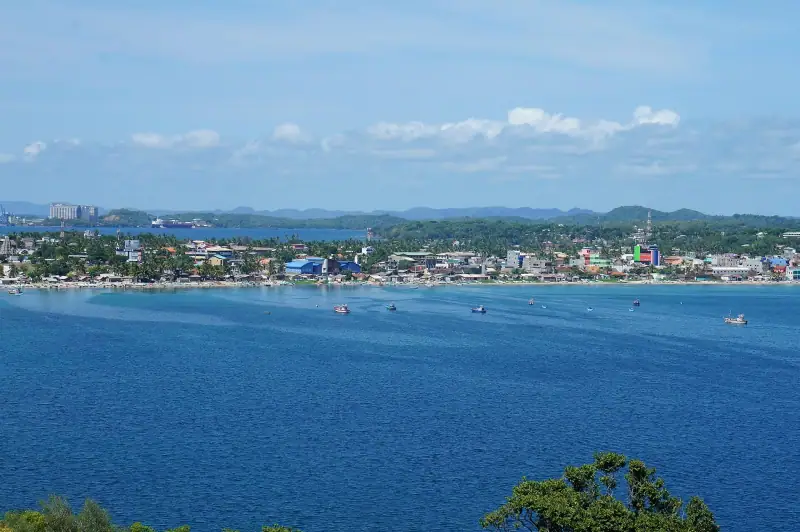
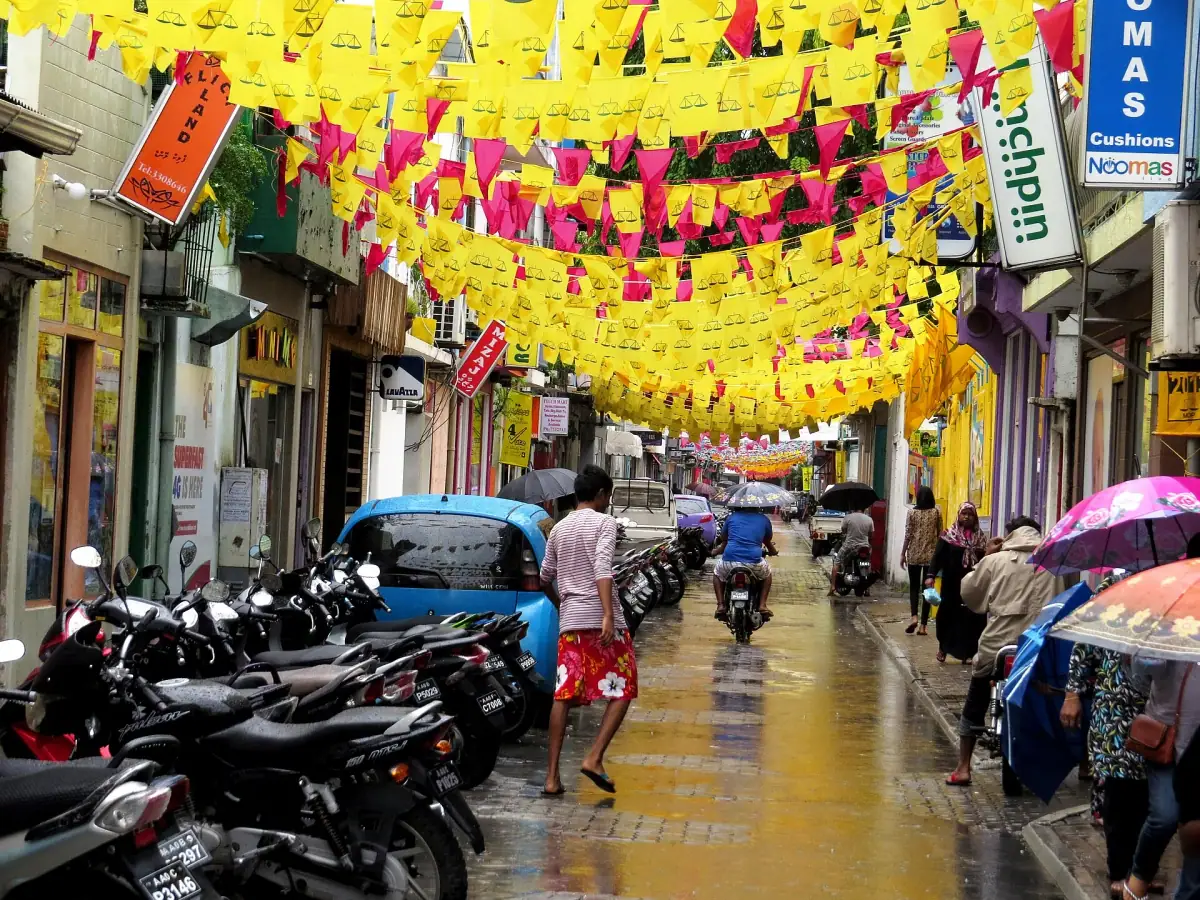
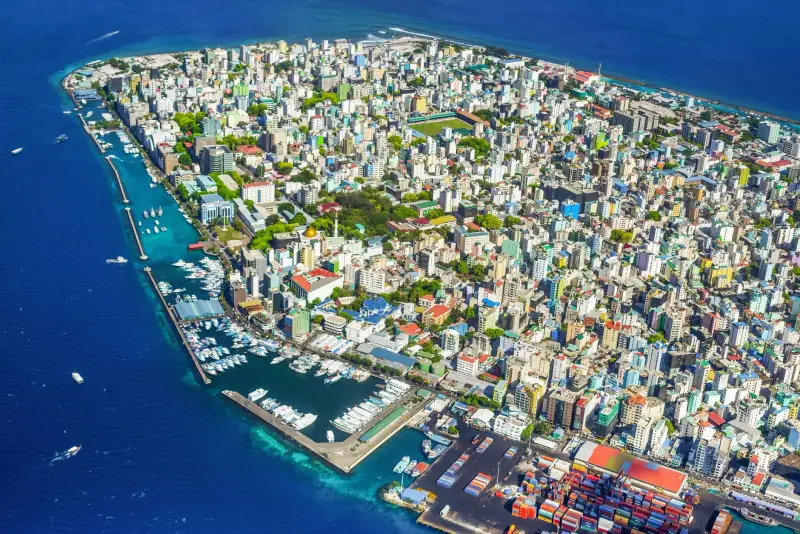
Malé is one of the world’s most astonishing urban curiosities. Imagine an island of 5.8 km² (2.2 sq mi) entirely covered in buildings, home to 250,000 people, and surrounded 360° by the Indian Ocean. Not an inch of land to spare, streets packed with scooters, and yet, a few minutes by boat away, the paradise of turquoise lagoons. Malé is worth a day’s visit before or after your stay in the atolls.
Discovering Malé on foot
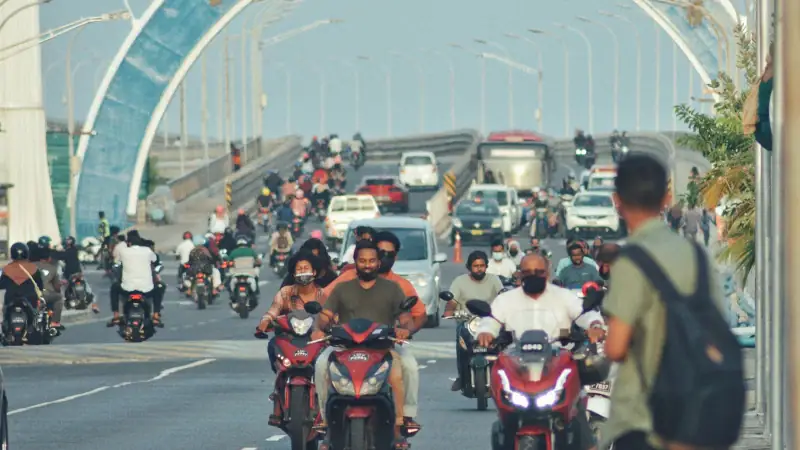
Malé is so small that you can see it entirely on foot. You need neither a car nor a taxi. In less than 2 hours of walking, you can circle the whole island. Here is a good route.
Start: the north jetty (Ferry Terminal)
Arrive from the airport by ferry or water taxi at Malé’s north terminal. This is where Marine Drive, the main coastal boulevard, begins.
Marine Drive: this promenade runs along the island’s north coast for 2 km (1.2 mi), with views of Velana Airport, the ferries, the fishing boats and, in clear weather, the atoll’s islands. It is where residents stroll at the end of the day.
The Grand Islamic Mosque (Islamic Center)
The architectural symbol of Malé. This Islamic centre, inaugurated in 1984, can hold 5,000 worshippers and its golden dome is visible from afar. It is the largest mosque in the Maldives.
- Access: non-Muslims can enter the main hall outside prayer times
- Dress code: covered clothing required, headscarf for women
- Prayer times: the muezzin calls to prayer 5 times a day. Respect these times.
The grand mosque is adjacent to Jumhooree Maidan park, Malé’s main square.
The Friday Mosque (Hukuru Miskiy)
This is Malé’s oldest and most beautiful mosque. Built in 1658 of white coral, its architecture is a masterpiece of Maldivian Islamic craftsmanship. The columns and walls are decorated with Quranic engravings and hand-carved arabesques.
The adjoining cemetery holds the tombs of the sultans of Malé, recognizable by their engraved coral columns.
- Address: Medhuziyaaraiy Magu
- Open to tourists: outside prayer times
- Photography: allowed from outside; ask permission inside
The Fish Market
At the western end of Marine Drive, Malé’s fish market is one of the liveliest scenes in the city. Tons of skipjack tuna (the staple species of Maldivian cuisine), wahoo and other species pass through every morning.
Best time: in the morning (7-10 am) when the boats unload their catch. The atmosphere is intense, the smells strong, and the colors spectacular.
Next to the fish market is the Local Market, where residents buy vegetables, fruit, spices and coconuts. You will also find souvenirs there at prices well below the tourist shops.
The National Museum of the Maldives
Housed in the former royal palace in Sultan Park, the National Museum is the best introduction to Maldivian history and culture.
Main collections:
-
Pre-Islamic artifacts (the Maldives were Buddhist before Islamization in the 12th century)
-
Objects from the sultanate period
-
Coral antiquities
-
Collections of traditional costumes and ornaments
-
Memorabilia of Thor Heyerdahl’s visit (the Norwegian explorer discovered Buddhist coral statues in the Maldives)
-
Hours: often Tuesday-Sunday 10 am-4 pm, closed Mondays and public holidays (hours vary by source: check with the museum or your accommodation)
-
Admission: modest fee, varying by source (from a few dollars to about $10); check with the museum
Majeedhee Magu: the shopping street
This is Malé’s main street, the Maldivian equivalent of a grand boulevard. Clothing shops, grocery stores, restaurants, pharmacies and street vendors follow one another along this 500 m (1,640 ft) artery.
This is where you find the best souvenir shops. Unlike airport shops, prices here are negotiable and much lower. Typical products: coral carvings, woven palm mats, Maldivian batik clothing, spices and local tea.
Tip: negotiating is expected in the shops.
Jumhooree Maidan square
Malé’s main public square, facing the grand Islamic mosque. It is surrounded by the main government buildings (presidency, parliament) and is a place of political and festive gatherings.
In the evening, Maldivian families gather there for a stroll. It is an excellent place to observe local social life.
Where to eat in Malé
To learn everything about local cuisine, see our guide to Maldivian food.
Tea shops: a Maldivian breakfast
Tea shops are Malé’s culinary institution. They are small, no-frills cafes where Maldivians meet for breakfast or lunch.
The classic morning menu:
- Mas huni: grated tuna mixed with fresh grated coconut, chili and onions. Served with roshi (unleavened flatbread)
- Bis keemiya: a vegetable-stuffed pastry, samosa style
- Bajiyaa: a fried ball of vegetables or tuna
- Local milk tea (Maldivian chai)
Budget: about $3-6 for a full breakfast (indicative, prices change).
Midday restaurants
Around Orchid Magu street and in the market district, restaurants offer daily specials based on tuna curry, rice and vegetables.
Price: about $6-12 for a full meal with a drink (indicative, prices change).
Accommodation in Malé and Hulhumalé
Guesthouses and hotels for your transit through the capital.
Practical tips for visiting Malé
Respect prayer times. Five times a day, shops close for prayer (15-20 minutes). Plan your visits accordingly. Friday midday is the longest prayer.
Be respectful in mosques. Shoes off, covered clothing, silence, no photos without permission.
Watch out for scooters. Traffic in Malé is dense and scooters move fast. Cross at pedestrian crossings and look carefully before crossing.
ATMs. Cash machines are generally available in Malé, notably around the jetty and Majeedhee Magu; check with your bank that your international card is accepted and keep some cash.
The heat. Malé is an island of concrete with no green space. Midday heat is oppressive. Visit early in the morning or late in the day, and take an air-conditioned break in the middle.
Malé is a city apart in the world of travel: nowhere else will you see a capital so dense and so surrounded by ocean. Take the time to discover it before rushing off to the lagoons. It will give you a completely different perspective on the Maldives.
Frequently asked questions
How long does it take to visit Malé?
Half a day to a full day is enough to see Malé's highlights. The island is very small (5.8 km² / 2.2 sq mi) and everything is visited on foot. A day lets you see the mosques, the fish market, the National Museum and stroll along Marine Drive.
Is Malé a safe city for tourists?
Yes, Malé is very safe for tourists. Crime is extremely low. You can walk around at any hour of the day and night without risk. Maldivians are welcoming and hospitable.
Do you need to dress in a particular way in Malé?
Yes. In the streets of Malé (an Islamic city), modest dress is required: shoulders covered, knees covered. No beach shorts or tank tops in the streets. A T-shirt and light trousers are perfect.
Are there restaurants with alcohol in Malé?
No, Malé is an Islamic city with no alcohol in public restaurants and cafes. Some licensed tourist establishments, such as those at Crossroads (near Hulhumalé), serve alcohol; check with the establishment. If you want to drink alcohol, plan to go to a private-island resort.
Can you visit the mosques of Malé?
The Friday Mosque (Hukuru Miskiy) is open to non-Muslims outside prayer times. The Grand Mosque (Islamic Center) is partially accessible. Dress modestly, remove your shoes at the entrance and be discreet.
More Maldives guides
Keep reading
Visiting Ari Atoll: a complete guide to the whale shark paradise
Ari Atoll, Maldives: whale sharks year-round, Maaya Thila, Dhigurah and guesthouses. Complete 2026 guide to this exceptional atoll.
Visiting Addu Atoll: a complete guide to the Maldivian end of the world
Addu Atoll, Maldives: diving the British Loyalty wreck, a unique causeway, Addu City and preserved nature. Complete 2026 guide to the southernmost atoll.
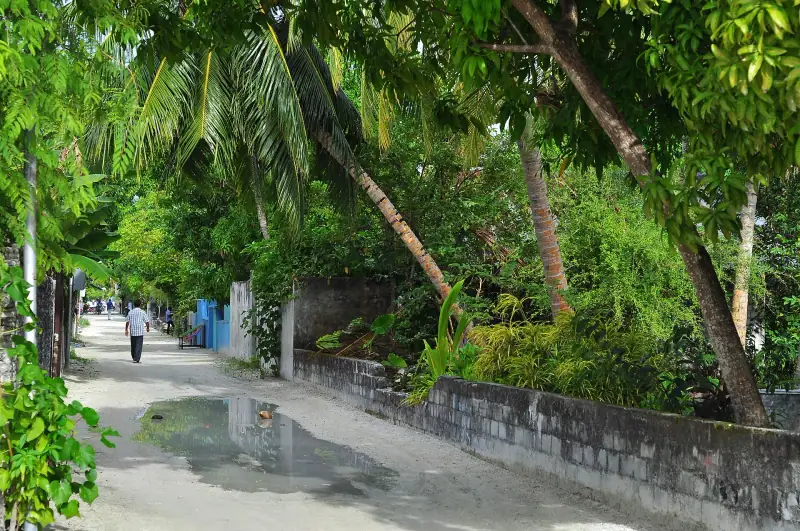
Visiting Addu City: a complete guide to the atoll at the end of the world
Addu City, Maldives: British history, diving the British Loyalty wreck, unique coral causeways, local culture and preserved nature. 2026 guide.
Ready-made
Maldives itineraries
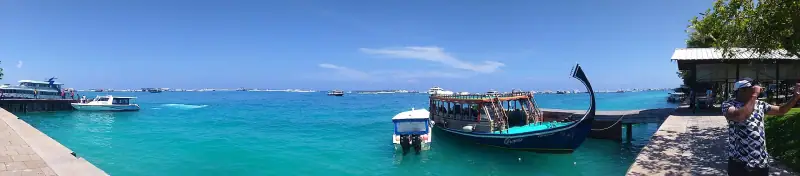
10 days
Maldives in 10 days: a complete itinerary to explore the atolls
10-day Maldives itinerary: Malé, Hulhumalé, Maafushi, Thulusdhoo and Ari Atoll. Day-by-day plan with transport, budgets and practical tips.
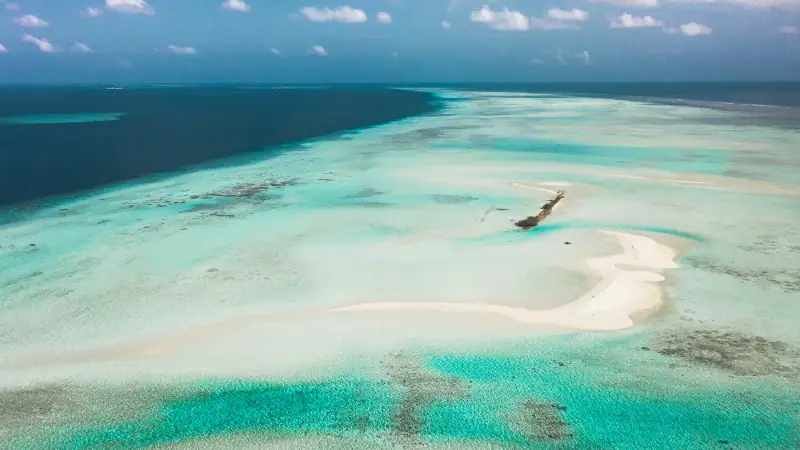
7 days
Maldives in 7 days: the ideal full-week itinerary
Complete itinerary to visit the Maldives in 7 days: Malé, Maafushi, island hopping and resort option. Day-by-day plan with practical tips.
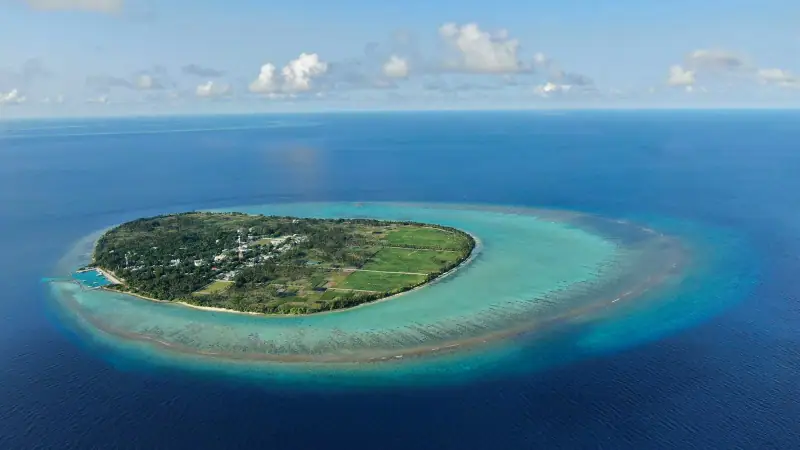
5 days
Maldives in 5 days without a seaplane: a realistic local-island itinerary
MaafushiThulusdhoo