Plan your trip
Best Time to Visit Jordan: A Month-by-Month Guide
We may earn a commission when you book through links on this page, at no extra cost to you. We don't visit or try the places we cover: we summarize published sources. How we work
In short
- Spring (March-May) is the best season: 15-25 °C (59-77 °F) in Petra, green hills; April is ideal but busy with Easter crowds and higher prices.
- October is the best compromise: 18-26 °C (64-79 °F) in Amman, 17-25 °C (63-77 °F) in Petra, little rain and fewer tourists than spring.
- July and August are the hottest and busiest: 35-42 °C (95-108 °F) in the desert, with Aqaba the exception for sea and diving if you go early.
- Winter (December-February) is cheapest and quietest: it can rain in Petra and snow in Amman, while Aqaba stays at 18-22 °C (64-72 °F).
Choosing the right time to visit Jordan can make all the difference between a comfortable trip and an exhausting experience under crushing heat. Jordan has a very varied climate by region and season: the north (Amman, Jerash) has a Mediterranean climate, while the south (Wadi Rum, Aqaba) is resolutely desert. This guide helps you pick the best time for your activities and profile.
Understanding Jordan’s climate
Jordan is a country of climate contrasts. In less than 300 km (186 mi), you go from mountain areas receiving 500 mm (20 in) of rain a year to a desert receiving only 20 mm (0.8 in). Three main climate zones coexist.
The mountainous north (Amman, Jerash, Ajloun): Mediterranean climate with mild, rainy winters (5-15 °C / 41-59 °F) and hot, dry summers (30-38 °C / 86-100 °F). The rainy season runs from October to April.
The center-south (Petra, King’s Highway, Wadi Rum): Petra is at altitude (1,000-1,500 m / 3,280-4,920 ft), which makes it cooler than the desert in summer. Wadi Rum, lower, has extreme heat in summer (40-45 °C / 104-113 °F) and cold nights in winter (-5 to 5 °C / 23 to 41 °F).
Aqaba and the Jordan Valley: Hot, dry climate all year. Aqaba is pleasant from November to April (20-25 °C / 68-77 °F) but stifling in summer (38-42 °C / 100-108 °F).
Spring (March-May): the best period
Spring is unanimously considered the best season to visit Jordan, and for good reasons.
March marks the start of the season. Temperatures are mild (12-22 °C / 54-72 °F in Amman, 15-25 °C / 59-77 °F in Petra), rains gradually become rarer, and the Jordanian hills are covered with wildflowers and green vegetation. It is a rare sight in a country often seen as arid.
April is the ideal month. Perfect temperatures for walking all day in Petra without overheating. The wadis (valleys) are still partly green. The morning light in the Siq is magical. Hikes in Wadi Dana or Wadi Mujib are at their best.
May remains excellent, but temperatures start to rise. Amman and Aqaba approach 30 °C (86 °F). Petra can reach 28-32 °C (82-90 °F) at midday, which is still manageable.
Pros:
- Ideal temperatures for walking (15-25 °C / 59-77 °F)
- Green, flowering nature
- Long days (14-16 hours of light)
- Good availability of lodging
Cons:
- Easter holiday period: influx of tourists and high prices in April
- Book lodging and activities in advance
Summer (June-August): not recommended except for Aqaba
The Jordanian summer is brutal. Temperatures regularly reach 38-42 °C (100-108 °F) in Wadi Rum, and walking the Petra Siq at 35 °C (95 °F) is grueling.
What is still pleasant in summer:
- Aqaba remains workable if you are an early riser (sea at 27-29 °C / 81-84 °F, excellent diving, but intense heat in the afternoon)
- Amman is cooler than the rest of the country thanks to its altitude (750-1,000 m / 2,460-3,280 ft), and evenings are pleasant
- Amman’s air-conditioned museums
What to avoid in summer:
- Hiking in Petra (be up at 6 am, take shade at midday)
- Wadi Rum at midday (camping is possible but nights stay hot, 25-30 °C / 77-86 °F)
- The King’s Highway by car without air conditioning
June is still bearable at 32-36 °C (90-97 °F). July and August are the hottest and busiest months of the year, with higher lodging prices in Aqaba’s beach resorts.
Autumn (September-November): excellent value
Autumn is the second-best season, and for some travelers it is even the favorite period.
September is still hot (30-35 °C / 86-95 °F) but far more bearable than in high summer. The Dead Sea is perfect (water temperature: 30 °C / 86 °F), and so is Aqaba. Wadi Rum regains color at sunset.
October is fantastic. Temperatures drop to 22-28 °C (72-82 °F), there are fewer tourists than in spring, and autumn light sets off the rock formations of Wadi Rum and the columns of Jerash.
November marks the start of the rainy season in the north. Amman and Jerash can have a few days of rain, but Petra and Wadi Rum generally stay sunny. Prices drop noticeably.
Pros:
- Fewer tourists, less crowded sites
- Lower lodging prices (except October in Petra)
- Pleasant evening temperatures
- Exceptional photographic light
Winter (December-February): for adventurers and small budgets
The Jordanian winter is underrated by travelers. While temperatures can fall low (0-5 °C / 32-41 °F in Amman, -5 °C / 23 °F at night in Wadi Rum), the advantages are real.
December and January: it can snow in Amman and Petra, a rare and magnificent experience if you are lucky. Most of the time it is simply cold and cloudy in the north. Aqaba stays pleasant (18-22 °C / 64-72 °F by day).
February: the first almond trees bloom in the Jordanian hills. Tourists are rare, lodging is very affordable, and the archaeological sites are almost yours alone.
Good to know for winter:
- Some Bedouin camps in Wadi Rum close or reduce their services
- Hiking trails can be muddy or impassable
- Bring warm clothes for nights in the desert
- The Jordan Pass remains valid and the sites are open
Month-by-month summary table
| Month | Amman temperature | Petra temperature | Rain | Tourists | Prices |
|---|---|---|---|---|---|
| January | 5-12 °C (41-54 °F) | 5-13 °C (41-55 °F) | Frequent | Very few | Low |
| February | 6-14 °C (43-57 °F) | 7-15 °C (45-59 °F) | Moderate | Few | Low |
| March | 9-18 °C (48-64 °F) | 10-20 °C (50-68 °F) | Rare | Moderate | Medium |
| April | 13-23 °C (55-73 °F) | 15-25 °C (59-77 °F) | Rare | Many | High |
| May | 18-28 °C (64-82 °F) | 18-28 °C (64-82 °F) | Very rare | Moderate | Medium |
| June | 22-32 °C (72-90 °F) | 22-32 °C (72-90 °F) | None | Moderate | Medium |
| July | 24-35 °C (75-95 °F) | 24-35 °C (75-95 °F) | None | Many | High |
| August | 24-35 °C (75-95 °F) | 24-35 °C (75-95 °F) | None | Many | High |
| September | 22-32 °C (72-90 °F) | 22-30 °C (72-86 °F) | None | Moderate | Medium |
| October | 18-26 °C (64-79 °F) | 17-25 °C (63-77 °F) | Rare | Moderate | Medium |
| November | 12-20 °C (54-68 °F) | 12-20 °C (54-68 °F) | Moderate | Few | Low |
| December | 7-14 °C (45-57 °F) | 7-14 °C (45-57 °F) | Frequent | Very few | Low |
Jordan in August: doable, if you adapt
Can you visit Jordan in August? Yes, but it is the hottest month of the year: expect 24-35 °C (75-95 °F) in Amman and Petra, 38-42 °C (100-108 °F) in Aqaba and over 40 °C (104 °F) in Wadi Rum by day. Plan your days around the heat, not in spite of it.
How to organize a week in August:
- Petra: enter at opening, around 6 am, and leave before 11 am. The site is at altitude, so more bearable than the desert, but the Siq offers no breeze at midday. Resume the visit in late afternoon if you are staying nearby. Our guide Petra: top sights details the hours.
- Wadi Rum: favor a jeep excursion at sunrise or sunset, and spend midday hours in the shade. Nights stay hot (25-30 °C / 77-86 °F), so camping is less comfortable than in autumn. See the Wadi Rum desert.
- Dead Sea and Aqaba: swimming and diving are possible (water at 27-29 °C / 81-84 °F in Aqaba), but keep afternoons for the air-conditioned pool. Details on our Dead Sea page.
- Amman: cooler thanks to its altitude, with pleasant evenings, it is the best base for the hottest days.
Advantages of August: festivals such as the Jerash Festival (late July and early August) and a summer atmosphere on the coast. Drawbacks: heavy crowds, higher lodging prices, and heat that is hard on children and fragile people. Drink at least 3 liters (about 100 oz) of water a day, wear a hat and use sunscreen.
Jordan in October: the good compromise
What is the weather like in Jordan in October? It is 18-26 °C (64-79 °F) in Amman, 17-25 °C (63-77 °F) in Petra, and rain is rare. Days are warm without being overwhelming, and evenings are cool. It is one of the best months to combine everything in a single trip.
| Destination | October | What to do |
|---|---|---|
| Petra | 17-25 °C (63-77 °F) | Walk all day, High Place of Sacrifice, Monastery |
| Wadi Rum | Pleasant days, cool nights | Jeep, hiking, camp night |
| Dead Sea | Water still warm | Swimming and floating |
| Aqaba | Hot, warm sea | Diving and snorkeling |
| Amman and Jerash | Mild, rare rain | Citadel, Roman ruins |
Tips for October:
- Book Petra in advance: it is one of the most popular autumn months for lodging.
- Bring a small jacket for desert evenings.
- Have a plan B at the end of the month: the first rains can arrive in the north, with sometimes sudden showers in the wadis. Avoid canyons in case of storms.
- Work out the Jordan Pass and the budget before booking.
August or October? Choose October if you want to walk in Petra and sleep in the desert; choose August only if your dates are fixed or if you mainly want the sea.
Recommendations by type of trip
To visit Petra: April, October or November. Avoid July-August at all costs.
For Wadi Rum: All year except July-August (extreme heat). Starry nights are magnificent from September to April.
For the Dead Sea: All year, but swimming is more pleasant from May to October. If you have a skin condition, ask your doctor or a travel clinic, and see the official travel health pages (CDC in the US, TravelHealthPro in the UK).
For Aqaba and diving: October to May for diving (water between 22 and 28 °C / 72 and 82 °F, maximum visibility). July-August for fans of intense heat.
For budget: November, December (outside the holidays) and January-February have the lowest prices.
To avoid crowds: October-November or January-February. Avoid Easter and school holidays in general.
Events and holidays to know
Ramadan: The Muslim month of fasting (dates vary with the lunar calendar) changes the atmosphere in Jordan. Restaurants close during the day, and the pace of life changes. Iftar evenings (the breaking of the fast) are a unique cultural experience.
Jordanian national holidays:
- May 25: Independence Day (national day)
- Other national and religious holidays vary from year to year: check them with the Jordan Tourism Board before booking.
Jerash Festival: A festival of culture and arts usually held in late July and early August (2026 edition: July 23 to August 2). Concerts, theater and performances in the Roman ruins.
Whatever period you choose, Jordan will offer a memorable experience. Spring and autumn remain the golden seasons, but even winter has its charm for those seeking authenticity away from the crowds.
Entry rules depend on your passport. Check the official travel advice of your government before you book: travel.state.gov (US), GOV.UK (UK), travel.gc.ca (Canada), Smartraveller (Australia) (checked November 2026).
Sources
Frequently asked questions
What is the best season to visit Petra?
Spring (March to May) and autumn (September to November) are ideal for visiting Petra. Temperatures are pleasant for walking all day, between 15 and 25 °C (59 and 77 °F). In summer, the heat regularly exceeds 35 °C (95 °F) on the site.
Can you go to Jordan in December?
Yes, but winter is the least recommended season. It can rain in Petra and snow in Amman. On the other hand, prices are very low and sites almost empty. Aqaba remains a good winter option with 18-22 °C (64-72 °F) by day.
Which month should you avoid in Jordan?
July and August are the hottest months with 35-42 °C (95-108 °F) in the desert. Wadi Rum and Petra become very hard to get around. It is also high season with high prices.
Is Jordan doable during Ramadan?
Yes, Jordan is very welcoming during Ramadan. Many local restaurants close or reduce their hours by day, but hotels and most restaurants in tourist areas serve their customers; site hours may be shifted (Ramadan 2027 is expected from early February to early March, dates to confirm). Evenings are especially festive and culturally rewarding. Avoid it if you cannot stand not eating in public.
When is it cheapest to visit Jordan?
December to February (outside the year-end holidays) is the cheapest period. Autumn (September-October) offers the best value: good weather, few tourists and reasonable prices.
Can you visit Jordan in August?
Yes, but you must adapt to the heat: 24-35 °C (75-95 °F) in Amman and Petra, over 40 °C (104 °F) in Aqaba and Wadi Rum. Visit Petra from 6 am, keep afternoons for the pool or the sea and stay in Amman or Aqaba.
What is the weather like in Jordan in October?
It is 18-26 °C (64-79 °F) in Amman and 17-25 °C (63-77 °F) in Petra, with little rain. Days are ideal for walking and evenings are cool: October is one of the best months to visit the country.
More Jordan guides
Keep reading
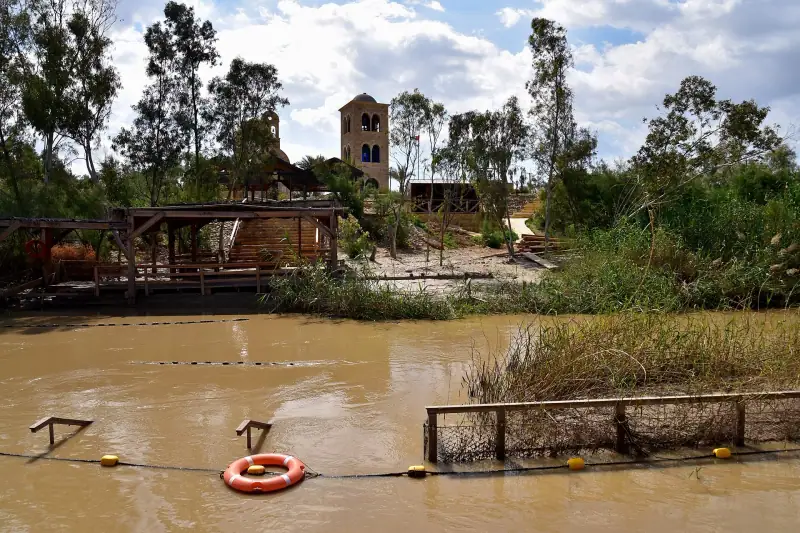
Baptism Site in Jordan (Al-Maghtas): Price, Hours, Shuttle and Visit Time
Jesus's baptism site in Jordan: 12 JOD for foreign visitors, free under 12, shuttle and guide included, hours, visit time and what to wear.

Where to Stay Near the Dead Sea: Best Resorts and Lodging
Where to stay near the Dead Sea in Jordan: luxury resorts, budget alternatives in Madaba, private beaches and practical tips.
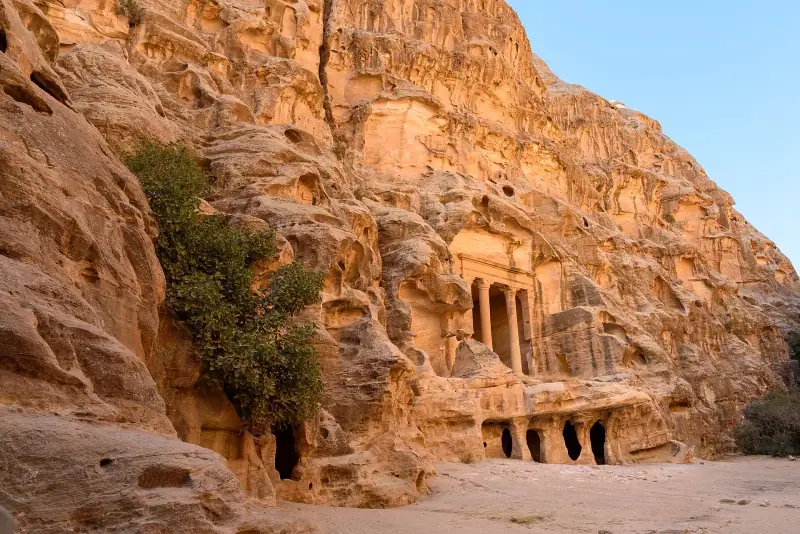
Little Petra (Siq al-Barid): Getting There Without a Car, Prices and Visit Time
Little Petra is 9 km from Wadi Musa: taxi or walk, ticket, official hours, visit time, the Painted House and the trail to the Monastery.
Ready-made
Jordan itineraries
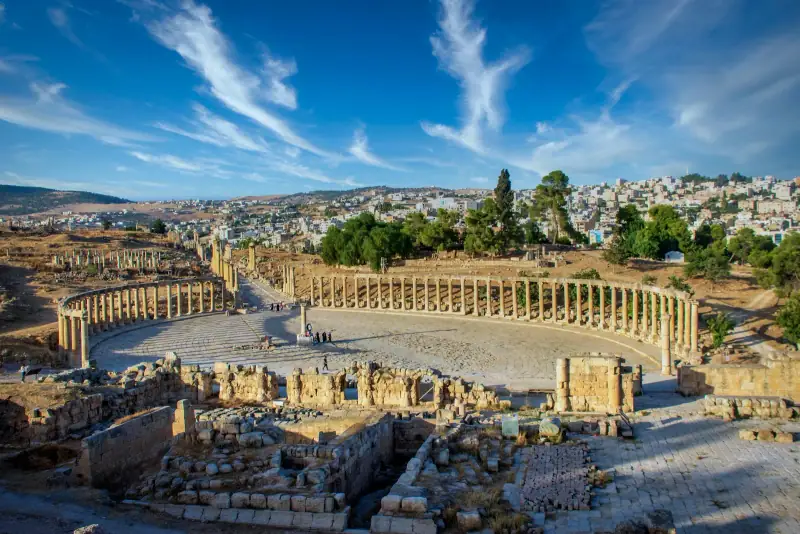
3 days
Northern Jordan Road Trip: Amman, Jerash and Ajloun
A complete northern Jordan road trip: Amman, the Roman city of Jerash, Ajloun Castle and Umm Qais in 3 to 4 days.
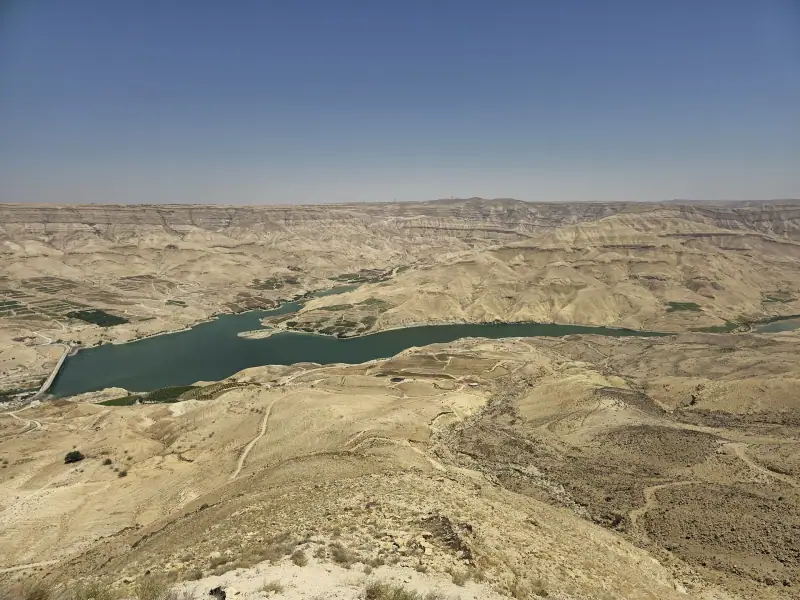
10 days
Road Trip in Jordan: The Self-Drive Guide
Plan your Jordan road trip: King's Highway, Desert Highway, Wadi Rum and Aqaba. Itinerary, driving tips and rental car basics.
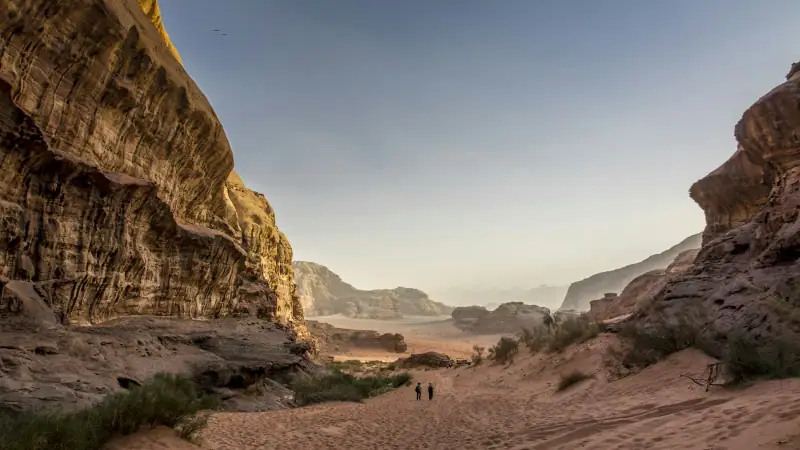
5 days
Jordan in 5 Days Without a Car: A Realistic Bus and Taxi Itinerary
Jordan in 5 days without a car: Amman, Petra, Wadi Rum and Aqaba by JETT bus, minibus and taxi. Distances, travel times, schedules and a realistic budget.