Things to do
Sutjeska National Park: Complete Guide (Hiking, Perućica Forest, Maglić)
We may earn a commission when you book through links on this page, at no extra cost to you. We don't visit or try the places we cover: we summarize published sources. How we work
In short
- Perućica primeval forest (about 1,434 hectares) can only be entered with a guide; book at the visitor center in Tjentište. The visit takes 4 to 6 hours and passes the 75 m (246 ft) Skakavac waterfall.
- Maglić (2,386 m / 7,828 ft) is Bosnia's highest point: 8 to 10 hours round trip, about 20 km (12 mi), about 1,400 m (4,600 ft) of climbing. Start before 7 am.
- Sutjeska is about 100 km (62 mi) and 2 hours from Sarajevo by car; buses run but often once a day. A car is strongly recommended.
- Best period is June to September. Entry is around 10 KM (about $6), according to local operators; the Perućica guide is charged separately.
In eastern Bosnia, Sutjeska National Park is one of the best-preserved natural treasures of the Balkans, and of all Europe. Created in 1962, it is the oldest national park in Bosnia and Herzegovina. It holds one of the last primeval forests of southeastern Europe, the highest point in Bosnia, deep gorges and crystal-clear rivers. Yet it remains largely unknown to foreign travelers. This guide tells you everything you need to explore it safely.
Perućica forest: an extraordinary primeval forest
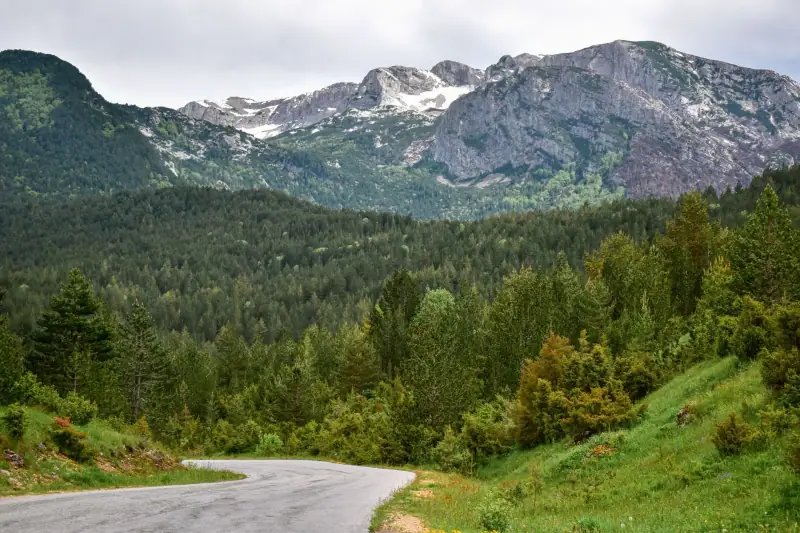
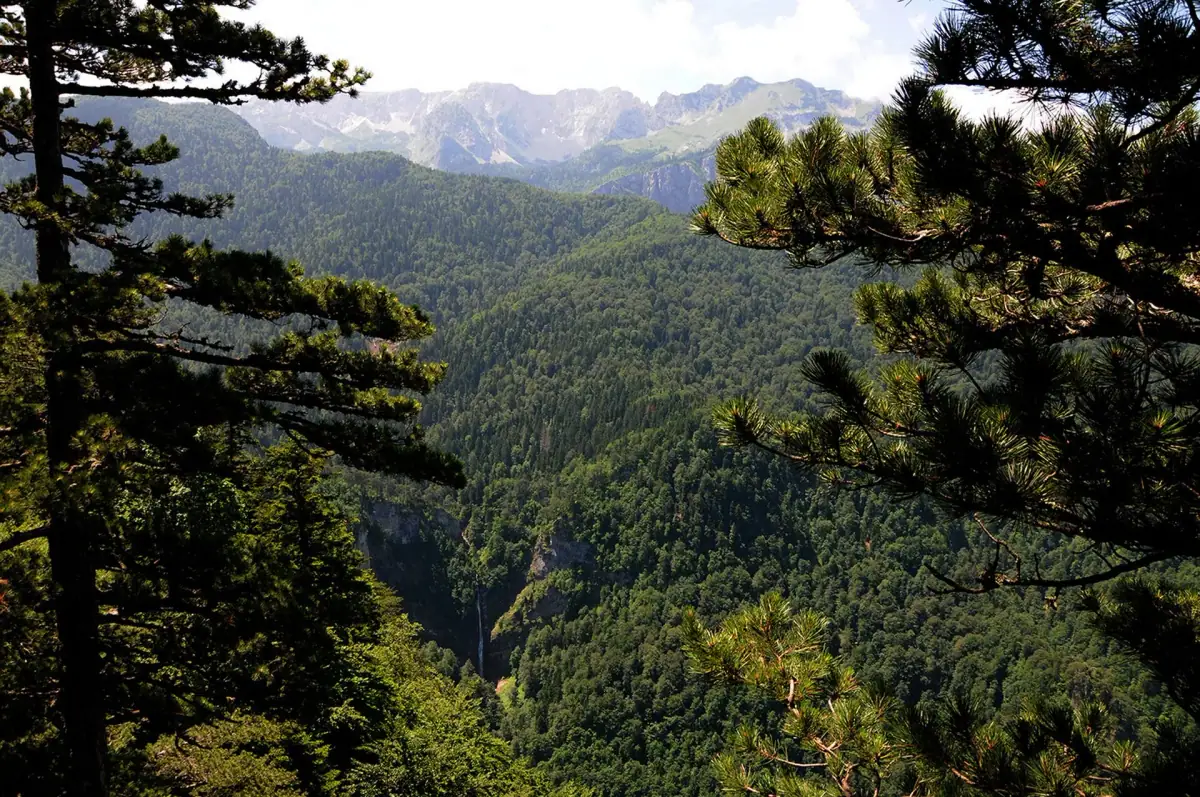
Perućica forest is arguably the main reason Sutjeska National Park is worth the trip. With about 1,434 hectares (3,543 acres) of forest untouched for millennia, it is among the few primeval forests still standing in Europe, alongside Białowieża in Poland and a few protected areas of the Romanian Carpathians.
What you will see in Perućica
Entering Perućica is traveling back in time. Beeches (Fagus sylvatica) and spruces (Picea abies) reach impressive sizes: some trees exceed 50 meters (164 ft) in height and 500 years in age. The undergrowth is covered with mosses, lichens and giant ferns. No sound of machinery, no road: only the wind in the treetops and birdsong.
The Skakavac waterfall is the high point of the visit. This 75-meter (246 ft) waterfall, framed by limestone cliffs and dense vegetation, is one of the most spectacular in the Balkans. It is reached from the forest entrance after about 2 to 3 hours of walking depending on pace.
How to visit Perućica
Entry to the primeval forest is strictly regulated and an accompanying guide is mandatory. This rule protects the fragile ecosystem and ensures your safety in an environment with no fixed marked trails.
- Booking: at the park visitor center, in Tjentište
- Visit length: 4 to 6 hours depending on the route chosen
- Group: generally 5 to 15 people per guide
- Fitness required: good physical condition, terrain sometimes steep
It is strongly advised to contact the park in advance to confirm guide availability, especially in July and August.
Guided excursions in Sutjeska park
Hike with a local guide who knows Perućica forest and Maglić.
Climbing Maglić: the roof of Bosnia
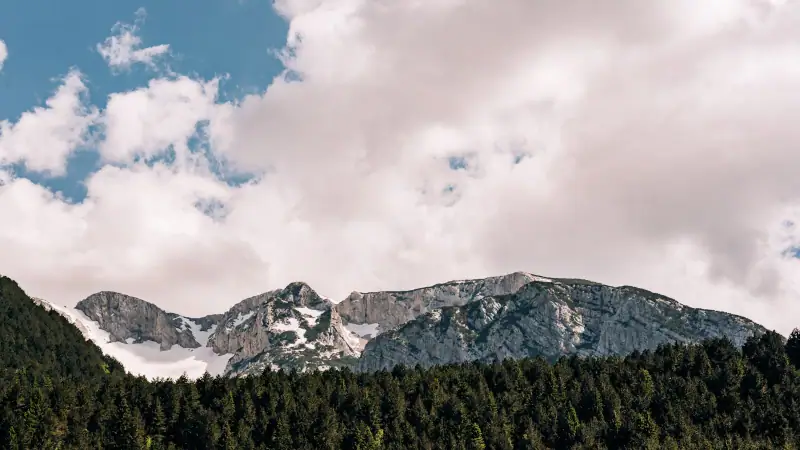
Maglić peaks at 2,386 meters (7,828 ft) and is the highest point in Bosnia and Herzegovina. Its ascent is one of the most rewarding high-mountain hikes in the Balkans, with a 360° view of the surrounding massifs, the Sutjeska gorges and, in clear weather, as far as the mountains of neighboring Montenegro.
Hike characteristics
- Start: from the center of the park, at Tjentište
- Duration: 8 to 10 hours round trip depending on your fitness
- Elevation gain: about 1,400 meters (4,600 ft)
- Distance: about 20 km (12 mi) round trip
- Difficulty: hard, reserved for experienced hikers in good physical condition
Tips for a successful climb
Set off early in the morning without fail (ideally before 7 am) to avoid the afternoon thunderstorms common in summer. The summit ridge is exposed and conditions can change quickly. Carry at least 2.5 liters of water per person (about 2.6 quarts), food for the day, a windbreaker and a rain jacket whatever the morning weather.
A local guide is strongly advised, not for the safety of the trail itself, but for orientation in the last kilometers where marking can thin out on some rocky sections.
The border with Montenegro runs between two distinct peaks: Bosanski Maglić (2,386 m, Bosnian side) and Crnogorski Maglić (2,388 m, Montenegrin side). Reaching the Bosnian summit places you entirely in Bosnia and Herzegovina, not straddling the two countries.
The Sutjeska gorges
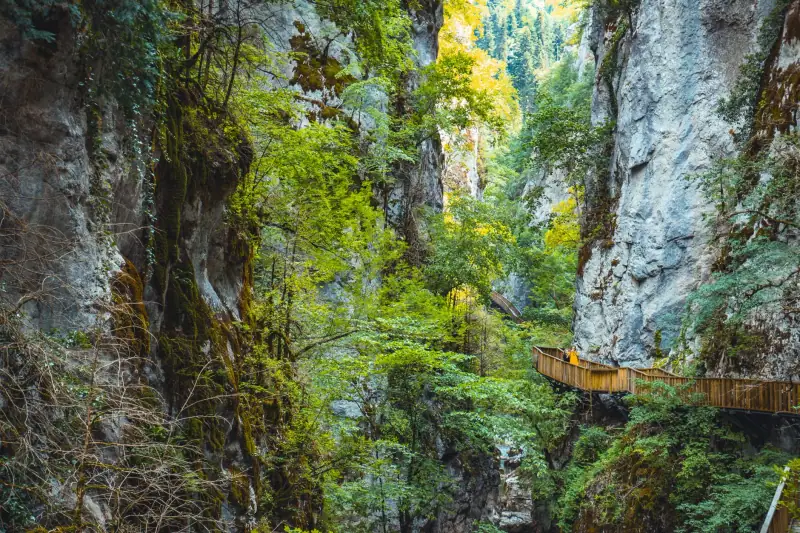
The Sutjeska river, which gives the park its name, runs through gorges of impressive depth. The limestone walls rise several hundred meters above the water in the narrowest sections, creating a dramatic and wild landscape.
A hike along the river lets you see riverside vegetation, turquoise rapids and, in season, many bird species. It is one of the most accessible hikes in the park, suited to hikers of all levels.
Note: The Sutjeska river can also be used for kayaking and rafting on some sections, an activity that is gradually developing in the region. Ask the park visitor center about approved operators.
Remarkable wildlife and plants
Sutjeska National Park is one of the last refuges in Bosnia for several threatened or vulnerable animal species.
Wildlife
- Brown bear (Ursus arctos): The park is home to a population of brown bears. Encounters are rare but possible. Ask the park rangers about the precautions to take.
- Gray wolf (Canis lupus): Present in the park, it keeps very discreet.
- Balkan lynx: Extremely rare, sometimes glimpsed in the wildest areas.
- Deer, chamois, wild boar: Well represented.
- Golden eagles and eagle owls: Visible above the gorges.
Plants
More than 2,500 plant species have been recorded in the park, including several endemic to the Balkans. Perućica forest alone concentrates exceptional biodiversity: more than 170 species of trees and shrubs, rare fungi and a particularly rich bryophyte flora (mosses and liverworts).
Stays in Tjentište and Foča
Sleep inside the park or at its gates to enjoy several days of exploring.
How to get to Sutjeska park
The park is in the eastern part of Bosnia, on the border with Montenegro. The village of Tjentište is the main entry point, where you find the park visitor center, a few places to stay and restaurants.
From Sarajevo
- By car: about 100 km (62 mi) via the national road (about 2 hours in good conditions). The road crosses spectacular mountain scenery over the Kalinovik plateau.
- By bus: lines link Sarajevo to Foča, Gacko and Tjentište, but with very few departures (often one a day). Ask about times at local bus stations.
From Mostar
- By car: about 130 km (81 mi), 1 h 50 to 2 h 15. The route goes via Foča.
From Dubrovnik (Croatia)
- By car: about 2 h 30, via Trebinje and Foča.
Logistics tip
The car is the ideal means of transport for visiting the park. It lets you park at the various trailheads, return easily to your accommodation and explore the surroundings (the Tara gorges on the Montenegrin side, Foča, the region’s lakes).
Where to sleep in or near the park
In Tjentište (inside the park)
The village of Tjentište has a modest but sufficient range of accommodation for one or two nights. You will find family guesthouses and small hotels with simple, generous local cooking. Camping is also an option much appreciated by travelers.
In Foča (about 30 km / 19 mi)
Foča is the closest town to the park with a good choice of accommodation. If you plan to spend several days in the region, it is a good base, with the added advantage of access to rafting on the Tara river (reputed to be one of the best rafting spots in the Balkans).
Flights to Sarajevo
Sarajevo is the ideal entry point for reaching Sutjeska by car.
Preparing your visit: practical information
Park visitor center
The visitor center is in Tjentište, beside the main road. This is where you pay entry fees, book a guide for Perućica and get trail maps. Staff generally speak a little English.
Rates and entry fees
Rates change with the season and the activity. As a guide, the park entry fee is modest. The guided Perućica visit carries extra fees. Check current rates directly on the park’s official website or by contacting the visitor center before your visit.
Essential equipment
- Waterproof hiking boots (the terrain is often wet, even in summer)
- Rain jacket and windbreaker (conditions can change quickly in the mountains)
- Water and food for the whole day (no supply points on the trails)
- Offline map (Maps.me or Mapy.cz with Bosnia downloaded)
- Trekking poles (recommended for Maglić and steep descents)
- Insect repellent (useful in the forest in summer)
- Headlamp (in case of delay at sunset)
Rules to follow absolutely
- Never leave the marked trails: peripheral areas may still present residual risks linked to the country’s recent history
- Do not light fires outside designated areas
- Do not pick plants or disturb wildlife
- Carry your trash out (no bins on the trails)
- Follow the park rangers’ instructions
Suggested itinerary: 2 days in Sutjeska park
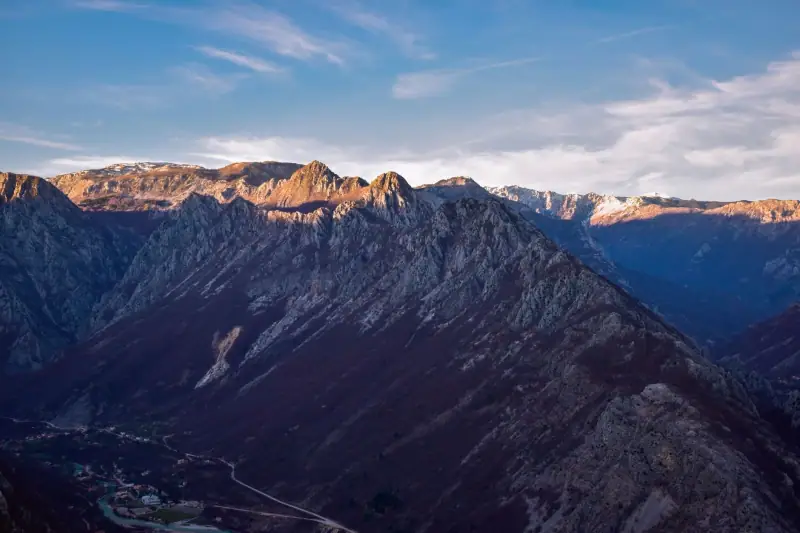
Day 1: arrival and Perućica forest
- Morning: Leave Sarajevo or Foča, arrive in Tjentište
- Late morning: Check in at the visitor center, meet the Perućica guide
- Afternoon: Guided hike in the primeval forest (4 to 5 hours), passing the Skakavac waterfall
- Evening: Return to Tjentište, dinner and overnight there
Day 2: gorges or Maglić climb
Option A (moderate level): Hike in the Sutjeska gorges along the river. A scenic and accessible day.
Option B (hard level): Start before 7 am for the Maglić climb. Full day, back in early evening.
For nature and hiking fans, extending to 3 days lets you combine both options without rushing.
To prepare your trip to Bosnia
Sutjeska park fits perfectly into a road trip in Bosnia and Herzegovina or a stay focused on hiking in Bosnia. If you are traveling from Sarajevo, see our complete Bosnia guide to organize your circuit. For nature lovers in the east of the country, our article on Eastern Bosnia will give you other stops to combine.
Frequently asked questions
Can you reach Sutjeska National Park without a car?
Hard but possible. Buses link Sarajevo to Foča, Gacko and Tjentište, but in very limited numbers (often one departure a day); check times with the carriers. A car is still strongly recommended to explore the park at your own pace and reach the secondary trails.
Do you need a guide to visit Sutjeska park?
Access to the Perućica primeval forest is strictly controlled: you must announce yourself to the park administration, get its permission and, in practice, be accompanied by a guide. For the park's other hikes (gorges, Maglić), a guide is strongly advised but not mandatory if you have mountain hiking experience.
How much does Sutjeska National Park cost?
The park entry fee is modest (around 10 KM, or about €5 / $6, according to local operators). The guided Perućica visit is charged separately and varies with duration. Ask directly at the Tjentište visitor center for current rates.
What is the best time to visit Sutjeska park?
June to September is ideal. June has the lushest vegetation. July-August suits hiking and camping perfectly. September offers beautiful fall colors with fewer people. Avoid May (snow possible at altitude) and winter (snowy roads).
Where should you stay to visit Sutjeska park?
The village of Tjentište, inside the park, has accommodation ranging from hotels to family guesthouses and camping. For more choice, Foča (about 30 km / 19 mi) and Gacko (about 30 km / 19 mi) offer more places to stay.
Are there mine risks in Sutjeska park?
The park's marked, official trails are secured. The absolute rule: never leave the marked trails, do not pick anything up off the paths, and always follow the park staff's instructions. Peripheral rural areas may still present residual risks.
Can you do Maglić in one day from Sarajevo?
Technically yes, but it is not recommended. The trip from Sarajevo takes about 2 hours, and the Maglić climb is a long day (8 to 10 hours round trip). It is better to sleep on site the night before to enjoy this demanding hike fully.
More Bosnia and Herzegovina guides
Keep reading
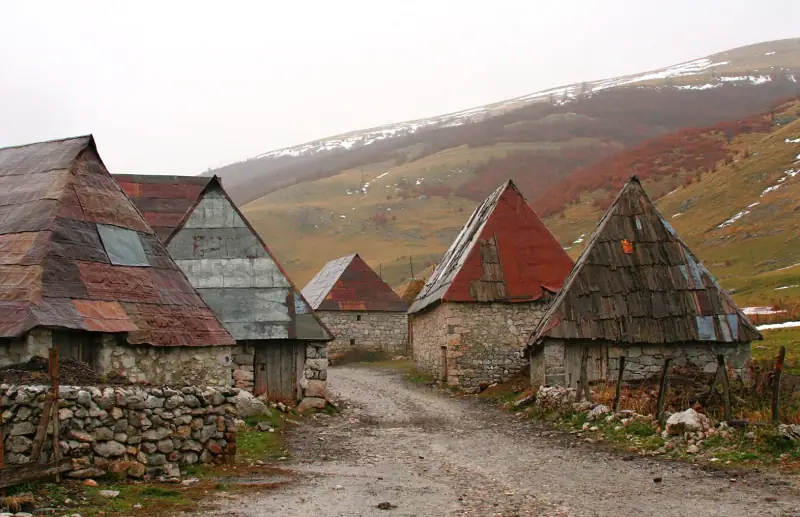
Lukomir: How to Visit Bosnia's Highest Village, With or Without a Car
Lukomir, a Bjelašnica village at 1,495 m: getting there from Sarajevo, the hike from Umoljani, tours or taxi, prices, season and precautions.
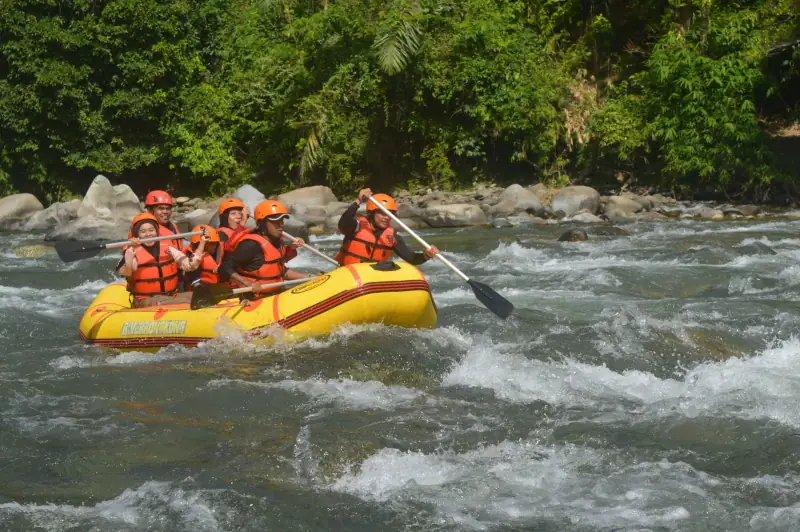
Rafting on the Una in Bosnia: Complete Guide to an Unforgettable Adventure
All about rafting on the Una river in Bosnia: levels, seasons, operators, Štrbački Buk and Martin Brod waterfalls. Bosnia's best adventure.
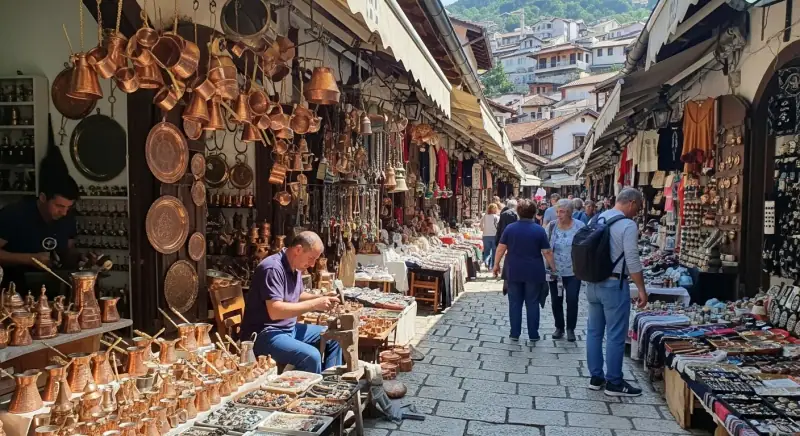
Bosnia Travel Budget: How Much Should You Plan for a Trip?
Everything about the budget for traveling in Bosnia and Herzegovina: accommodation, meals, transport, activities. Estimates by travel style.
Ready-made
Bosnia and Herzegovina itineraries
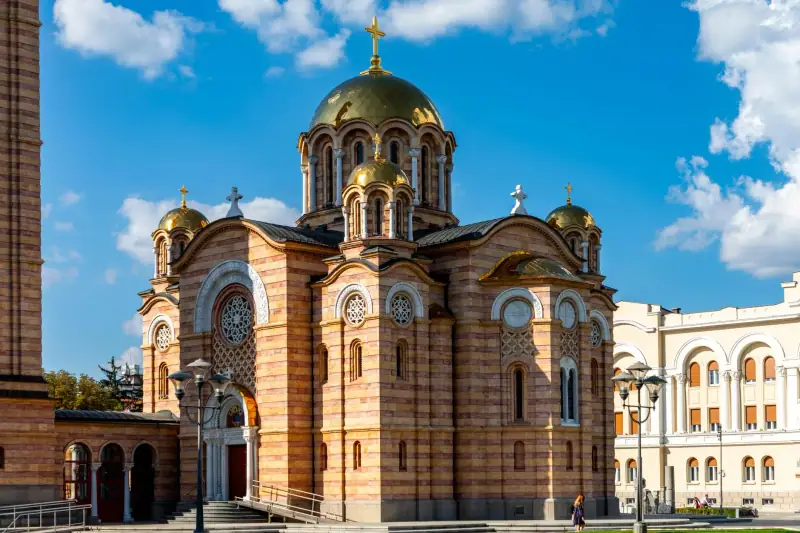
3 days
Northwest Bosnia: Banja Luka, Jajce and Una National Park
JajceBanja Luka
5 days
14 days
Bosnia and Herzegovina Road Trip: A 10 to 14 Day Itinerary by Car
Road trip through Bosnia and Herzegovina in 10 to 14 days: Sarajevo, Mostar, the Una, Sutjeska and Trebinje. The full itinerary to see it all.