What to see
Tirana Highlights: What to See and Do in Albania's Capital
We may earn a commission when you book through links on this page, at no extra cost to you. We don't visit or try the places we cover: we summarize published sources. How we work
In short
- One to two days cover the main sights; allow 3 days with day trips to Krujë or Durrës.
- BUNK'ART 1 and 2 cost about €9 (~$10) each for adults. The National History Museum has been closed for renovation since March 2024.
- The city center is walkable. Blloku is the lively evening district, with cafés and restaurants open until 2-3 am.
- The Dajti Ekspres cable car (about €15 round trip, ~$17, closed Tuesdays) reaches Mount Dajti, 25 km (16 mi) east of Tirana.
Tirana is a capital that puzzles and charms at the same time. It is colorful in the literal sense (the mayor had the Communist-era apartment blocks painted in bright colors in the 2000s), full of energy, dotted with traces of its Communist past, and yet firmly turned toward the future. It is one of the most authentic and surprising European capitals to visit. This guide takes you through the city’s highlights.
Skanderbeg Square: the heart of Tirana
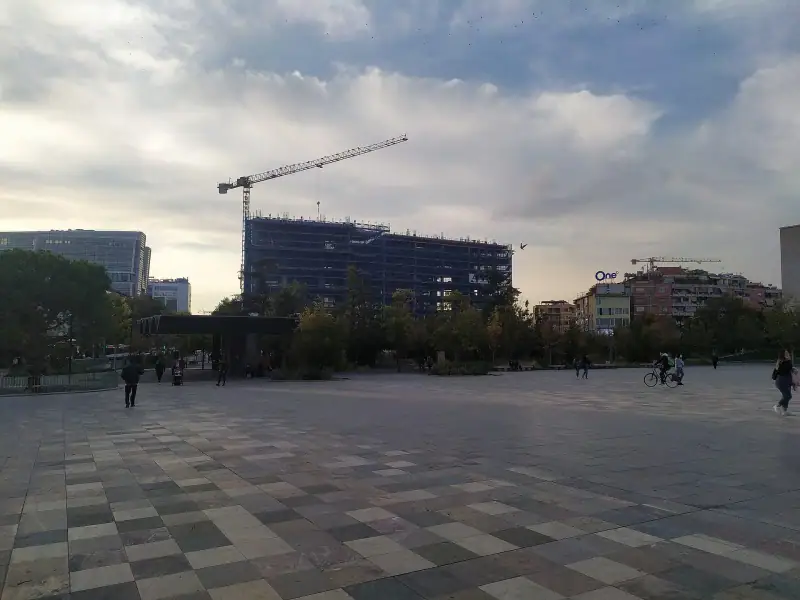
Skanderbeg Square (Sheshi Skënderbej) is the lung of Tirana. This vast esplanade in the center of the capital is surrounded by the city’s most important monuments, and the imposing equestrian statue of Gjergj Kastrioti Skanderbeg, the Albanian national hero who resisted the Ottoman Empire in the 15th century, is its symbol.
What to see around the square
The Et’hem Bey Mosque: Built between 1789 and 1823, it is one of the finest examples of Ottoman architecture in Albania. Its graceful minaret and its interior frescoes (depicting landscapes, bridges and trees, which is rare in Islamic art) make it a highlight. The mosque survived the destruction under Hoxha’s atheist regime and is still active.
The Clock Tower: Built in 1821-1822 on the orders of Haxhi Et’hem Bey (a local Ottoman notable), the Clock Tower (Kulla e Sahatit) is a symbol of old Tirana. It towers over the square and offers a good view from its base.
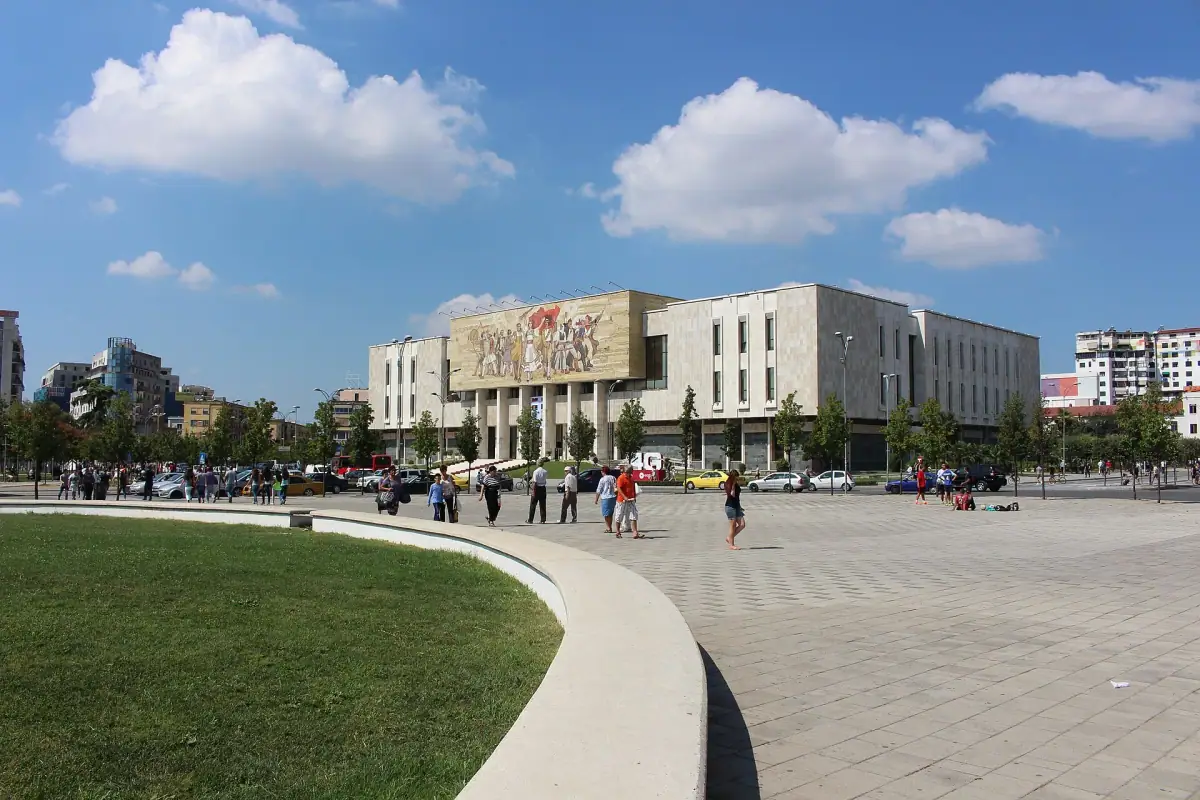
The National History Museum (Muzeu Historik Kombëtar): The largest collection of historical objects in Albania, from Illyrian prehistory to the Resistance of the Second World War and Communism. The museum has been closed for renovation since March 2024, with a reopening announced for around 2028: check its status before planning a visit. The large mosaic on the facade showing heroic Albanians remains visible from the square and is still emblematic.
The Palace of Culture: Built between 1959 and 1966, started with Soviet help but finished with Chinese help after the diplomatic break between Albania and the USSR in 1961, this building houses the National Theatre of Opera and Ballet of Albania. The hall is remarkable and performances take place regularly.
BUNK’ART: museums in bunkers
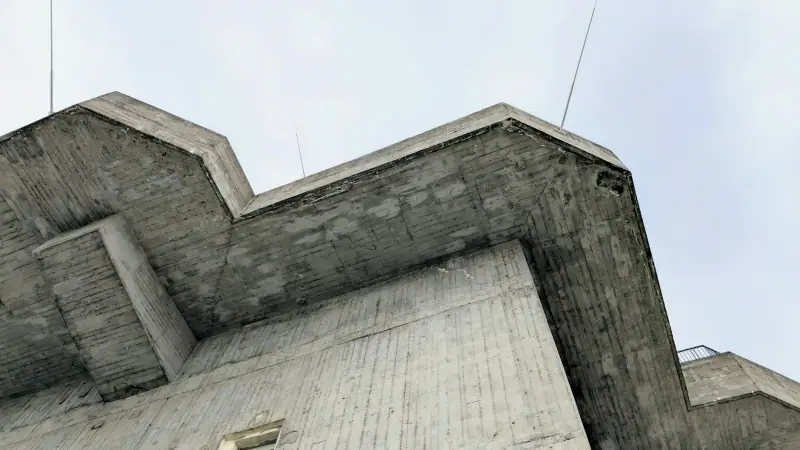
One of the most memorable experiences in Tirana. BUNK’ART 1 and BUNK’ART 2 are two former nuclear bunkers built under Enver Hoxha’s regime, turned into extraordinary museum spaces that tell the story of Communist Albania and its obsession with security.
BUNK’ART 1
Located at the foot of Mount Dajti, this colossal bunker (5 floors, 106 rooms, 3,000 m² / 32,300 sq ft) was meant to shelter the Albanian government in case of nuclear attack. Now a museum of contemporary art and history, it tells the story of the Communist regime with remarkable staging: its crimes, its paranoia, its achievements.
The visit takes 2 to 3 hours. The artistic staging mixes photographic archives, period objects and contemporary installations. It is one of the most original museums in the Balkans.
BUNK’ART 2
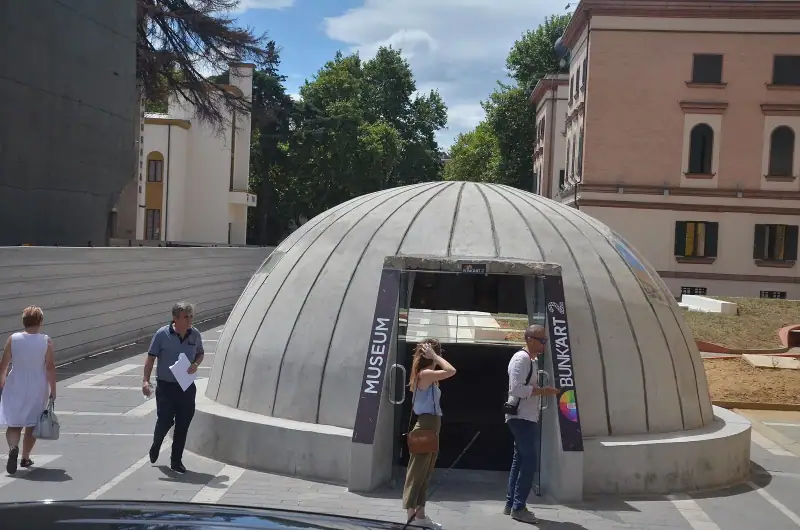
Located in the middle of Tirana (under the Ministry of the Interior square), BUNK’ART 2 is smaller but just as fascinating. It tells the story of the Albanian secret police (Sigurimi) from its creation on December 10, 1944. The reconstructed torture rooms and the testimonies of the regime’s victims are poignant.
Admission: about €9 (~$10) per museum (adults); audio guide +€1 (~$1) (2026).
Bunkers in the streets
Albania had more than 700,000 bunkers built under Hoxha, about one bunker for every four Albanians. These concrete domes can be seen everywhere in the country, from the streets of Tirana to farm fields and beaches. Many have been converted into shops, cafés and galleries. Spotting them in the urban landscape becomes a treasure hunt in Tirana.
Blloku: the former elite district
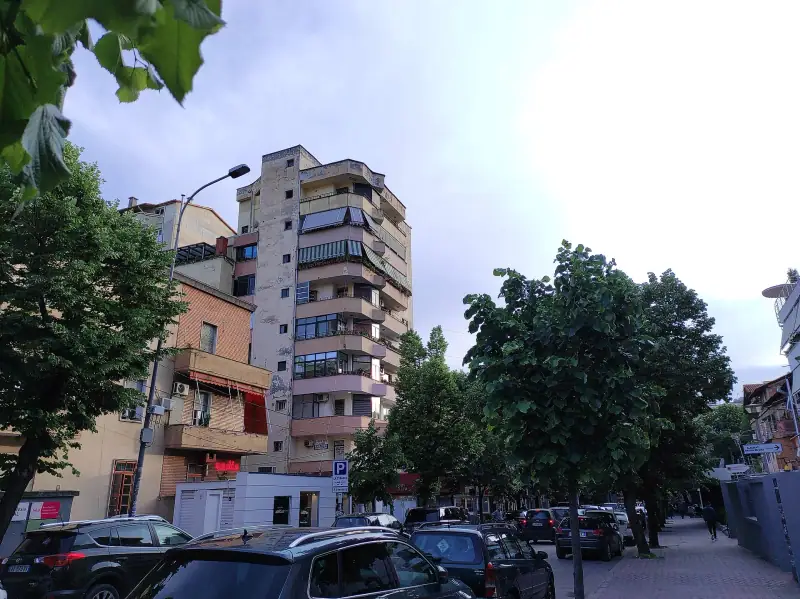
Blloku (literally “the Block”) was the residential district reserved for the Albanian Communist nomenklatura under Hoxha. Surrounded by barbed wire and off limits to ordinary people, this leafy district housed Hoxha’s villa and the residences of top leaders.
Since 1992, Blloku has opened up and become the heart of the social and cultural life of modern Tirana. Its tree-lined streets are full of cafés, restaurants, shops and art galleries.
What to do in Blloku:
- Have a coffee (kafe turke) in one of the many cafés; Albanians have a highly developed coffee culture
- Have dinner in one of the many Albanian or international restaurants
- See Enver Hoxha’s villa (Vila 31, now an artists’ residence in partnership with Art Explora), fairly discreet behind its walls
- Stroll and watch local life; Blloku is where Tirana watches itself live
Other Tirana highlights
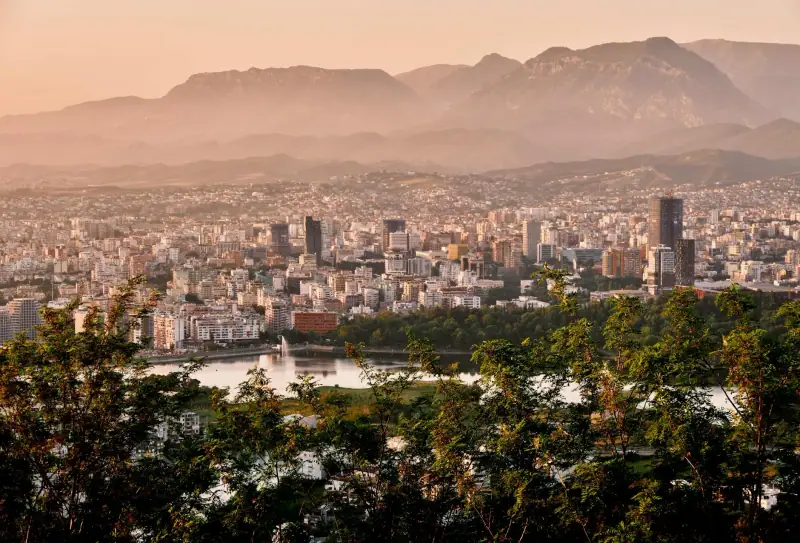
Dëshmorët e Kombit Boulevard
The main avenue linking Skanderbeg Square to the Brigades Palace (the former army headquarters) is lined with Tirana’s main institutional buildings. A walk between the two ends gives a good idea of the architectural gigantism of the Communist period.
The Pyramid of Tirana
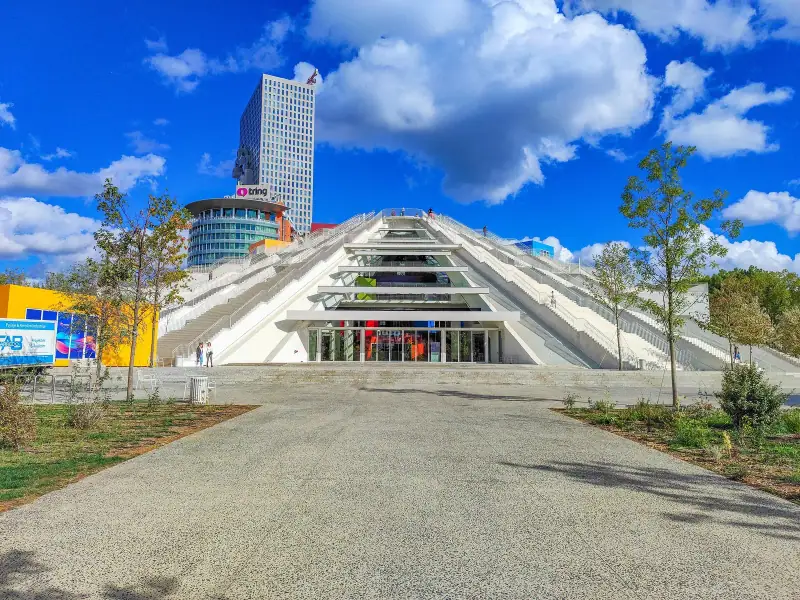
Built in 1988 as Enver Hoxha’s mausoleum, the pyramid has had many fates: museum, NATO base, ruined concert hall. Now converted into a cultural and educational center (TUMO), it is a symbol of Albania’s transition. Its geometric concrete silhouette remains one of the most recognizable pieces of architecture in Tirana.
The market on Rruga e Kavajës
The popular market on Kavajë street is the liveliest in Tirana. Fruit and vegetables, spices, textiles, kitchenware, odds and ends: an immersion in everyday Tirana life, away from the tourist areas.
Mount Dajti by cable car
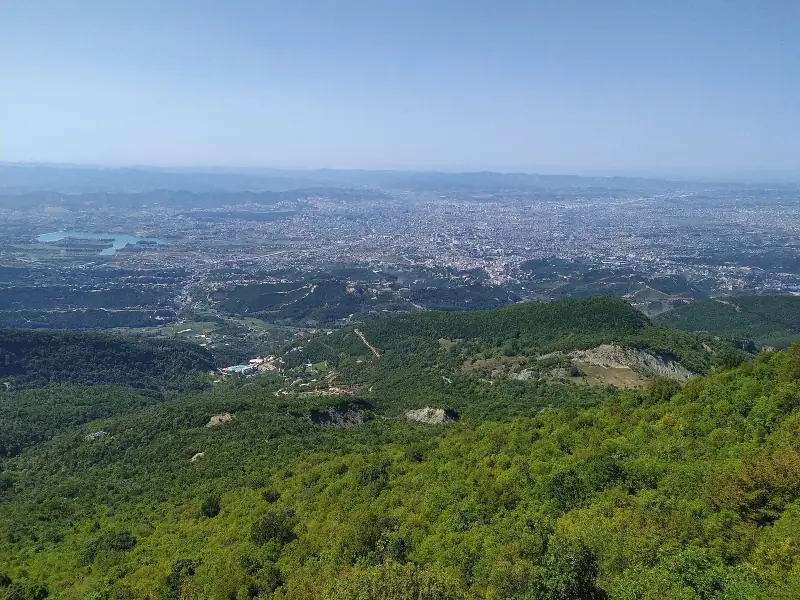
Mount Dajti (1,613 m / 5,292 ft), 25 km (16 mi) east of Tirana, is reached by the Dajti Ekspres cable car (round trip about €15, or $17; closed on Tuesdays). From the top, the view over Tirana and the central plain is splendid. In winter there is sometimes snow, a change of scenery from the city. Hiking trails and a small nature park let you extend the outing. For schedules and bus access, see our guide to the Dajti Ekspres.
The Orthodox Cathedral of the Resurrection
Built in 2012 in a contemporary Byzantine style, this large Orthodox cathedral in the central district is one of the most beautiful in Tirana. Its interior, decorated with mosaics, is open to visitors.
Day trips from Tirana
Tirana is an excellent starting point for day trips:
Krujë (31 km / 19 mi, 39 min): Skanderbeg’s national fortress and its museum, the Ottoman bazaar and the view over the valley make it one of the most popular excursions from Tirana.
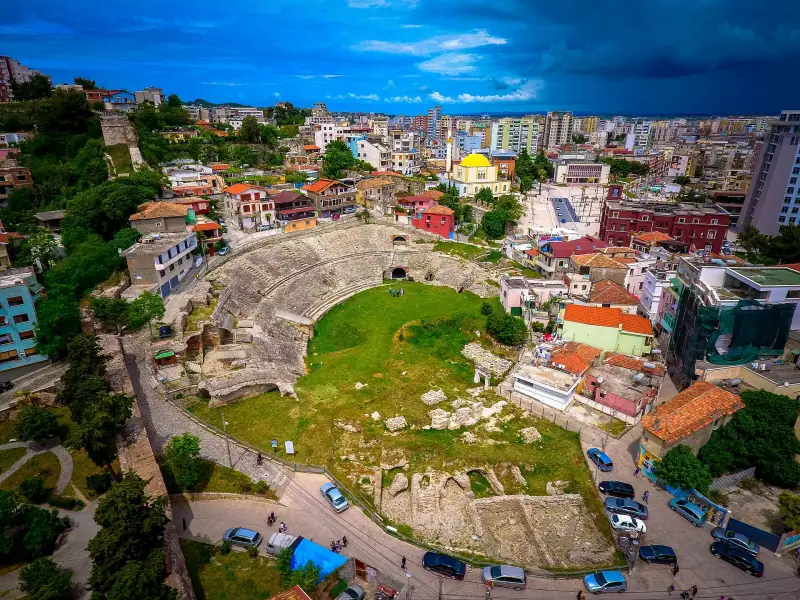
Durrës (38 km / 24 mi, 34 min): The largest Roman amphitheater in the Balkans, the urban beaches and the archaeological museum are worth half a day.
Berat (125 km / 78 mi, 2 h): If you have only one day to see Berat, leave Tirana early. It is doable in one long day from the capital.
A 2-day plan for Tirana
Day 1: The historic center
- Morning: Skanderbeg Square, Et’hem Bey Mosque, Clock Tower
- Lunch: Albanian restaurant in the center
- Afternoon: BUNK’ART 2 (center), Pyramid of Tirana, Blloku
- Evening: Dinner in Blloku
Day 2: Culture and a day trip
- Morning: BUNK’ART 1 (Mount Dajti), early start recommended
- Lunch: Restaurant up on Dajti
- Afternoon: Cable car and Dajti (panoramic view) or day trip to Krujë (Skanderbeg’s fortress)
- Evening: Last dinner in Tirana, a walk along the lit-up boulevard
To plan your full stay, see our 7-day Albania itinerary and our recommendations on where to stay in Tirana.
Sources
Frequently asked questions
How many days do you need to visit Tirana?
One to two days are enough to see the main sights. For a deeper visit that includes day trips nearby (Krujë, Durrës), allow 3 days. Tirana can also be a base for day trips to Berat.
How do you get around Tirana?
Central Tirana is walkable. For longer trips, use a local ride-hailing app (Clust, Vrapon or Patoko, according to recent guides) and check the fares shown in the app. Taxis exist, but agree on the price before getting in.
Are the museums in Tirana in English?
Partly. BUNK'ART has explanations in Albanian and English. Some museums offer audio guides or English-speaking guides. The National History Museum has been closed for renovation since March 2024 (reopening announced for around 2028), so check before you go.
What is the best neighborhood to visit in Tirana?
Blloku is the modern soul of Tirana, with cafés, restaurants and galleries. The historic center (around Skanderbeg Square) is the cultural heart. The two complement each other well.
Is there anything to do in Tirana in the evening?
Yes, Tirana has a great nightlife. Blloku is lively until 2-3 am with its cafés, bars and restaurants. Skanderbeg Square lit up at night is beautiful for an evening walk.
More Albania guides
Keep reading
Visiting Durrës: Complete Guide to Albania's Ancient Dyrrachium
Complete guide to visiting Durrës: Roman amphitheater, archaeological museum, Adriatic beaches, Byzantine walls and practical tips.
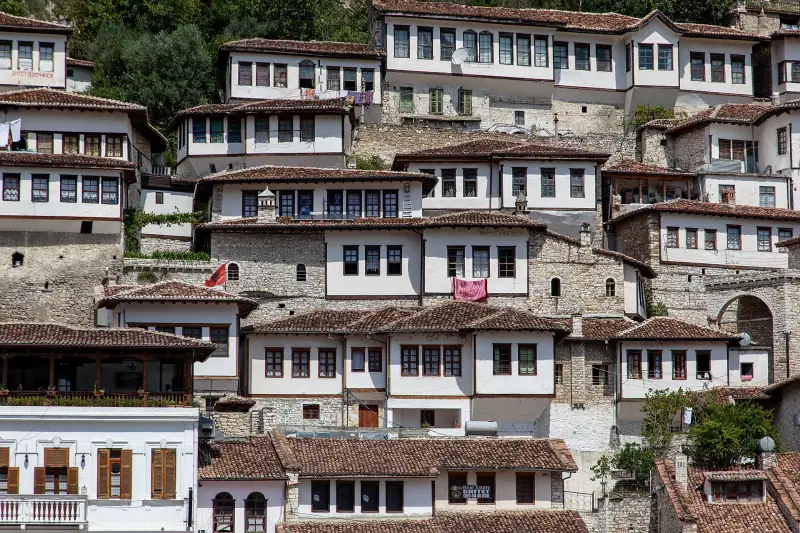
Visiting Berat: Complete Guide to the City of a Thousand Windows
Complete guide to visiting Berat: castle, Mangalem, Onufri Museum, Gorica. What to see, where to stay, how to get there. Albania's UNESCO heritage town.
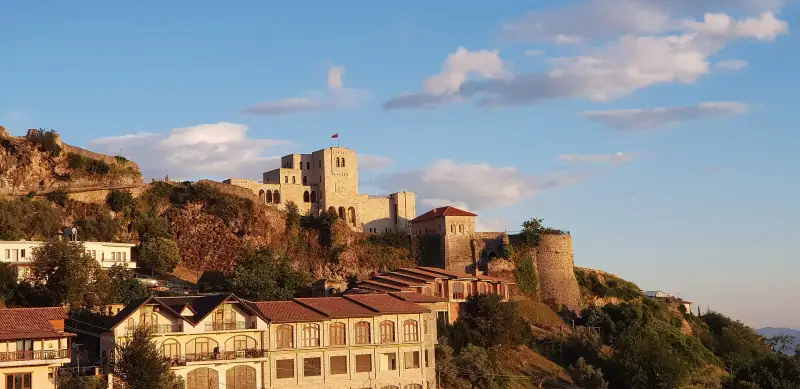
Krujë from Tirana without a car: bus, schedule, price and is it worth the detour?
Getting to Krujë from Tirana by bus: station, schedule, fare, Skanderbeg Museum entry, visit length and a straight answer: is it worth the detour?
Ready-made
Albania itineraries
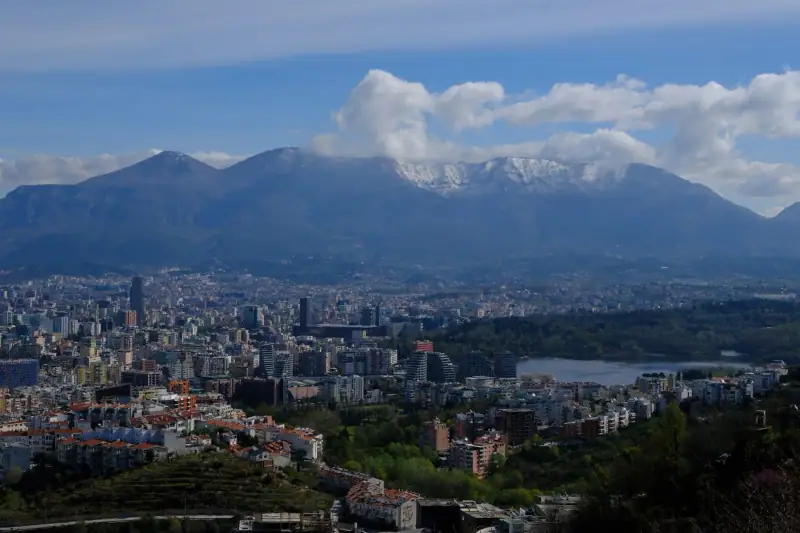
Tirana vs Sarandë: which city should be your base in Albania?
Tirana or Sarandë: a full comparison of Albania's two headline destinations to help you pick a base based on your interests and budget.
5 days
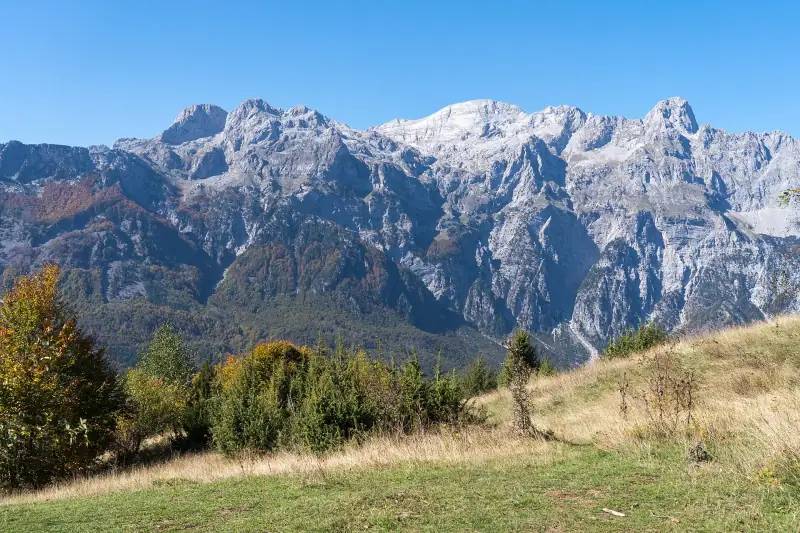
Albanian Alps Road Trip: Shkodër, Theth and Valbonë in 5 Days
ShkodërThethValbonë
8 days
Albania in 8 Days Without a Car: A Realistic Bus and Furgon Itinerary
TiranaBeratGjirokastërSarandë