Where to stay
Where to stay on La Digue: an accommodation guide for every budget
We may earn a commission when you book through links on this page, at no extra cost to you. We don't visit or try the places we cover: we summarize published sources. How we work
In short
- La Passe is the most practical area, with most services; L'Union / Anse Réunion puts you about 15 minutes by bike from Anse Source d'Argent.
- The north (Anse Sévère) is calm, with snorkeling from the beach. Everything on the island is reachable by bike.
- Rough price ranges: €80-150 (about $93-175) a night for a guesthouse, €150-350 (about $175-405) mid-range, €350+ (about $405+) luxury.
- Book early: the best places fill up months ahead in July-August and over the holidays.
La Digue is one of the most captivating islands in the Seychelles. The fourth-largest inhabited island of the archipelago by area (after Mahé, Praslin and Silhouette), it is known worldwide for Anse Source d’Argent, its huge pink granite boulders, its crystal-clear water and its timeless atmosphere. No cars, dirt roads, cats and chickens wandering freely along the paths: choosing where to stay on La Digue also means choosing the rhythm you want for your trip.
This guide helps you identify the area that fits your wishes and budget before you book your accommodation on this island of about 10 km² (about 4 sq mi) where everything is done by bike.
Understanding La Digue before you book
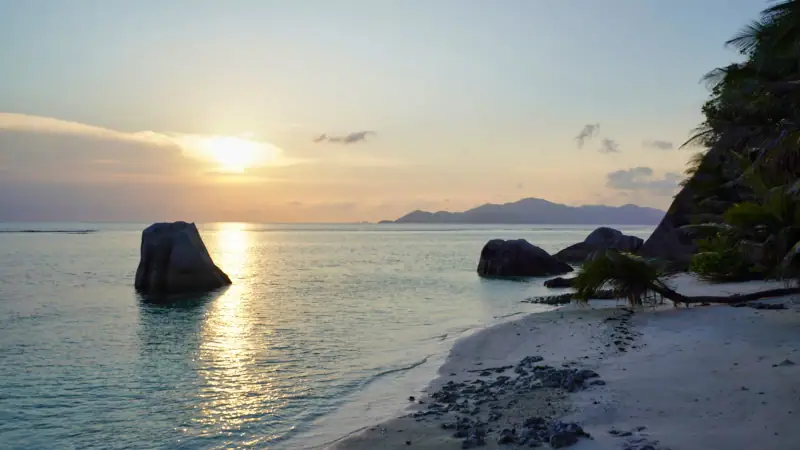
Before talking about accommodation areas, there is something essential to know: on La Digue there are almost no cars. The bike is king. Almost all accommodations offer bikes to rent there (a few euros a day), and most coastal roads are flat and perfectly suited to cycling.
That means even places 20 or 30 minutes by bike from the ferry or the beaches are not “badly located”. The ride itself is part of the experience.
The ferry arrives in the village of La Passe, on the west coast. The main tourist areas extend from there to the south (L’Union, Anse Réunion, Anse Source d’Argent) and to the north (Anse Sévère). The wilder southeast coast of the island, with its wind-lashed beaches (Grand Anse, Petite Anse), is about twenty to thirty minutes by bike from La Passe, depending on fitness.
Accommodation on La Digue
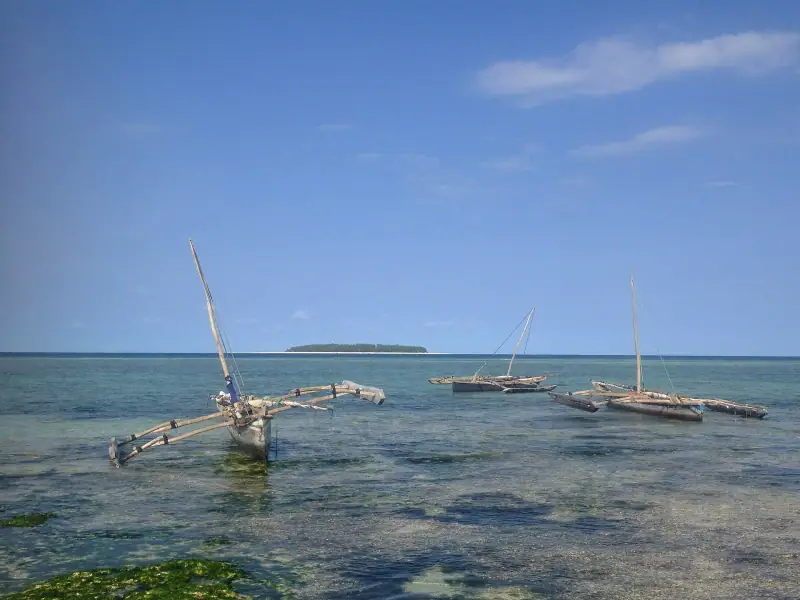
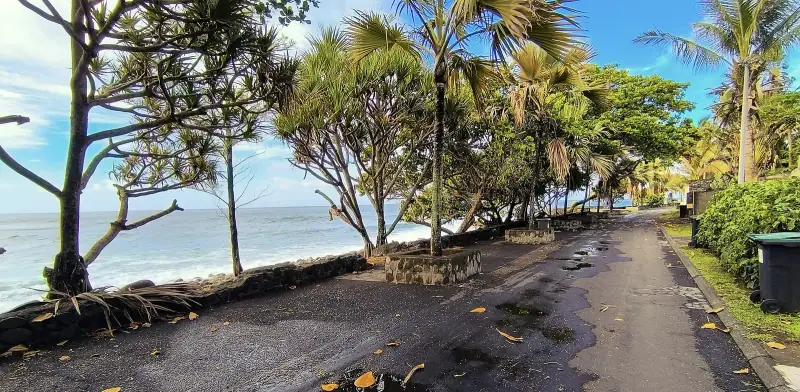
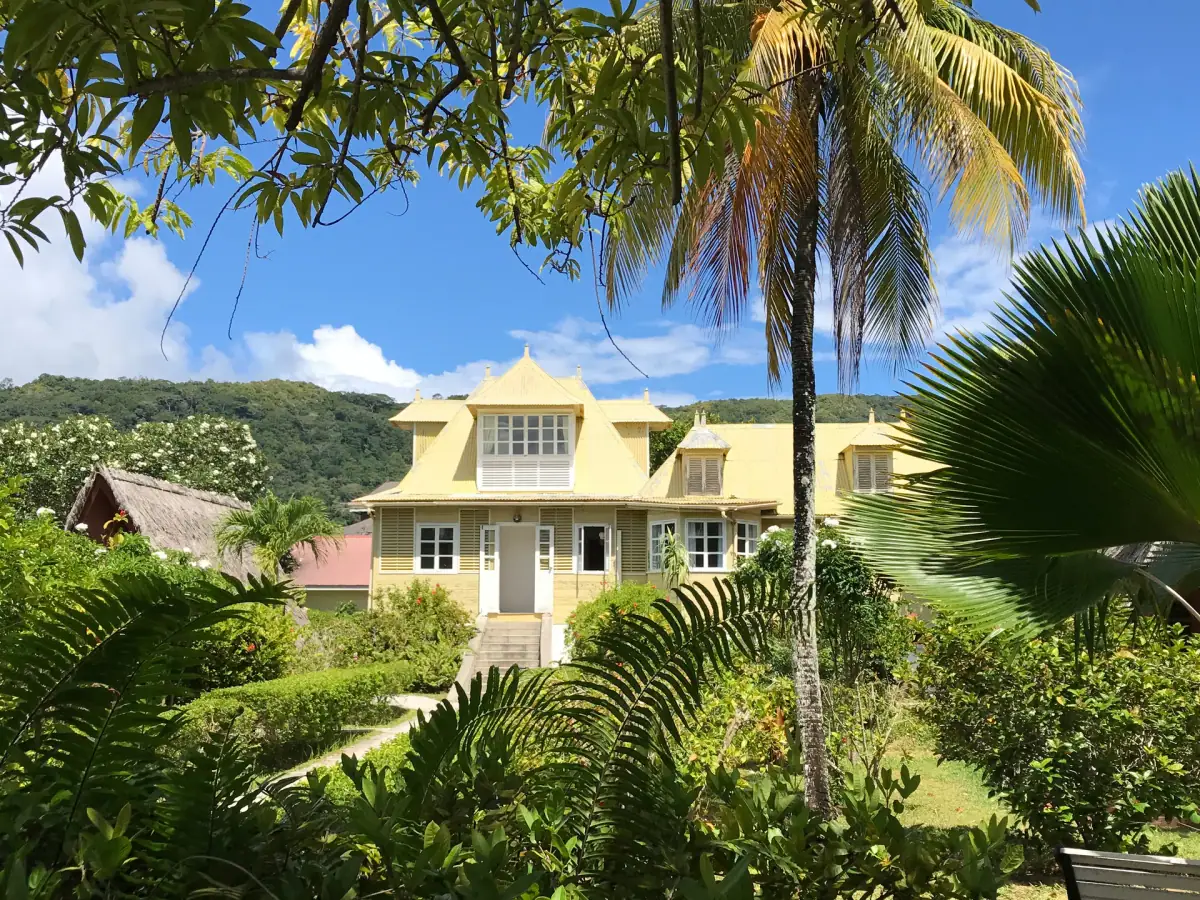
Guesthouses, hotels and villas on La Digue, Seychelles.
Accommodation areas on La Digue
La Passe and the central village: the most practical area
La Passe is the heart of La Digue. This is where the ferries from Praslin and Mahé arrive, and where you will find the small grocery stores, the bike rental agencies, the local restaurants and the island’s few banks and ATMs. It is also where the atmosphere is liveliest, especially in the late afternoon when the ferries dock.
Why choose La Passe:
- Very convenient ferry arrival and departure (drop your bags and you are on foot)
- All of the island’s services nearby
- Authentic Creole restaurants and small grocery stores
- Flat area, ideal for travelers who do not want to pedal much
- Often more reasonable prices
Who it suits: Travelers who want to feel the island’s local atmosphere, families with young children, people who do not want to depend on a bike for everything.
Distance to the beaches: Anse Source d’Argent is about 20-25 minutes by bike to the south. The north (Anse Sévère) is about 15 minutes away.
L’Union and Anse Réunion: steps from Anse Source d’Argent
This is probably the area travelers ask for most. The L’Union area stretches between La Passe and the entrance to the L’Union Estate, a few hundred meters on foot or two minutes by bike from the entrance to Anse Source d’Argent. The atmosphere is more residential and calmer than La Passe, but several family guesthouses and mid-range hotels have opened there.
Why choose L’Union / Anse Réunion:
- Direct access on foot or by bike to Anse Source d’Argent
- A calmer, more intimate atmosphere than La Passe
- A few restaurants and small snack bars nearby
- Close to Anse Réunion beach, often less crowded
Who it suits: Travelers who want easy access to Anse Source d’Argent early in the morning (before the day-trippers arrive) and a peaceful atmosphere.
Distance to the ferry: 15-20 minutes by bike to La Passe.
The north of the island: calm and snorkeling
The north of La Digue, around Anse Sévère and the northwest coast, is a green area with few tourists. Anse Sévère beach is known for its snorkeling from the shore, with good marine life just below the rocks.
Why choose the north:
- A truly authentic, unspoiled atmosphere
- Good snorkeling right from the beach
- Often more affordable accommodation
- Spectacular sunsets on the west coast
Who it suits: Divers and snorkelers, travelers looking to get away from the tourist circuits, tighter budgets.
Distance to the main beaches: 20-30 minutes by bike to Anse Source d’Argent, 30-40 minutes to Grand Anse.
Belle Vue and the interior: for views and solitude
A few places to stay are perched on the heights of Belle Vue, a hamlet partway up the island (the summit, Nid d’Aigle, tops out at 333 m / 1,093 ft). Access is on foot or by golf cart from La Passe. The views of the sea and the palm trees are magnificent, and the (relative) coolness of the altitude is pleasant.
Why choose Belle Vue:
- Panoramic views of the island and the sea
- An exceptional natural setting
- Very quiet, far from the tourist flow
- A few high-end lodges and guesthouses
Drawbacks:
- Uphill road when riding back by bike
- Farther from everything, a car or golf cart is needed
Crossing to La Digue
Book your Mahé-Praslin-La Digue ferry ahead.
Types of accommodation on La Digue
Budget (€80-150 / about $93-175 a night)
Family guesthouses are the backbone of La Digue’s budget offer. Run by Seychellois or expatriate families, they offer simple but clean rooms, often with breakfast included. The welcome is warm, and it is often where you eat the best Creole cooking on the island.
What you find in this range:
- Double room with a fan or air conditioning
- Homemade Seychellois breakfast (bread, local fruit, coconut jam)
- Tropical garden or shared terrace
- Bikes to rent there or included
- Half board often available on request
Tips: In small guesthouses, book directly by email to negotiate the best terms, especially for long stays. The low season (January-March and June-July outside peak weeks) offers good discounts.
Mid-range (€150-350 / about $175-405 a night)
The mid-range is well represented on La Digue, particularly in the L’Union area and around La Passe. You find independent chalets, villas with a shared pool, and small boutique hotels offering higher comfort while keeping an intimate atmosphere.
What you find in this range:
- Independent chalet or bungalow with a private terrace
- Shared pool often available
- Restaurant or kitchen service on request
- Carefully designed decor, often in natural materials (wood, local granite)
- Concierge service to arrange excursions and ferries
Tips: Favor places that include the bike in your stay: on La Digue it is your main means of transport, and it saves you a daily expense.
Luxury (€350+ / about $405+ a night)
La Digue’s high-end segment is dominated by a few internationally known properties. Six Senses Zil Pasyon, on the neighboring private island of Félicité (reached by boat from La Digue), is one of the best-known resorts in the Indian Ocean, but its rates match. On La Digue itself, several lodges and villas offer a luxurious experience in an unspoiled natural setting.
What you find in this range:
- Private villas with infinity pools
- Personalized service and a dedicated concierge
- Fine-dining restaurant
- Access to semi-private beaches
- Organized private excursions
Tips: In La Digue’s luxury segment, the exact location and the quality of the view or beach access vary enormously. Read recent reviews on Booking or TripAdvisor carefully before booking.
Activities on La Digue
Snorkeling, diving, excursions to Coco and Félicité islands...
Practical tips for choosing well
Book very early
La Digue is a small island with limited capacity. In high season (July-August and the end-of-year holidays), good places are full months ahead. Even in the shoulder season, it is advisable to book at least 6 to 8 weeks before you arrive.
Plan your ferries
Ferries from Praslin take about 15 minutes, and from Mahé about 1 h 30 to 1 h 45 in total (connection on Praslin included). Tickets are booked in advance, especially in high season. Check the schedules of Cat Cocos (Mahé-Praslin) and Cat Rose (Praslin-La Digue) when planning your transfers.
Look for included bikes
Some accommodations include bikes in the room rate, others charge extra (generally €10-15, about $12-17, per day). If you plan to get around a lot, choose a place that includes them: you will save over the length of your stay.
Avoid the trade-wind season for the east beaches
From June to early September, the southeast winds (the trade wind) make La Digue’s southeast coast (Grand Anse, Petite Anse, Anse Cocos) unsuitable for swimming: the sea is rough there and currents can be dangerous. The west coast (Anse Source d’Argent, Anse Sévère), on the other hand, stays perfectly calm. Take this into account when choosing your area by season.
Bring cash
Bank cards are accepted at most hotels, but many small guesthouses and local restaurants prefer cash. There are ATMs in La Passe, but they can run out. Always bring some Seychelles rupees or euros in cash.
To prepare your activities on the island, read our complete guide to visiting La Digue and our dedicated article on Anse Source d’Argent. To compare options between the main islands, see our guide to island hopping in the Seychelles.
Summary: which area to choose?
| Profile | Recommended area |
|---|---|
| Family with young children | La Passe |
| Romantic couple | L’Union / Anse Réunion |
| Snorkeling fans | North (Anse Sévère) |
| Tight budget | La Passe or the north |
| Luxury experience | Belle Vue or private villas |
| First stay in the Seychelles | La Passe (easy logistics) |
La Digue is small enough that you do not need to worry too much about location: with a decent working bike you can reach any corner of the island in under 40 minutes. Focus on the comfort of the room, the welcome and the quality of the breakfast. That is where the real difference is made.
Enjoy your stay on La Digue!
Frequently asked questions
What is the best area to stay on La Digue?
La Passe is the most practical area, with most of the services. To be close to Anse Source d'Argent, choose the L'Union / Anse Réunion area, 15 minutes by bike. The north of the island (Anse Sévère) offers calm and snorkeling. Everything is reachable by bike, so no area is really badly placed.
How do you get to La Digue from Mahé?
By ferry via Praslin: allow about 1 h 30 to 1 h 45 in total (about 1 h 15 to Praslin plus a connection of about 15 minutes to La Digue). Direct Mahé-La Digue ferries also exist but are less frequent. Book ahead in high season because crossings are often full.
Are there cars on La Digue?
No, La Digue is an island with almost no private cars. The main means of transport is the bike, rented there for a few euros a day. Only a few utility vehicles and hotel transfers by ox-cart or golf cart get around. That is a big part of the island's charm.
How much does a night on La Digue cost?
La Digue is one of the most expensive islands in the Seychelles. Allow at least €80-120 (about $93-140) a night for a modest family guesthouse, €160-320 (about $185-370) for comfortable mid-range lodging, and over €400 (about $465) for high-end places. High season (April-May and November) pushes prices up.
How long should you spend on La Digue?
Two to three nights are ideal to enjoy the island without rushing: one day for Anse Source d'Argent and the L'Union estate, another to explore Grand Anse, Petite Anse and Anse Cocos, and free time to wander by bike through the villages. Four nights allow a truly relaxed pace.
Do you need to book far in advance?
Yes, absolutely. La Digue is a small island with a limited number of places to stay. The best guesthouses and the high-end properties fill up several months ahead in high season (July-August, Christmas-New Year). Book as soon as your dates are fixed.
More Seychelles guides
Keep reading
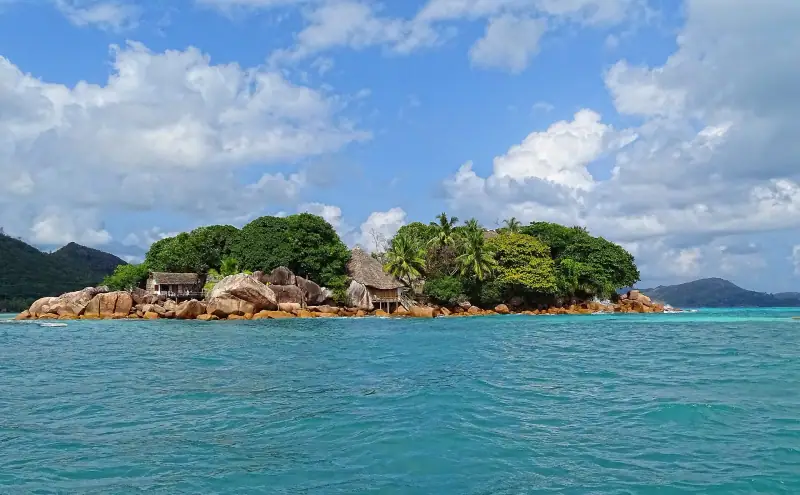
Where to stay in Anse Volbert (Côte d'Or), Praslin, without a car
Staying in Anse Volbert (Côte d'Or) on Praslin without a car: which part of the beach, hotel or guesthouse, bus, ferry and traps to avoid before you book.
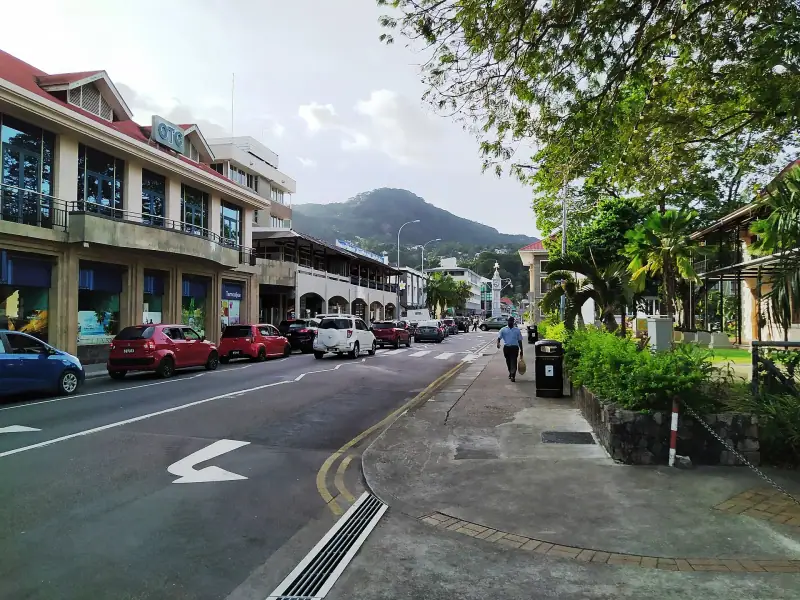
Where to stay in Victoria: the best areas and hotels in the capital
Where to stay in Victoria, Seychelles? Town center, Glacis, the northeast coast, the airport: a guide to the best areas and lodging for every budget.
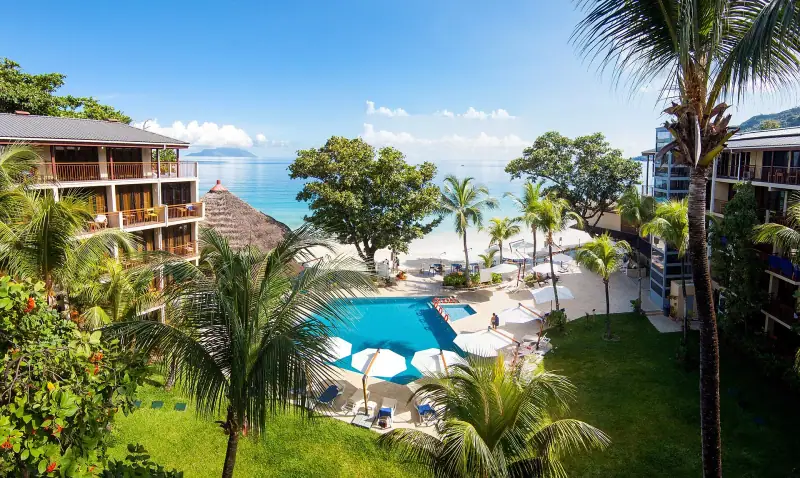
Where to stay on Mahé: the best areas and hotels
Where to stay on Mahé, Seychelles? Beau Vallon, Victoria, Anse Royale, Baie Lazare: advice by area and a selection of accommodation by budget.
Ready-made
Seychelles itineraries
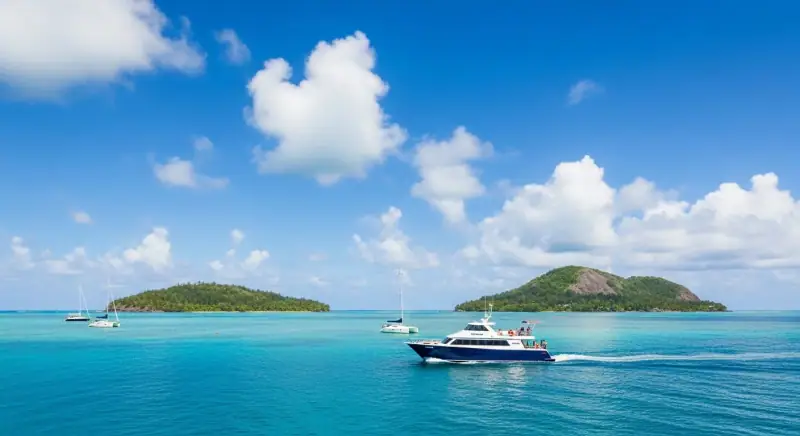
7 days
Island hopping in the Seychelles: a complete guide to visiting several islands
MahéPraslinLa Digue
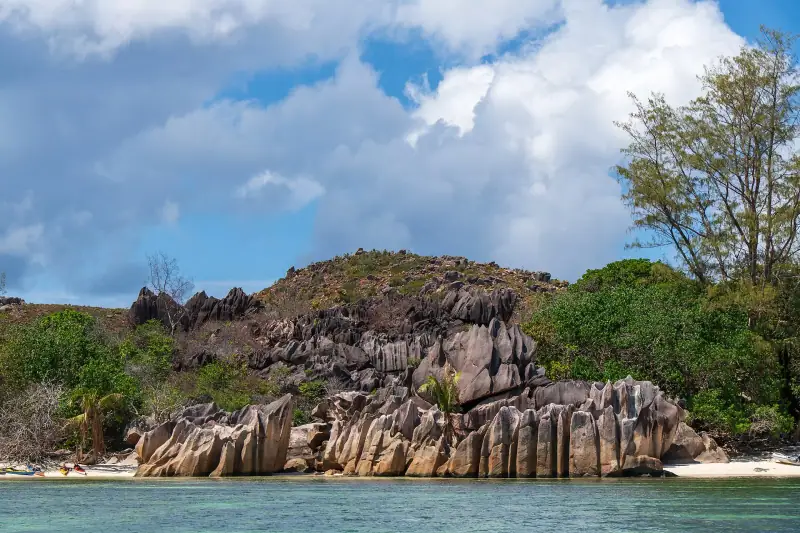
10 days
Seychelles in 10 days: a complete itinerary with Silhouette and Curieuse
MahéAnse VolbertLa Digue
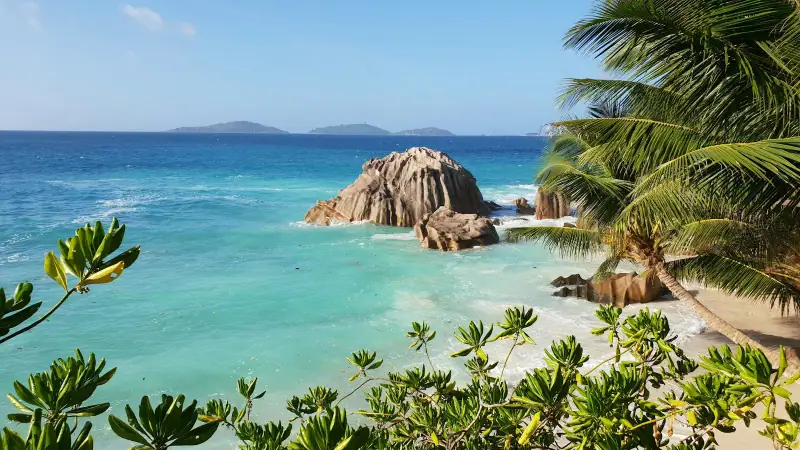
7 days
Seychelles in 7 days without a car: a realistic itinerary by bus, ferry and bike
Beau VallonAnse VolbertLa Digue