Things to do
Diving in the Seychelles: the best sites and practical tips
We may earn a commission when you book through links on this page, at no extra cost to you. We don't visit or try the places we cover: we summarize published sources. How we work
In short
- Water is 26-29 °C (79-84 °F) all year, visibility is usually 15-25 m (50-80 ft), and sites suit every level, from introductory dives to wrecks and current dives.
- Best visibility is in April-May and October-November (20-30 m / 65-100 ft); diving is possible all year.
- Indicative prices: guided dive €50-70 (about $58-81), 6-dive package €250-350 (about $290-405), introductory dive €80-100 (about $93-115).
- The main dive hubs are Beau Vallon (Mahé) and Côte d'Or (Praslin).
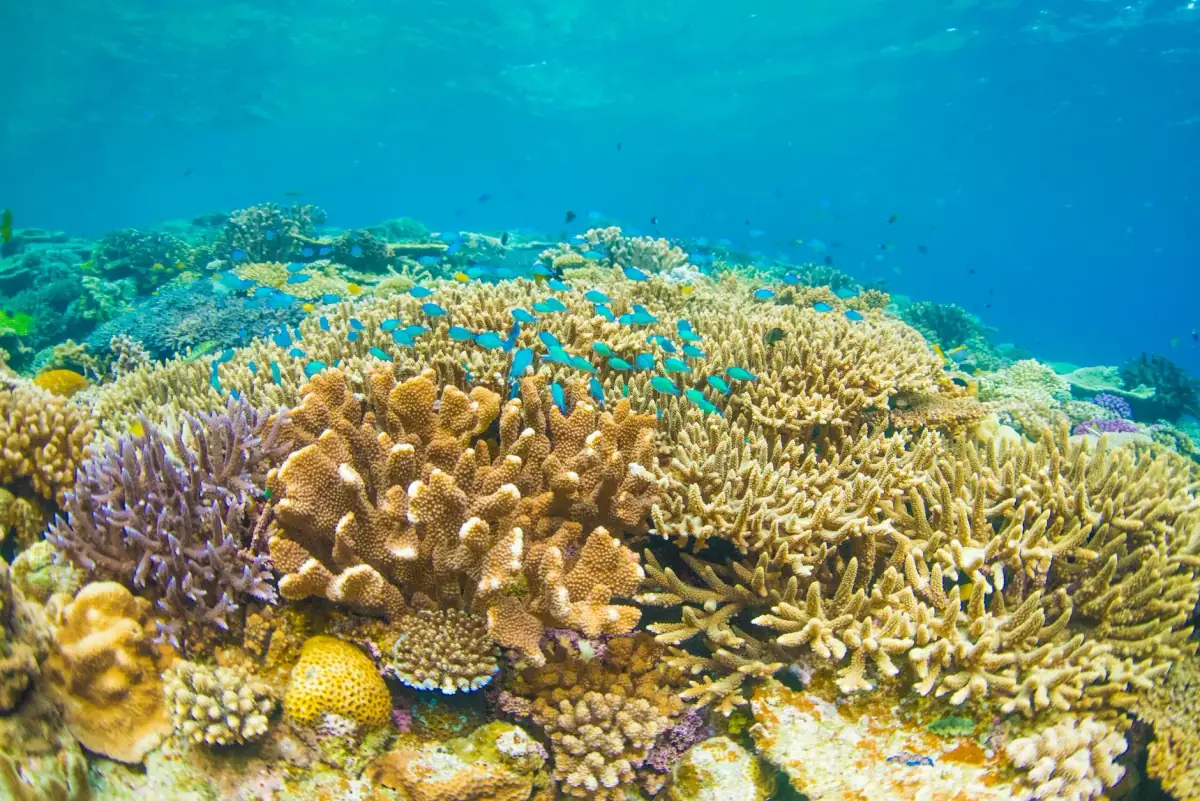
The Seychelles are one of the most fascinating diving destinations in the Indian Ocean. Between granite rocks plunging into the depths, lush coral reefs, wrecks teeming with marine life and crystal-clear water at 26-29 °C (79-84 °F), the archipelago offers exceptional diving conditions for every level.
Why dive in the Seychelles?
What sets the Seychelles apart for diving is the unique geology of the archipelago. Unlike most tropical dive destinations built on flat coral atolls, the granitic islands of the Seychelles create extraordinary underwater configurations: giant granite blocks tumbling down to 30-40 meters (100-130 ft) deep, caves and overhangs, and channels between rocks where currents create abundant marine life.
The assets of Seychelles diving:
- Water temperature: 26-29 °C (79-84 °F) all year; no full wetsuit needed
- Visibility: generally 15-25 meters (50-80 ft), sometimes up to 30 meters (100 ft)
- Diversity of ecosystems: granite, branching corals, massive corals, wrecks, mangroves
- Remarkable wildlife: leopard rays, whale sharks, nurse sharks, turtles, dolphins
- Currents: moderate to strong depending on the site, a source of abundant life
- Depths: from 5 to 40 meters (15-130 ft), suited to all levels
The best dive sites by island
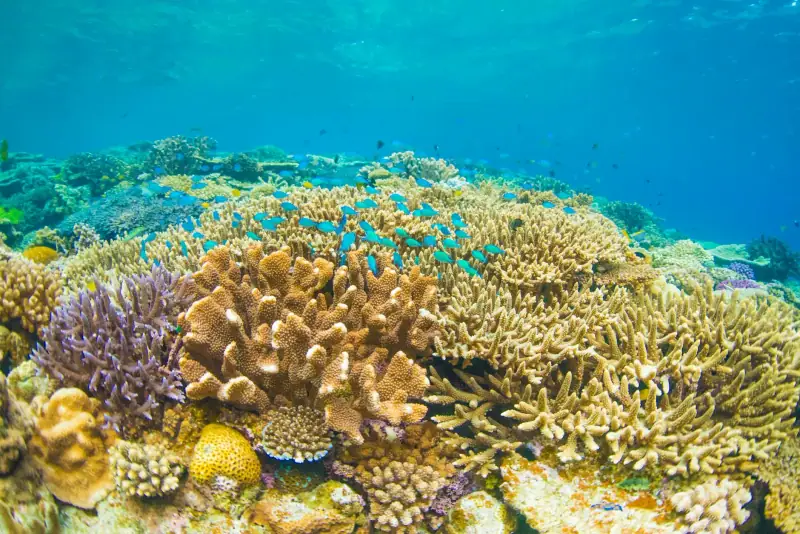
Dive sites on Mahé
Beau Vallon Bay: Beau Vallon bay has several sites accessible from the beach or by boat. The shallow reefs (5-15 m / 15-50 ft) are perfect for beginners and for divers who want to watch everyday reef life: butterflyfish, clownfish, moray eels, octopus and stingrays.
The Val Riche: An advanced site in the northeast of Mahé, with imposing granite formations descending to 30 meters (100 ft). The wildlife is exceptional: leopard rays, reef sharks, sea bream and giant groupers.
The Ennerdale wreck: The wreck of the British tanker Ennerdale, sunk in 1970 at 30 meters (100 ft) off Mahé, is one of the most popular dive sites in the Seychelles. Colonized by corals and home to dense wildlife, it is a site for experienced divers.
Twin Barges: Two barges deliberately sunk north of Mahé to create an artificial reef. Shallow sites (12-18 m / 40-60 ft) perfect for beginners. Corals in full development, colorful tropical fish, moray eels.
Dive sites on Praslin
Curieuse Island: The underwater tour of Curieuse offers spectacular granite formations, branching corals in excellent condition and abundant wildlife. Leopard rays are frequent here. Site reached from Anse Volbert.
Anse Lazio Rocks: The submerged granite rocks in front of Anse Lazio create a remarkable reef. Excellent visibility, colorful corals, frequent green turtles. Ideal for combining diving with an afternoon on one of the most beautiful beaches in the world.
Channel Rocks: An advanced site in the channel between Praslin and Mahé. Strong currents attract impressive pelagic wildlife: barracuda, yellowfin tuna, rays, sharks. Reserved for experienced divers.
Dive sites on La Digue
La Digue Pinnacles: A series of underwater granite pinnacles northeast of La Digue. The formations are covered in soft corals and shelter an incredible diversity of reef fish. Visibility is often excellent.
Marianne Island: Marianne Island, 10 km (6 mi) east of La Digue, is reached by boat for a half day of diving. Pristine reefs with exceptional wildlife, rarely visited. Reserved for organized dive centers.
Marine life in the Seychelles
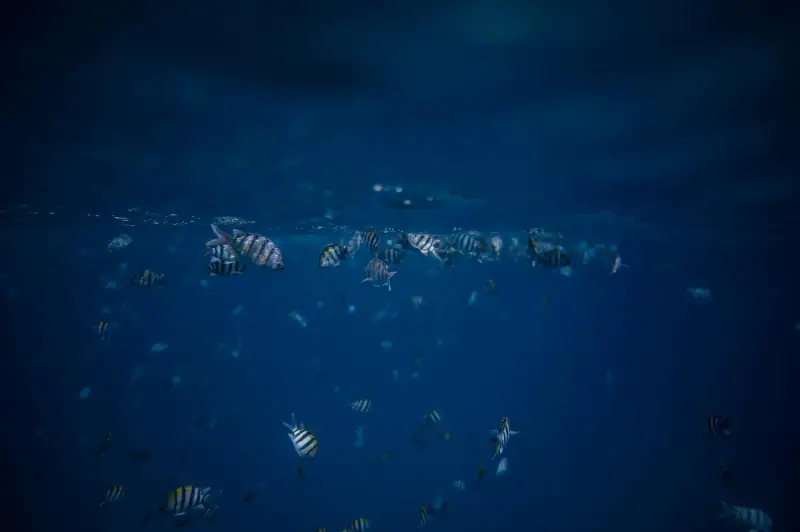
The richness of Seychelles marine life is one of the archipelago’s great surprises. Here are the species you are most likely to see underwater.
Sharks:
- Blacktip reef shark: very common on shallow reefs. Often visible from 2-3 meters (7-10 ft) deep. Harmless.
- Nurse shark: often rests on the sandy bottom, harmless unless disturbed. Spectacular for its size (up to 4 meters / 13 ft).
- Whale shark: an exceptional encounter is possible offshore, especially from September to November around Mahé (ask your dive center). The largest fish in the world is totally harmless.
Turtles: Green turtles (Chelonia mydas) and hawksbill turtles (Eretmochelys imbricata) are frequent on the reefs. Touching them is forbidden, but watching them swim is a magical moment.
Rays:
- Leopard ray (spotted eagle ray): recognizable by its white spots on a dark background, frequent over sandy bottoms
- Stingray: rests on the sandy bottom between coral formations
Reef fish: The immense diversity of tropical fish (butterflyfish, angelfish, triggerfish, clownfish, groupers, snappers) makes every dive different.
Prices and dive centers
Indicative rates
- Introductory dive (first experience, 5-8 m / 15-25 ft): €80-100 (about $93-115)
- Guided exploration dive (2 dives): €100-140 (about $115-162)
- 6-dive package: €250-350 (about $290-405)
- 10-dive package: €380-500 (about $440-580)
- PADI Open Water course (3-4 days): €450-600 (about $520-695)
These rates generally include equipment (wetsuit, mask, regulator, tank) and the guide.
Choosing a dive center
The Seychelles’ best dive centers are in Beau Vallon (Mahé) and on the Côte d’Or (Praslin). Check PADI or CMAS certifications, the condition of the equipment and recent reviews.
Tips:
- Book your first dive on arrival so as not to lose time
- Hotel dive centers are often pricier than independent ones
- A local guide knows the best sites depending on the day’s weather conditions
The best time to dive
Diving is possible all year in the Seychelles, but conditions vary.
April-May and October-November: Best visibility (20-30 m / 65-100 ft), calm sea, all sites accessible. This is the ideal period.
June-September (dry season): A good period for the sheltered sites in the west. Some east-side sites can be rougher.
December-March: Sea generally calm on the north coasts. Some deep-water upwelling is possible, with a slight reduction in visibility. Still a good period.
To plan your stay around diving, see our guide to the best time in the Seychelles. If you do not dive but want to see the seabed, our guide to snorkeling in the Seychelles will give you all the best spots at the surface.
Frequently asked questions
Are the Seychelles good for diving?
Yes, the Seychelles are an excellent diving destination. The diversity of sites (wrecks, granite reefs, coral drop-offs), the richness of marine life and good visibility make it a reference spot in the Indian Ocean.
What diving level do you need to dive in the Seychelles?
The Seychelles offer sites for all levels. Introductory dives are available for beginners (no experience required). For advanced sites (wrecks, currents, deep water), an Open Water level or equivalent is recommended.
How much does a dive cost in the Seychelles?
A guided exploration dive costs €50-70 (about $58-81) per person. A 6-dive package comes to €250-350 (about $290-405). An introductory dive (first experience) costs €80-100 (about $93-115). Equipment is generally included.
What is the best time to dive in the Seychelles?
The best underwater visibility is in April-May and October-November (shoulder seasons). In the dry season (June-October), sheltered sites on the west offer excellent diving. Avoid periods of swell on exposed coasts.
Can you see sharks diving in the Seychelles?
Yes, the Seychelles are home to several shark species: blacktip sharks, nurse sharks, reef sharks and sometimes whale sharks (offshore). These species are generally harmless and diving with them is a memorable experience.
More Seychelles guides
Keep reading
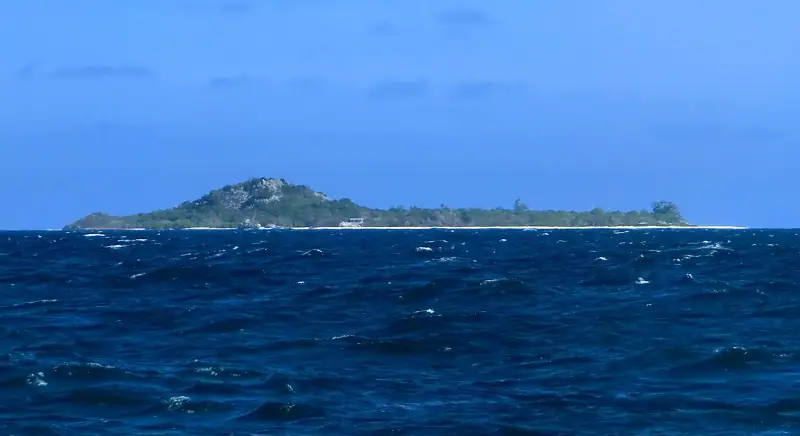
Visiting Cousin Island in the Seychelles: prices, hours and booking from Praslin
Cousin Island: open Monday to Friday, 600 SCR, 75-minute guided visit. How to book from Praslin, what to bring and what to see on the reserve.
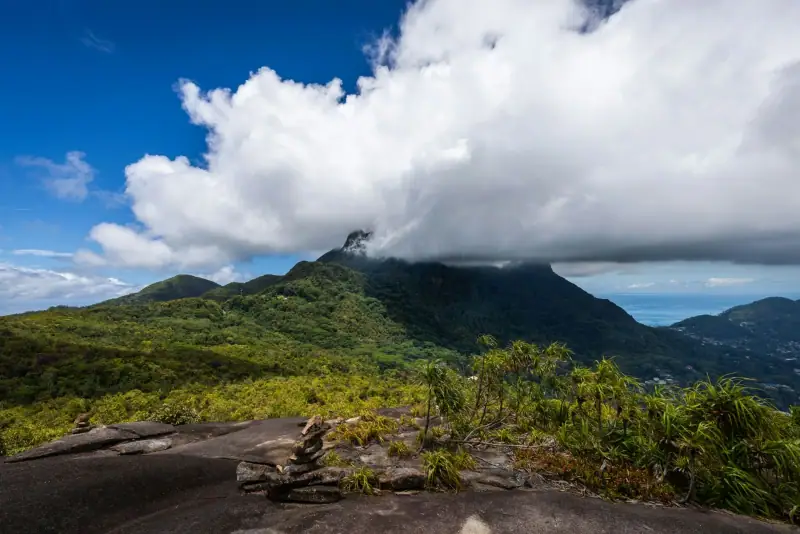
Hiking in the Seychelles: the best trails on Mahé, Praslin and La Digue
A guide to hiking in the Seychelles. Morne Seychellois trails, Vallée de Mai, La Digue: detailed routes, levels and practical tips.
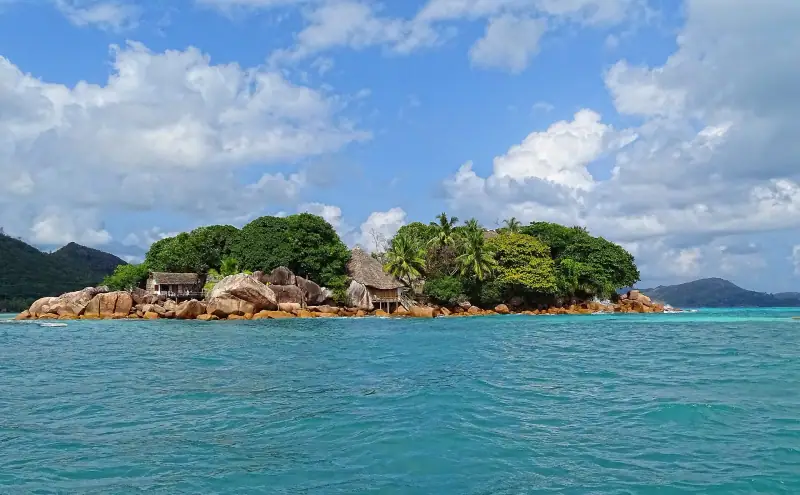
Where to stay in Anse Volbert (Côte d'Or), Praslin, without a car
Staying in Anse Volbert (Côte d'Or) on Praslin without a car: which part of the beach, hotel or guesthouse, bus, ferry and traps to avoid before you book.
Ready-made
Seychelles itineraries
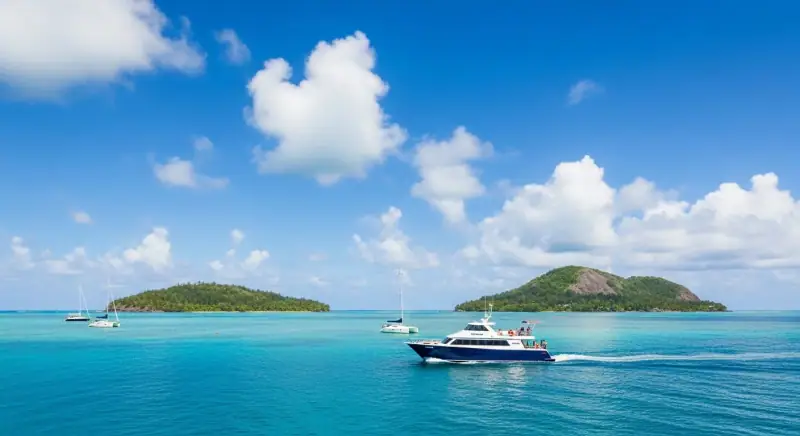
7 days
Island hopping in the Seychelles: a complete guide to visiting several islands
MahéPraslinLa Digue
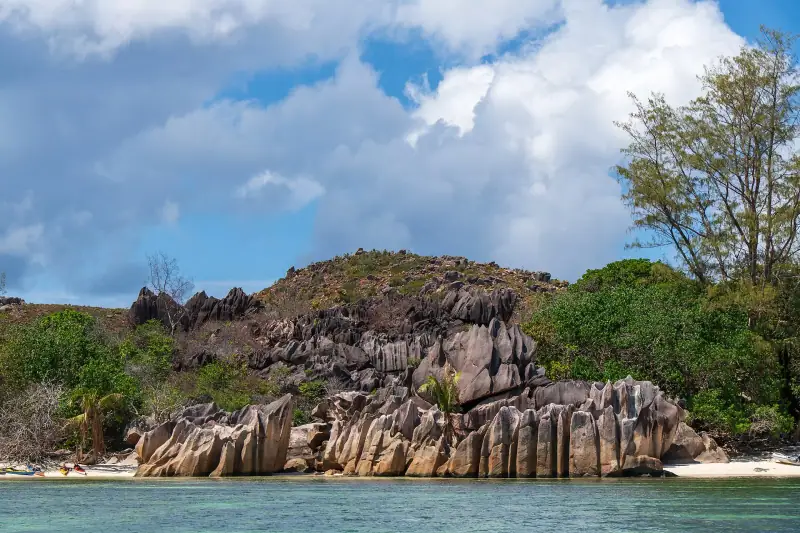
10 days
Seychelles in 10 days: a complete itinerary with Silhouette and Curieuse
MahéAnse VolbertLa Digue
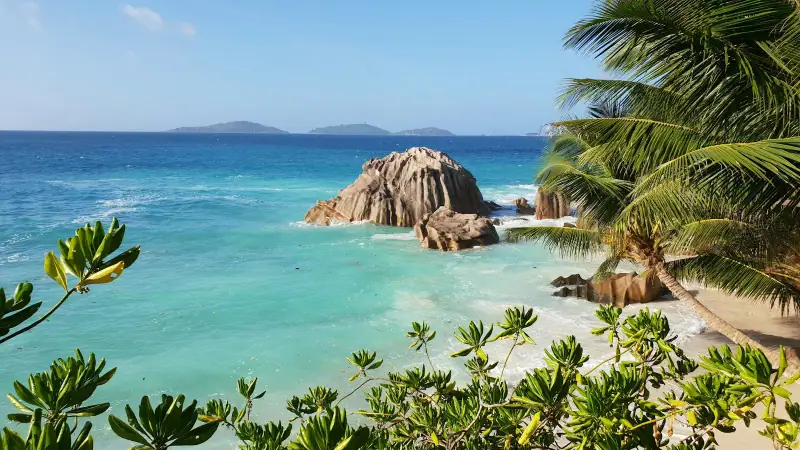
7 days
Seychelles in 7 days without a car: a realistic itinerary by bus, ferry and bike
Beau VallonAnse VolbertLa Digue