Plan your trip
Best time to visit the Seychelles: month by month
We may earn a commission when you book through links on this page, at no extra cost to you. We don't visit or try the places we cover: we summarize published sources. How we work
In short
- April-May and October-November are the best months: calm weather, calm seas, fewer tourists and better prices.
- There is no bad season: the sea stays at 26-29 °C (79-84 °F) all year and rain usually comes as short showers.
- December is the absolute high season, with prices two to three times higher in some places; July-August has strong trade winds on exposed coasts.
- The main islands (Mahé, Praslin, La Digue) lie outside the main cyclone belt; the risk is very low all year.
Unlike many tropical destinations, the Seychelles have no bad season in the strict sense. The sun is present all year, the sea is warm (26-29 °C / 79-84 °F) permanently, and rain, when it comes, is generally short showers followed by good weather. But not all periods are equal depending on the activities you plan.
The climate of the Seychelles
The Seychelles have two main seasons driven by the Indian Ocean monsoons. The archipelago’s equatorial position, however, guarantees warm temperatures all year.
Air temperatures: between 24 °C (75 °F) (July-August, at night) and 32 °C (90 °F) (December-March, afternoon) Water temperatures: from 26 °C (79 °F) in July-August to 29 °C (84 °F) in January-March Sunshine: 7 to 10 hours a day depending on the season Rainfall: 2,400 mm (94 in) a year on Mahé, less on Praslin and La Digue
Month by month: what can you expect?
January
January is the heart of the wet season. Temperatures are at their peak (30-32 °C / 86-90 °F), the sea is calm on the north coasts and the vegetation is lush. Tropical showers are frequent but rarely long. It is still the post-Christmas high season, and prices start to drop after January 10. Ideal for snorkeling and diving on Mahé.
February
February is very much like January. Hot, humid weather, frequent but short showers. It is the big-game fishing season (marlin, yellowfin tuna). Prices are average, and crowds begin to thin. A good period for couples wanting to avoid the high seasons.
March
The weather starts to stabilize. Rain becomes less frequent, and the sea is still warm and calm. March is one of the good months to visit the Seychelles: pleasant without being too crowded or too expensive.
April (recommended)
April marks the start of the first shoulder season. The weather becomes remarkably stable, with sunny days, cool nights and a calm sea on both sides of the islands. It is one of the best periods for snorkeling and diving. Rates start to drop after the Easter holidays.
May (recommended)
May is often considered the best month to visit the Seychelles. The southeast trade wind starts to blow gently, cooling the air without making the sea rough. Beaches are less crowded, prices are reasonable, and underwater visibility is excellent. Anse Lazio is at its best.
June
The trade wind strengthens in June. Some beaches exposed to the southeast (Anse Lazio on Praslin in particular) can become rough. Sheltered coasts, on the other hand, are perfect. It is the high season for surfing on exposed beaches. A good period for hiking in the Morne Seychellois.
July (good for hiking)
July is the coolest month of the year (24-27 °C / 75-81 °F). The trade wind blows hard, and the sea can be rough on the east and south coasts. But Mahé’s west coasts, Beau Vallon beach and the Baie Lazare coast are sheltered. It is an excellent period for hikes in the nature reserves.
August
Similar to July, with a sometimes strong trade wind. Rain is very rare in August (it is the driest month of the year). Underwater visibility is excellent on the sheltered coasts. Accommodation is sometimes cheaper than in high season, except during school vacations.
September
The trade wind starts to weaken in September. The sea gradually calms, especially on the east coasts. It is the start of the best period for divers wanting to visit the east side of Praslin and the sites around La Digue.
October (recommended)
October opens the second shoulder season. The weather is magnificent, the sea calm on both sides, and temperatures gradually rise (27-29 °C / 81-84 °F). Beaches are little visited and prices are attractive. Ideal for island hopping and all water activities.
November (recommended)
November is the other excellent month of the year. Before the rush of the year-end holidays, you enjoy stable weather, a superb sea and still-affordable prices. Guesthouse owners are often more available and welcoming in the off-season.
December
December sees prices soar as Christmas approaches. It is the absolute high season in the Seychelles, with full accommodation and prices doubled or tripled in some places. The weather is hot (29-32 °C / 84-90 °F), rains return, but the year-end holidays have a magical atmosphere in this dream setting.
Which period for your activities?
For diving and snorkeling
Diving and snorkeling are possible all year in the Seychelles, but conditions vary with the season and the orientation of the sites.
- April-May and October-November: maximum visibility (20-30 m / 65-100 ft), calm sea everywhere, ideal for beginners
- June-August: best visibility on the sheltered sites in the west, tougher conditions in the east
- December-March: good visibility but some deep-water upwelling possible
For hiking
The dry season (May to October) is ideal for hiking in the national parks. Trails are less slippery, forests less overgrown, and the clear views of the ocean are spectacular.
For families with children
The best periods for families are April-May and the July-August school vacations, when the sea is usable on both sides and family accommodation is available.
For honeymoons
Couples want romance above all. April-May and October-November offer the best setting: not too many people, excellent weather, and breathtaking sunsets.
Hotels in the Seychelles
Book your accommodation at the best price.
The sea and the winds: understanding the seasons
The behavior of the sea in the Seychelles is dictated by two monsoons:
Northwest monsoon (November to March): The wind blows from the northwest, making the north and west coasts rough. The south and east coasts are sheltered. The sea in the channel between Mahé and Praslin can be difficult.
Southeast trade wind (May to October): The wind blows from the southeast, protecting the north and west coasts. Anse Lazio (north coast of Praslin) can be rough, but Anse Volbert stays calm. Underwater visibility is generally excellent.
Shoulder seasons (April and November): Winds are light and the sea is calm everywhere. This is the ideal period for sailors and divers wanting access to all sites.
Our final recommendation
If you have only one window to travel to the Seychelles, choose May or October. These are the two months that combine all the advantages: stable weather, calm sea, good underwater conditions, few people and reasonable prices. They come before the two big tourist seasons (summer and Christmas), offering excellent value.
If you travel as a family or with children, July is a good option despite the trade wind, since sheltered coasts remain superb and family accommodation is available at decent prices outside school vacation periods.
To prepare your budget according to the season, see our Seychelles budget guide. And to build your itinerary, our complete guide will give you all the basics.
Sources
Frequently asked questions
What is the best month to go to the Seychelles?
April-May and October-November are the best periods, with calm weather, a calm sea and fewer tourists. These shoulder seasons offer the best value and optimal conditions for all activities.
Is it hot in the Seychelles in December?
Yes, December is hot (28-32 °C / 82-90 °F) but it is also a period of brief rains. It is the high tourist season with Christmas and New Year, and prices are the highest of the year. In December, the northwest monsoon can stir up the north and west coasts; the south and east coasts are generally more sheltered.
Can you go to the Seychelles in July-August?
July-August is the austral dry season dominated by the southeast trade wind. Some exposed coasts can be rough, but sheltered coasts stay beautiful. It is a good period for hiking.
Are there cyclones in the Seychelles?
The main islands (Mahé, Praslin, La Digue) lie outside the main cyclone belt: cyclones there are extremely rare, unlike Réunion or Mauritius. The outer islands farther south can be hit (Cyclone Fantala on Farquhar atoll in 2016). For the main islands, the risk is very low all year.
When is the sea calmest in the Seychelles?
The sea is calmest during the shoulder seasons (April-May and October-November) and, during the wet season (November to March, northwest monsoon), on the south and east coasts of the islands, which are more sheltered. During the dry season (southeast trade wind), the east and south coasts are rougher but the north and west coasts stay calm.
More Seychelles guides
Keep reading
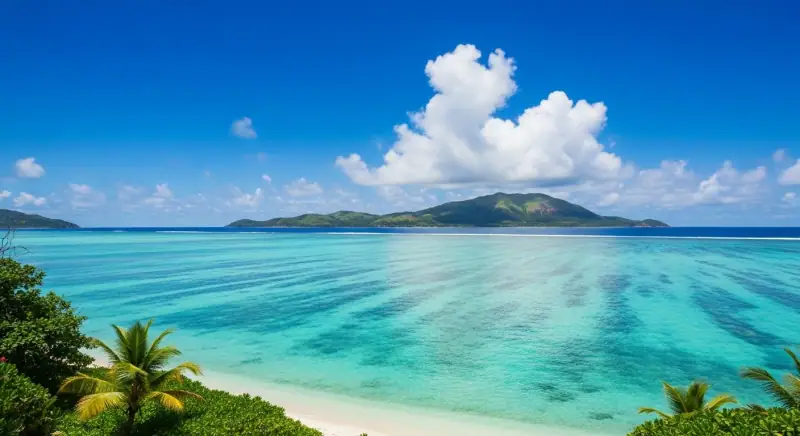
Seychelles budget 2026: how much does a trip cost?
How much does a trip to the Seychelles cost? Accommodation, flights, meals, activities: our complete budget guide for every level of traveler.
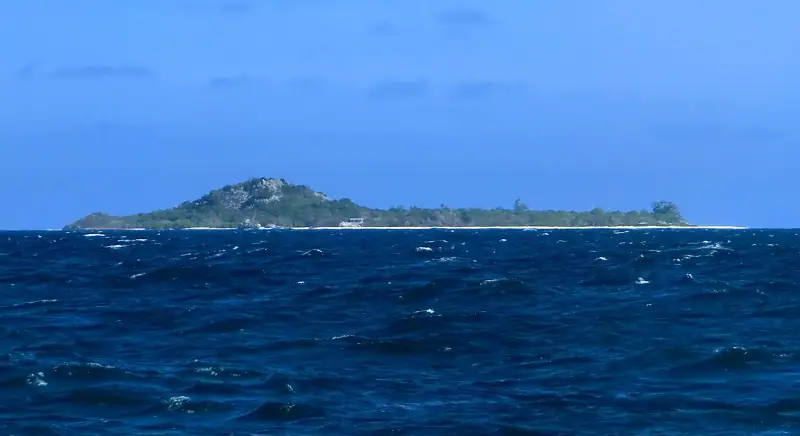
Visiting Cousin Island in the Seychelles: prices, hours and booking from Praslin
Cousin Island: open Monday to Friday, 600 SCR, 75-minute guided visit. How to book from Praslin, what to bring and what to see on the reserve.
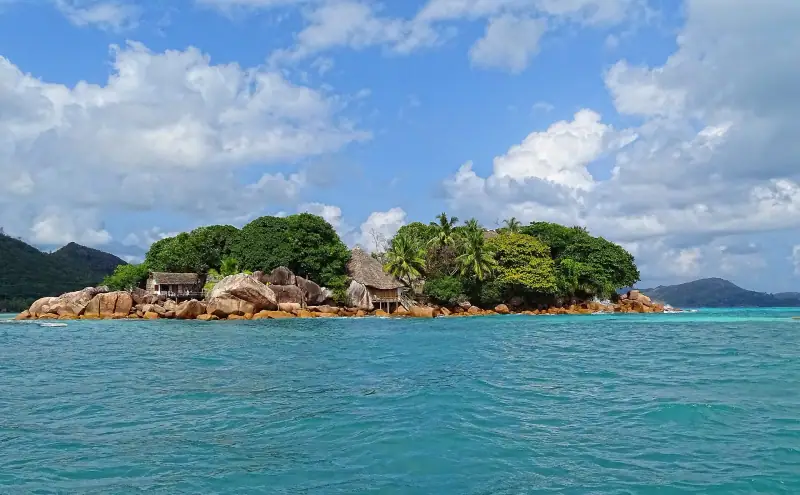
Where to stay in Anse Volbert (Côte d'Or), Praslin, without a car
Staying in Anse Volbert (Côte d'Or) on Praslin without a car: which part of the beach, hotel or guesthouse, bus, ferry and traps to avoid before you book.
Ready-made
Seychelles itineraries
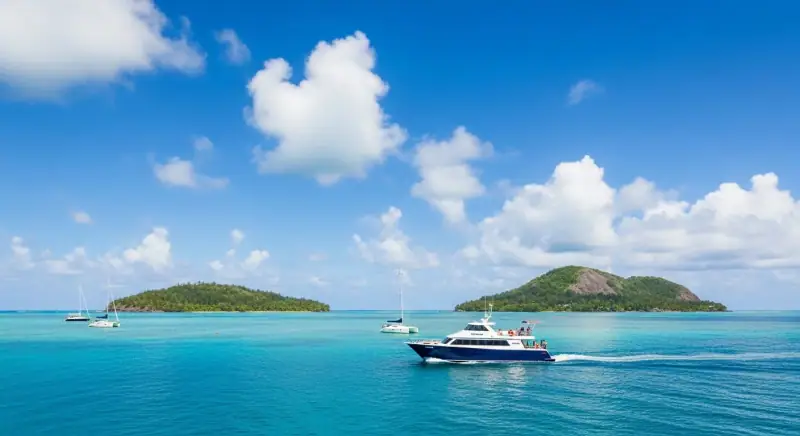
7 days
Island hopping in the Seychelles: a complete guide to visiting several islands
MahéPraslinLa Digue
10 days
Seychelles in 10 days: a complete itinerary with Silhouette and Curieuse
MahéAnse VolbertLa Digue
7 days
Seychelles in 7 days without a car: a realistic itinerary by bus, ferry and bike
Beau VallonAnse VolbertLa Digue