Things to do
Hiking in Borneo: the best jungle and mountain treks
We may earn a commission when you book through links on this page, at no extra cost to you. We don't visit or try the places we cover: we summarize published sources. How we work
In short
- Mount Kinabalu (4,095 m / 13,435 ft) is a 2-day, 1-night climb with a mandatory guide; permits are capped at about 160 a day, so book months ahead.
- Gunung Mulu (Sarawak, UNESCO-listed) offers the Deer Cave bat exodus at sunset, free to watch; Danum Valley (Sabah) is the best place for wild orangutans and pygmy elephants.
- Bako National Park, near Kuching (45 min by bus + 20 min by boat), is the easiest park; proboscis monkeys are almost guaranteed.
- The best period is March to October; November to February can be very rainy and trails slippery.
Borneo is one of the most extraordinary hiking destinations in the world. From the rocky summits of Kinabalu to the prehistoric caves of Niah, by way of the primary forests of Danum Valley and the limestone labyrinths of Mulu, the island offers treks for every level. Here is the complete guide to the best hikes.
Mount Kinabalu: the roof of Southeast Asia (Sabah)
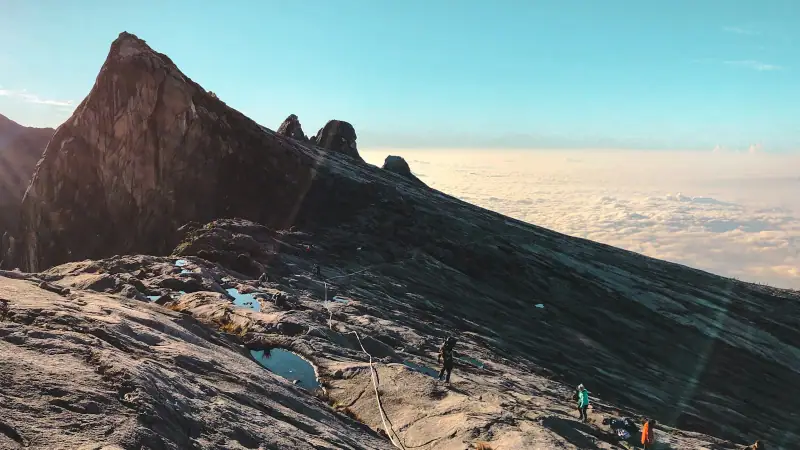
Level: Intermediate to hard (significant elevation gain, altitude) Duration: 2 days / 1 night Altitude: 4,095 m / 13,435 ft (Low’s Peak) Location: Kinabalu National Park, Sabah
Mount Kinabalu is the highest peak in Southeast Asia and one of the region’s most popular treks. The two-day climb is well organized and accessible to hikers without high-mountain experience, provided they are in good physical shape.
Standard program
Day 1: Start from the Timpohon gate (1,866 m / 6,122 ft), climb for 6-8 hours to the Laban Rata hut (3,272 m / 10,735 ft). The trail crosses several vegetation zones: rainforest, montane forest, high-altitude scrub, bare rock zone. Night at the hut.
Day 2: Leave at 2 am to reach the Low’s Peak summit (4,095 m / 13,435 ft) at sunrise. The final walk on smooth granite (with fixed ropes) is the trickiest part. Sunrise above the clouds, a view over Borneo. Descent to the Timpohon gate in 4-5 hours.
Logistics
- Booking: Mandatory well in advance (online system via Sabah Parks). Permits are limited to about 160 people a day (163 since 2023 according to operators; Sabah Parks may change this quota, check with Sabah Parks).
- Guide: Mandatory, included in the fees
- Porter: Optional but recommended to lighten your pack (about €20-30 / $23-35 for 10 kg)
- Laban Rata accommodation: booking included in the package. Basic but warm dorms (after a grueling climb, any bed is welcome)
- Equipment: Waterproof hiking boots, warm clothing (it is 5-10 °C / 41-50 °F at the summit at night), headlamp, rain jacket
Gunung Mulu National Park (Sarawak): caves and jungle
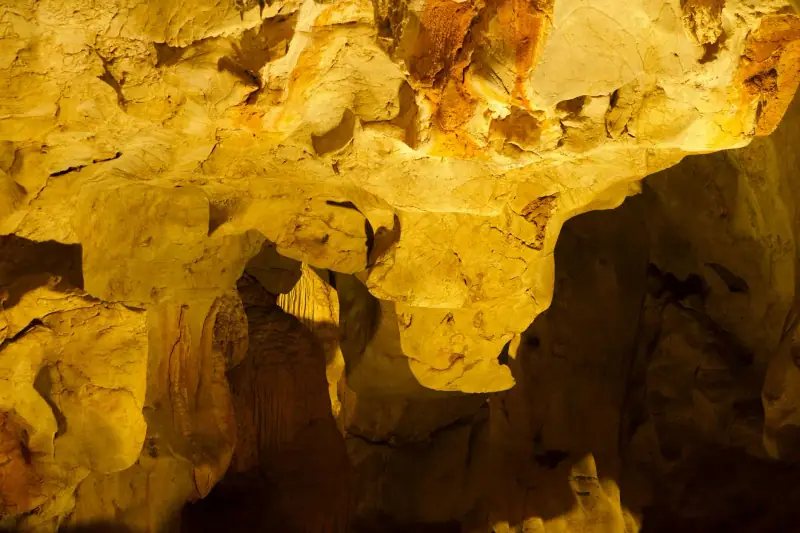
Level: Easy to demanding depending on the treks Duration: 1 to 5 days depending on exploration UNESCO: World Heritage listed
Gunung Mulu National Park is one of Sarawak’s highlights. UNESCO-listed for its extraordinary karst formations, it is home to some of the largest caves on the planet (the Sarawak Chamber is the largest underground chamber in the world, with a volume of 600 million cubic meters).
Main attractions
The caves: The cave circuit includes the Deer Cave (with the largest cave opening in the world), Lang Cave, Wind Cave and Clearwater Cave. The flagship daily attraction: the bat exodus at sunset, with millions of bats emerging from the Deer Cave in spiraling columns for 20-30 minutes. A staggering and free sight.
Headhunters Trail: A 3-day trek in the footsteps of the ancient Iban warriors, from Mulu to Limbang. Passage through primary forest with an Iban guide, a night in a shelter, a river boat crossing.
Wildlife: The park is home to 262 bird species, 75 mammal species and 110 reptile species. Seeing wild orangutans, proboscis monkeys, lar gibbons and flying lizards is possible at dawn on forest trails.
Gunung Mulu (2,376 m / 7,795 ft): Climbing Mount Mulu itself is a demanding 4-day round trip trek. Reserved for hikers in excellent shape, with a mandatory guide and porters.
Getting there: Regional flights (AirBorneo, formerly MASwings, Firefly or Malaysia Airlines depending on the period) link Kuching or Miri to Mulu Airport; check the airlines and schedules before booking. Otherwise, a boat from Miri (6-8 h).
Danum Valley (Sabah): the ultimate primary forest
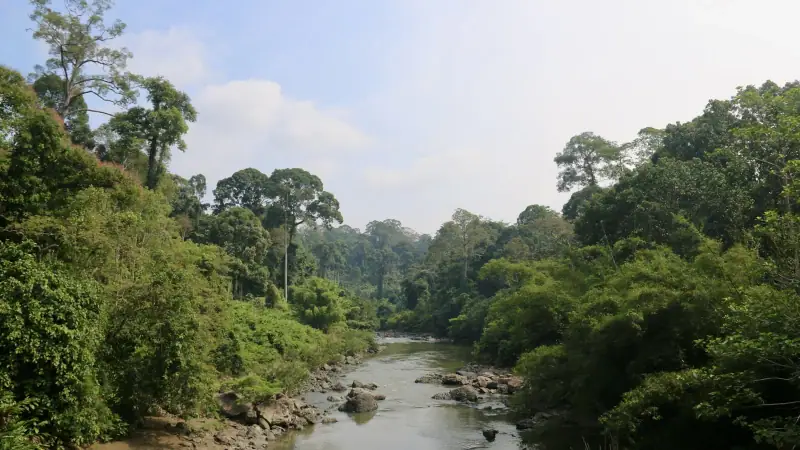
Level: Easy to intermediate Duration: 2 to 5 days recommended
Danum Valley is one of the last large areas of primary rainforest in Borneo. Unlike commercial zones, Danum Valley is accessible only through two licensed lodges (Borneo Rainforest Lodge and Danum Valley Field Centre). Access is controlled to preserve this exceptional ecosystem.
What you will see in Danum Valley (with a good guide):
- Wild orangutans (a much better chance than in a sanctuary)
- Bornean pygmy elephants (an endemic species)
- Proboscis monkeys (long-nosed monkeys)
- Gibbons, macaques, sun bears
- Hundreds of bird species (hornbills, rollers)
Night walks reveal fascinating nocturnal wildlife: civets, tarsiers, reticulated pythons, frogs.
Cost: Borneo Rainforest Lodge: 2026 agency packages show about €1,600 (about $1,855) per person for 3 days/2 nights full board (nearly €800 / $930 a night, activities included); check rates with the lodge. Expensive but unforgettable.
Bako National Park (Sarawak): easy to reach from Kuching
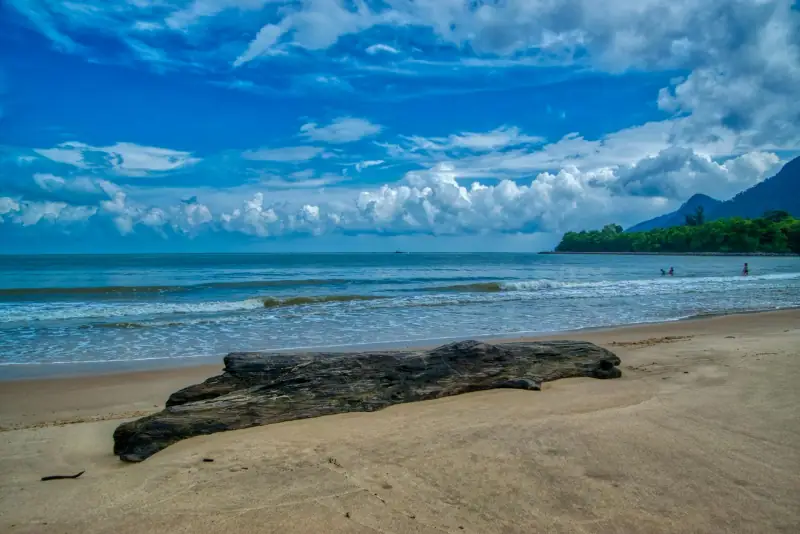
Level: Easy to intermediate Duration: 1 to 3 days
Bako is Sarawak’s oldest national park, easily reached from Kuching (45 min by bus + 20 min by boat). Despite its small size, Bako packs 7 different types of vegetation and exceptional wildlife.
Proboscis monkeys (long-nosed monkeys endemic to Borneo) are practically guaranteed. Silvery leaf monkeys swing between the trees at the forest edge. Reptiles are everywhere: water monitors up to 2 meters (6.5 ft), tree snakes.
Bako’s beaches are wild and often deserted, with spectacular sandstone formations.
Essential gear for Borneo treks
- Waterproof hiking boots (trails are often muddy)
- Trekking poles (essential for Kinabalu)
- Insect repellent, DEET 30-50% (use it daily)
- Light, quick-dry clothing (you sweat constantly)
- Light rain jacket (showers are frequent)
- Filter bottle (for multi-day treks)
- Headlamp (for Kinabalu’s night starts and night walks)
See our guide to orangutans in Borneo to round out your Bornean nature trip.
Frequently asked questions
What physical level do you need to climb Mount Kinabalu?
Kinabalu is demanding but accessible to any hiker in good physical shape. The climb (8.7 km / 5.4 mi, 2,200 m / 7,218 ft of elevation gain) takes 5-7 hours. Altitude (4,095 m / 13,435 ft) is the main challenge. Certified guides are mandatory and help with acclimatization. No mountaineering experience is needed.
How much does it cost to climb Mount Kinabalu?
The total cost for the 2-day/1-night climb (standard package) is about €400 to €900 (about $465-1,045) per person depending on whether you book directly with licensed providers or through an agency (agency packages run around €760-950, about $880-1,100, in 2026), including: park entry fees, mandatory guide, optional porter, hut accommodation (Laban Rata or Panar Laban). Book 3-6 months ahead, as places go fast.
Are jungle hikes in Borneo dangerous?
The Bornean jungle is not particularly dangerous for hikers accompanied by a guide. Large predators (reticulated pythons, saltwater crocodiles) exist but incidents with tourists are extremely rare. The real risks are falls, dehydration and insect bites. Never hike alone without a guide in the primary forest.
Can you trek in the Borneo jungle without a guide?
In most national parks, a guide is mandatory for trails in primary forest. This is for your safety (it is very easy to get lost in dense tropical forest) and for wildlife protection. In the outer zones of some parks, marked trails allow limited independent exploration.
What is the best time to hike in Borneo?
The best period is March to October, during the relatively dry season. November to February can be very rainy, making trails slippery and dangerous. Mount Kinabalu can be closed during storms (notably in January-February).
More Malaysia guides
Keep reading
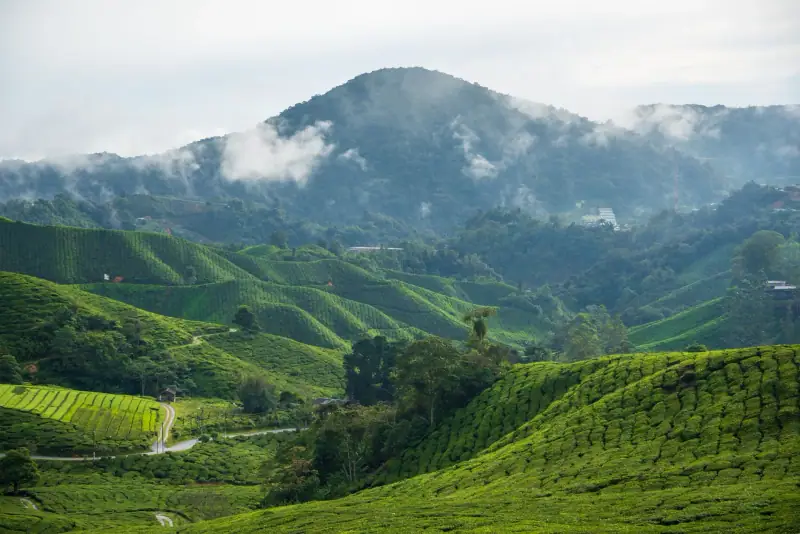
Cameron Highlands: tea plantations, hikes and strawberries (complete guide)
Everything to do in the Cameron Highlands: BOH Tea, Mossy Forest, hikes, strawberry farms. Practical guide to enjoy the fresh air and green landscapes.
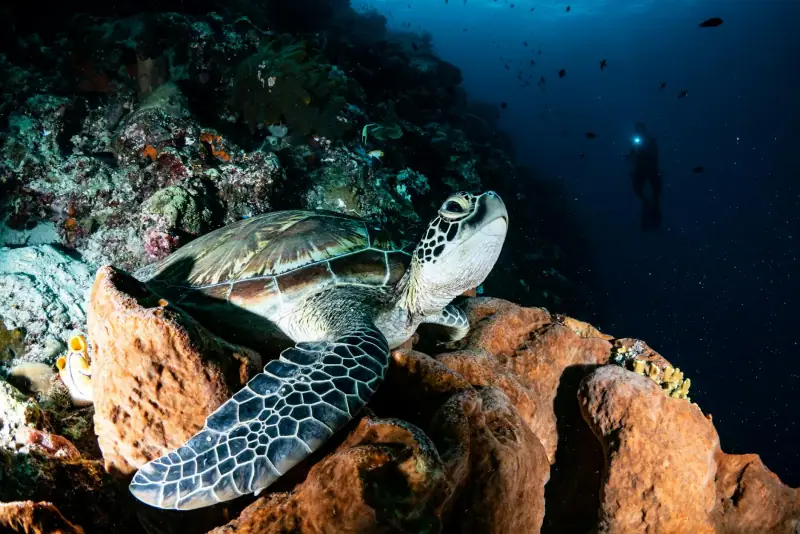
Diving in Malaysia: the best scuba dive spots
The best dive spots in Malaysia: Sipadan, Perhentian, Tioman, Redang. Complete guide for divers, required levels and best seasons.
Malaysia travel budget: how much does a trip cost in 2026?
How much to budget for Malaysia? Accommodation, meals, transport and activities: every expense detailed to prepare your trip.
Ready-made
Malaysia itineraries
14 days
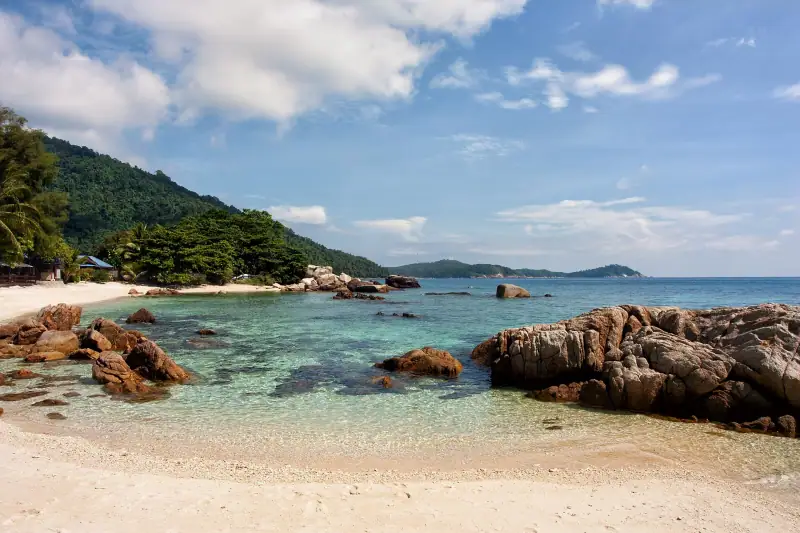
Malaysia's East Coast: Perhentian, Tioman, Redang and the eastern peninsula
Complete guide to Peninsular Malaysia's east coast: Perhentian, Redang, Tioman, Kota Bharu and Taman Negara. Diving, beaches and jungle. 10 to 14 days.
10 days
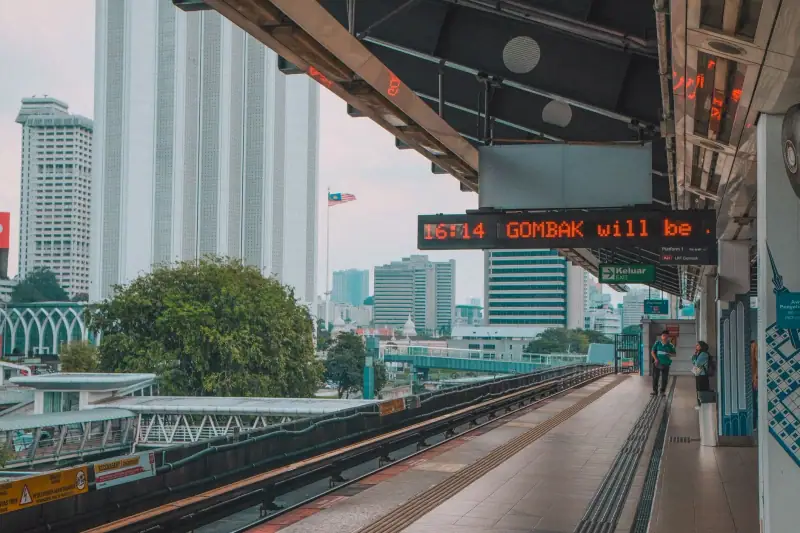
Malaysia in 10 days without a car: a train, bus and ferry itinerary
Kuala LumpurTanah Rata, Cameron HighlandsIpohGeorge Town, PenangLangkawi
14 days
Malaysia road trip: a complete 2 to 3 week itinerary
Malaysia road trip in 2 to 3 weeks: detailed route from KL to Penang, Langkawi, the Cameron Highlands, Malacca and Borneo, with transport and tips.